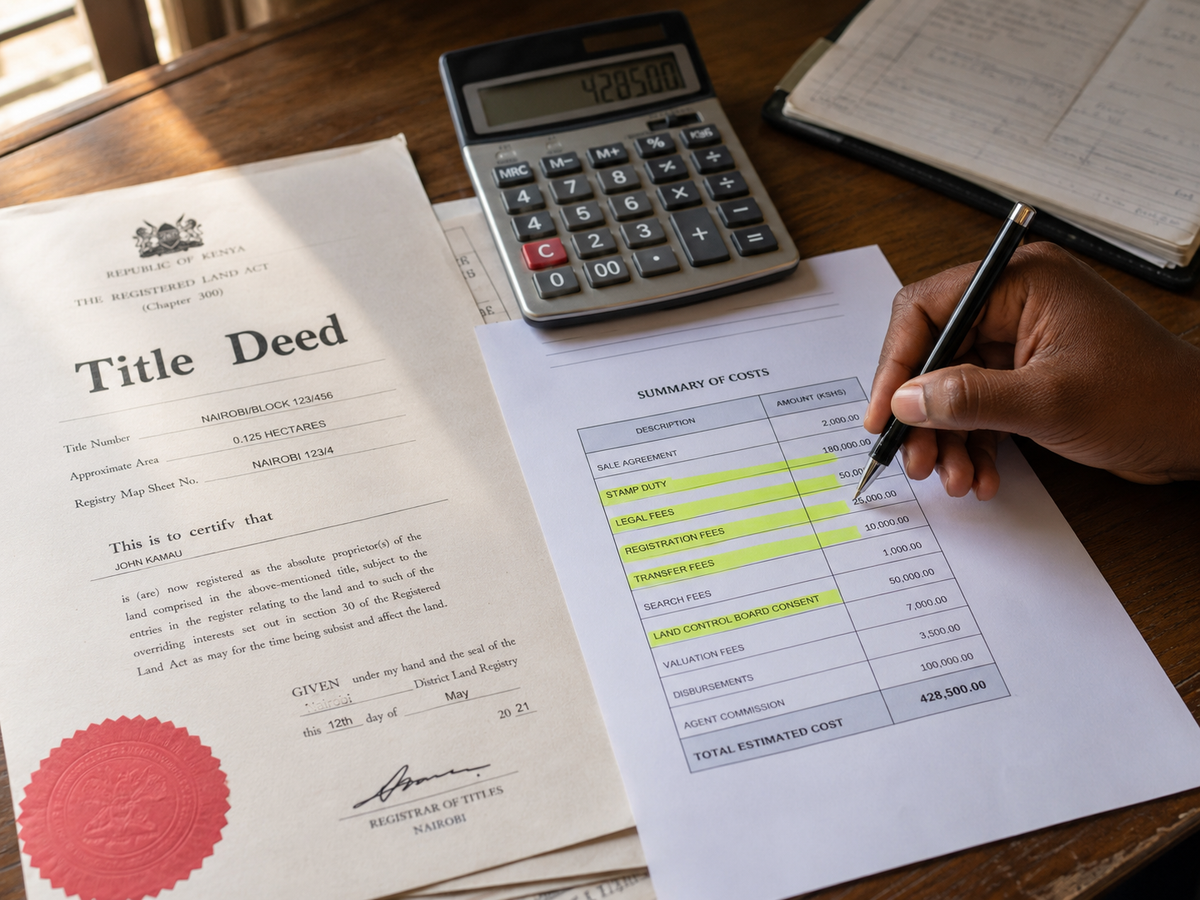
Total Cost of Buying Property in Kenya: Every Fee, Tax, and Hidden Cost in One Guide
How much does buying property in Kenya really cost? Stamp duty 2–4%, legal fees 1–2%, plus 8 hidden costs. 3 worked examples at KES 2.5M, 12M, and 45M.
Total Cost of Buying Property in Kenya: Every Fee, Tax, and Hidden Cost in One Guide
The purchase price of a property in Kenya is not the total cost. On a KES 10 million apartment in Nairobi, you will pay approximately KES 630,000–1.1 million in additional costs — stamp duty, legal fees, valuation, registration, and search charges — bringing your real outlay to KES 10.6–11.1 million. If you walk into a purchase with exactly the asking price in your account, you cannot complete the transaction.
This guide lists every cost you will encounter when buying property in Kenya in 2026, explains who pays what, and calculates the total at three different price points so you can build a realistic budget before you commit. For the step-by-step process, see our land buying checklist. For stamp duty specifics, see our stamp duty and closing costs guide.
The 12 Costs of Buying Property in Kenya
# | Cost Item | Amount | Who Pays | When |
|---|---|---|---|---|
1 | Stamp duty | 4% urban / 2% rural (of government-assessed value) | Buyer | Before transfer |
2 | Legal / conveyancing fees | 1–2% of property value + 16% VAT (minimum KES 28,000) | Buyer | During transaction |
3 | Government valuation fee | 0.25–1% of market value (minimum KES 10,000 + VAT) | Buyer | During stamp duty assessment |
4 | Land search (official) | KES 500–1,000 via Ardhisasa | Buyer | Due diligence |
5 | Surveyor fees (land purchases) | KES 15,000–50,000 | Buyer | Due diligence |
6 | Registration fee | ~KES 1,000 | Buyer | At transfer |
7 | Land Control Board consent | KES 1,000 | Split buyer/seller | Before transfer (agricultural land only) |
8 | Land rates clearance | Varies (seller clears, buyer verifies) | Seller clears arrears; buyer budgets KES 500–2,000 for verification | Before transfer |
9 | Agent commission | 2–5% of purchase price (typically 3%) | Seller (in most transactions) | At completion |
10 | Capital Gains Tax | 15% of net gain on sale | Seller | Within 30 days of transfer |
11 | Structural inspection (apartments/houses) | KES 15,000–40,000 | Buyer (optional but recommended) | Due diligence |
12 | Post-registration title search | KES 500–1,000 | Buyer | After transfer (verification) |
Items 9 and 10 are seller costs but affect your negotiation — a seller paying 15% CGT and 3% agent fees may be less willing to reduce the purchase price.
What Buyers Pay vs What Sellers Pay
Buyer Pays | Seller Pays |
|---|---|
Stamp duty (2–4%) | Agent commission (2–5%) |
Legal fees (1–2% + VAT) | Capital Gains Tax (15% of profit) |
Valuation fee (0.25–1%) | Land rates clearance (arrears) |
Land search + registration | Own legal representation costs |
Surveyor (land purchases) | |
Structural inspection (optional) |
Rule of thumb for buyers: budget 7–11% on top of the purchase price. This covers stamp duty, legal, valuation, search, and registration. The exact percentage depends on whether you are buying urban or rural, land or built property, and whether a mortgage is involved.
Worked Example 1: 50×100 Plot in Kitengela (KES 2.5 Million)
Cost Item | Amount (KES) | Calculation |
|---|---|---|
Purchase price | 2,500,000 | — |
Stamp duty (4% urban — Kitengela is a gazetted municipality) | 100,000 | 2,500,000 × 4% |
Legal fees (2% + 16% VAT) | 58,000 | 50,000 + 8,000 VAT |
Government valuation | 10,000 | Minimum fee |
Land search (Ardhisasa) | 1,000 | — |
Surveyor | 20,000 | Standard for satellite town plot |
Registration | 1,000 | — |
Total buyer cost | 2,690,000 | +7.6% over purchase price |
Worked Example 2: 2-Bedroom Apartment in Kilimani (KES 12 Million)
Cost Item | Amount (KES) | Calculation |
|---|---|---|
Purchase price | 12,000,000 | — |
Stamp duty (4%) | 480,000 | 12,000,000 × 4% |
Legal fees (1.5% + 16% VAT) | 209,000 | 180,000 + 28,800 VAT |
Government valuation (0.25%) | 30,000 | 12,000,000 × 0.25% |
Land search | 1,000 | — |
Structural inspection | 25,000 | Recommended for apartments |
Registration | 1,000 | — |
Post-registration search | 1,000 | — |
Total buyer cost | 12,747,000 | +6.2% over purchase price |
Worked Example 3: 4-Bedroom House in Karen (KES 45 Million)
Cost Item | Amount (KES) | Calculation |
|---|---|---|
Purchase price | 45,000,000 | — |
Stamp duty (4%) | 1,800,000 | 45,000,000 × 4% |
Legal fees (1% + 16% VAT) | 522,000 | 450,000 + 72,000 VAT |
Government valuation (0.25%) | 112,500 | 45,000,000 × 0.25% |
Land search | 1,000 | — |
Surveyor (boundary verification) | 35,000 | Karen's large plots need precise survey |
Structural inspection | 40,000 | Larger property, more thorough inspection |
Registration | 1,000 | — |
Post-registration search | 1,000 | — |
Total buyer cost | 47,512,500 | +5.6% over purchase price |
Note: At higher price points, the percentage drops because some costs are fixed (search, registration) while only stamp duty and legal fees scale proportionally.
Additional Costs If You Are Using a Mortgage
Cash purchases are simpler and cheaper. But most Kenyan homebuyers — particularly first-time buyers — finance through a mortgage. If you are borrowing, these costs stack on top of everything above:
Cost Item | Amount | Notes |
|---|---|---|
Mortgage arrangement/processing fee | 1–2.5% of loan amount | One-time fee charged by the bank at drawdown |
Mortgage legal fees (bank's advocate) | 1–1.5% of loan amount + VAT | You pay the bank's lawyer in addition to your own lawyer |
Mortgage stamp duty (on the charge document) | 0.1% of loan amount | Separate from the property stamp duty |
Mortgage insurance premium | 0.25–0.5% of loan amount per year | Required by most Kenyan banks; covers the outstanding loan in case of death |
Property insurance (fire + perils) | 0.15–0.3% of property value per year | Required by lenders; protects the collateral |
Valuation fee (bank's own valuer) | KES 10,000–30,000 | The bank commissions its own valuation — separate from the government valuation |
Worked example — mortgage impact: On the KES 12 million Kilimani apartment with a 20% deposit (KES 2.4 million) and a KES 9.6 million mortgage at 13.5% interest over 20 years:
Item | Amount (KES) |
|---|---|
Deposit (20%) | 2,400,000 |
Cash transaction costs (from Example 2 above) | 747,000 |
Mortgage arrangement fee (2%) | 192,000 |
Bank's legal fees (1% + VAT) | 111,000 |
Mortgage stamp duty (0.1%) | 9,600 |
Bank valuation | 15,000 |
Total cash needed at completion | 3,475,000 |
Monthly repayment (20 years, 13.5%) | ~117,000 |
Total interest over 20 years | ~18,500,000 |
Total cost of ownership (purchase + interest + fees) | ~31,400,000 |
The mortgage more than doubles the total cost of ownership compared to a cash purchase. This is not an argument against mortgages — for many buyers, the alternative is never buying at all. But it is an argument for understanding the full financial commitment before signing a 20-year loan agreement.
Additional Costs for Diaspora Buyers
If you are buying from outside Kenya, expect these additional costs on top of the standard buyer costs above:
Cost Item | Amount | Notes |
|---|---|---|
Power of Attorney (PoA) preparation + notarisation | KES 10,000–50,000 (or USD 100–500 in country of residence) | Required if your representative will sign documents on your behalf |
Apostille / authentication of PoA | USD 50–100 | Required for PoA prepared abroad to be valid in Kenya |
International wire transfer fees | USD 25–50 per transfer | Banks typically charge both sending and receiving fees |
Currency conversion spread | 1–3% of transferred amount | The gap between market rate and your bank's rate; this is often the largest hidden cost |
Local representative / property manager | KES 20,000–50,000 | Someone to attend site visits, LCB meetings, and Land Registry on your behalf |
The currency conversion spread alone can cost more than the stamp duty on smaller purchases. On a KES 5 million plot purchased with USD at a 2% spread, you lose approximately KES 100,000 to the conversion. For strategies to reduce this cost, see our diaspora investment guide.
Costs Most Buyers Forget
These are the costs that catch first-time buyers off-guard because they do not appear in any standard checklist:
Hidden Cost | Amount | Why It Catches People |
|---|---|---|
Government valuation higher than purchase price | Variable — can add 10–30% to stamp duty | If government values the property above what you paid, stamp duty is calculated on the higher figure |
Outstanding land rates from previous owner | Variable — can be tens of thousands | Transfer cannot complete until all arrears are cleared; sometimes the seller disappears |
VAT on legal fees | 16% of advocate's fee | Buyers budget for "1–2% legal fees" but forget the VAT on top |
Second land search after transfer | KES 500–1,000 | Small cost but confirms the title was properly transferred to your name |
Fencing and security for vacant land | KES 50,000–200,000 | Not a transaction cost, but if you do not secure vacant land, encroachment begins within months |
Change of user application (if rezoning needed) | KES 5,000–50,000 + months of waiting | Agricultural land that you want to build on may require a formal change of use |
How to Reduce Your Total Costs
You cannot eliminate transaction costs — stamp duty and registration are non-negotiable. But you can reduce the total:
Negotiate the purchase price, not the fees. A 5% reduction on a KES 10 million property saves you KES 500,000 — far more than any fee reduction. Sellers in the current market (satellite town prices are flat or declining in many areas per the HassConsult Q1 2026 data) are more open to negotiation than in the boom years of 2023–2024.
Compare legal fees across 2–3 advocates. The Advocate Remuneration Order sets minimum fees, but many firms charge above the minimum. Get quotes before engaging. Ensure the quote includes VAT.
Buy rural if eligible for 2% stamp duty. The difference between 4% and 2% stamp duty on a KES 10 million property is KES 200,000. If the land is outside a gazetted municipality, you pay the lower rate.
For diaspora buyers: use a forex service instead of a bank wire. Services like Wise, Remitly, or specialist Kenya forex dealers typically offer exchange rates 1–2% better than banks, which on a KES 10 million transfer saves KES 100,000–200,000.
Use Afriqahome's stamp duty calculator to estimate your exact stamp duty before making an offer. Knowing the number in advance prevents surprises at completion.
Frequently Asked Questions
What percentage should I add to the purchase price for total costs?
Budget 7–11% on top of the purchase price for all buyer-side transaction costs. For a KES 10 million urban property, this means KES 700,000–1,100,000 in additional costs. The exact percentage depends on whether the property is urban (4% stamp duty) or rural (2%), the legal fee negotiated, and whether a surveyor or structural inspection is needed.
Is stamp duty calculated on the purchase price or the government valuation?
Stamp duty is calculated on the higher of the two. If you agree a purchase price of KES 8 million but the government valuer assesses the property at KES 9.5 million, your stamp duty will be 4% of KES 9.5 million (KES 380,000), not 4% of KES 8 million (KES 320,000). This is one of the most common surprises for first-time buyers.
Does the buyer or seller pay the agent commission?
In most Kenyan property transactions, the seller pays the agent commission (typically 3% of the purchase price). However, this is negotiable and sometimes split. If a buyer engages their own agent separately, they may owe a separate fee. Always clarify agent fees in writing before engaging anyone.
Are there any stamp duty exemptions in Kenya?
Yes. Transfers between spouses are fully exempt. Inheritance transfers to family members are exempt. First-time homebuyers under the government's Affordable Housing Scheme qualify for exemption on approved units. Transfers to charitable organisations may qualify for relief. Always confirm eligibility with KRA or your advocate before assuming an exemption applies.
What additional costs do diaspora buyers face?
Beyond standard transaction costs, diaspora buyers typically incur: Power of Attorney preparation and notarisation (KES 10,000–50,000), apostille fees (USD 50–100), international wire transfer fees (USD 25–50 per transfer), currency conversion spreads (1–3% of the amount), and local representative costs (KES 20,000–50,000). The conversion spread is often the largest hidden cost — on a KES 10 million purchase from USD, a 2% spread costs KES 200,000.
Do I need a structural inspection when buying an apartment?
It is not legally required, but it is strongly recommended — especially for older buildings or those built during Nairobi's rapid construction boom of 2015–2022, when oversight was inconsistent. A structural inspection costs KES 15,000–40,000 and can reveal issues (cracking, water damage, foundation problems, electrical faults) that could cost millions to repair after purchase. The cost is insignificant relative to the potential savings.
Explore Further
Use these tools and guides to build your complete property budget:
Stamp Duty Calculator — instant estimate for your purchase
Stamp Duty & Closing Costs Kenya 2026 — detailed guide
Land Buying Checklist — tick-off process guide
Browse Nairobi apartments → | Browse Nairobi houses → | Browse land → | Find a verified agent →
All figures reflect 2026 rates and market conditions. Stamp duty rates are set by the Stamp Duty Act (Cap 480). Legal fees are guided by the Advocate Remuneration Order. Actual costs may vary by transaction complexity, property value, and professional fees negotiated. Afriqahome is a marketplace — we connect buyers with verified agents and do not participate in transactions.
Other Guides

Living in Juja, Kiambu: The University Town That Became a Satellite City — Prices, Estates & Honest Guide (2026)
Juja houses from KSh 1.2M, rent from KSh 2.5K. JKUAT area, Kenyatta Road estates, Kalimoni, Witeithie. Student yields 9-15%.
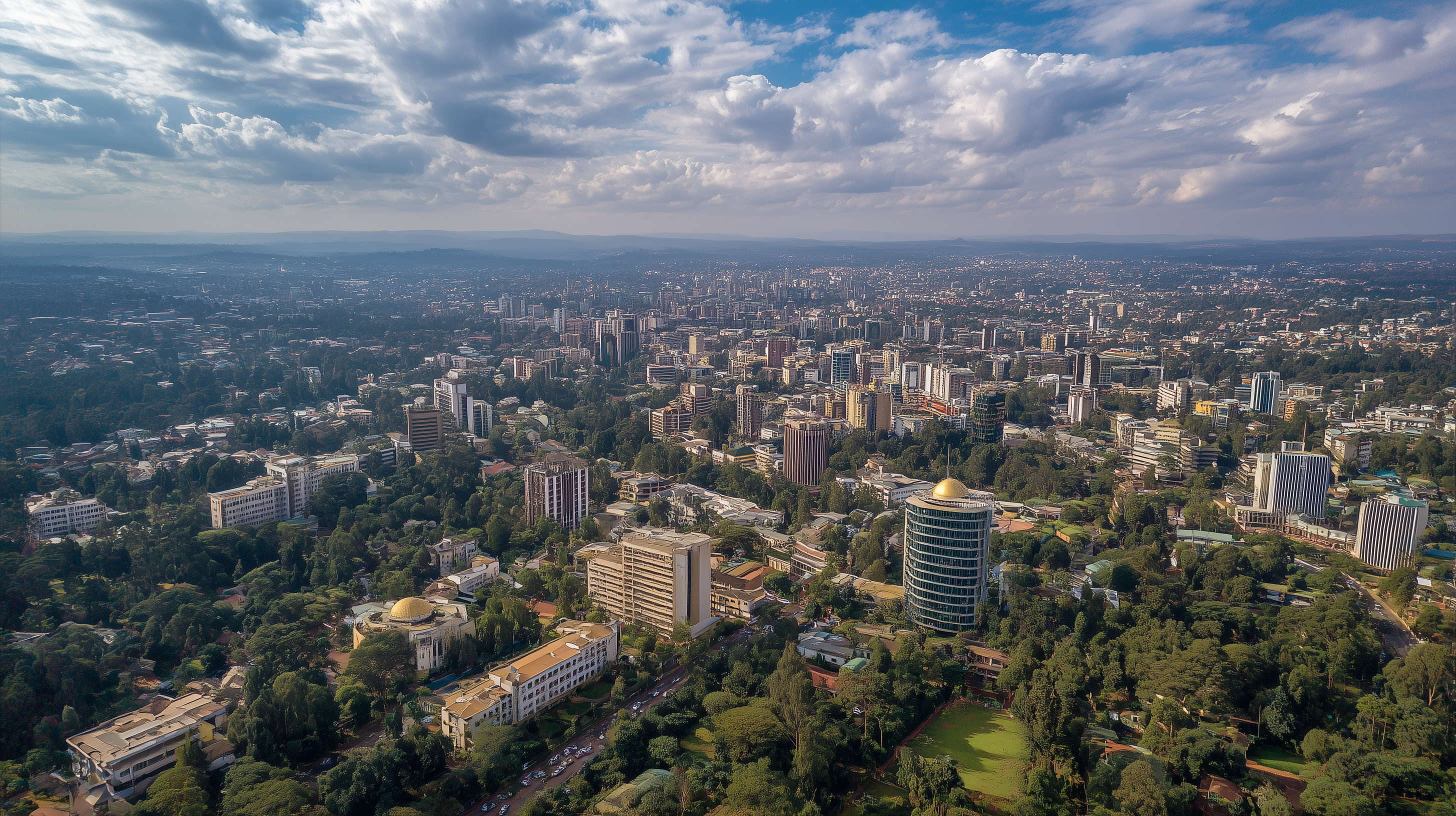
Westlands Property Guide: Prices, Lifestyle & Investment (2026)
Complete guide to Westlands real estate. Apartments from KES 8M, rental yields 6-8%, plus lifestyle amenities. Browse verified Westlands listings today.
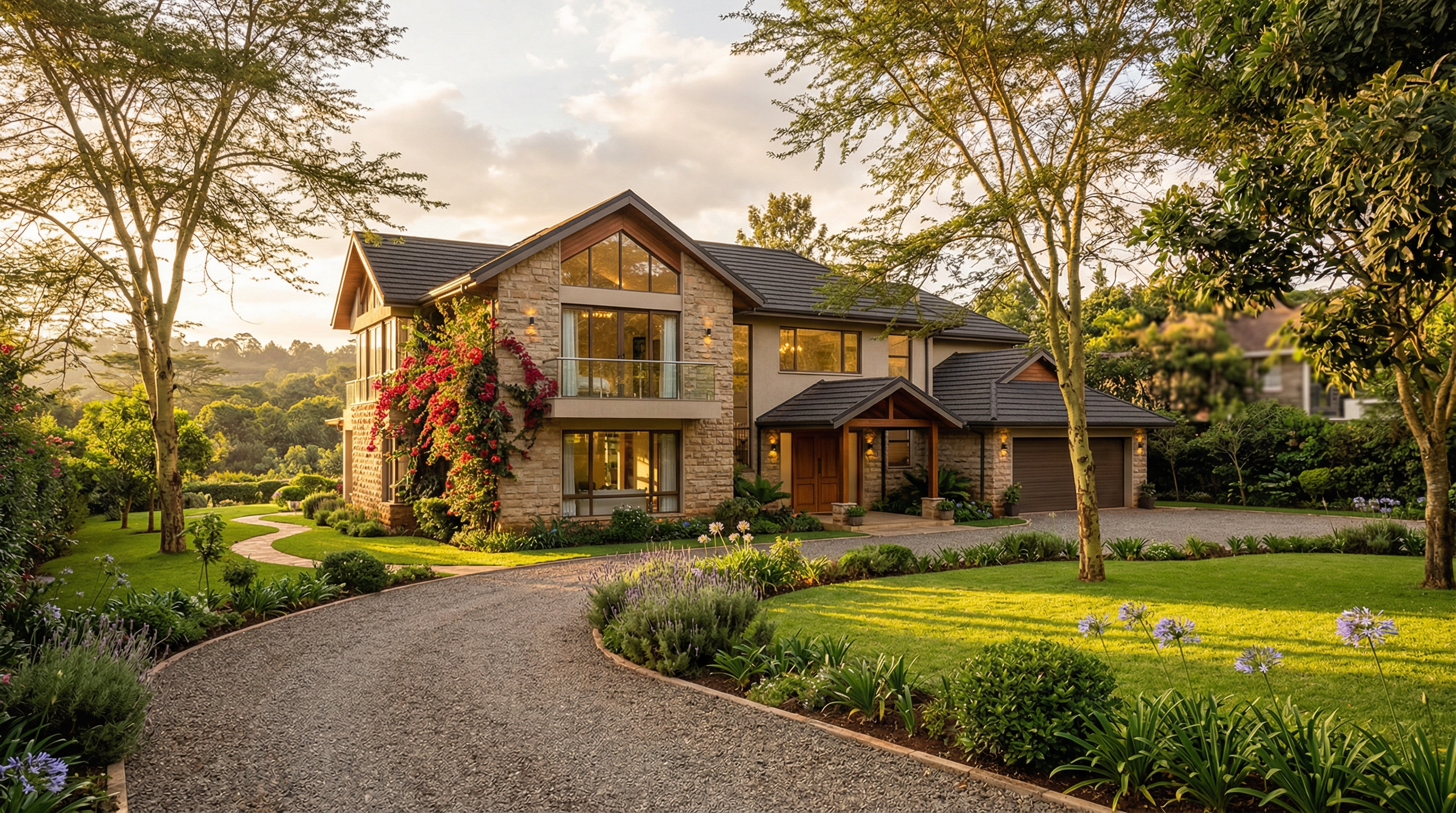
Houses for Sale in Karen: Price Guide 2026
Karen house prices from KES 35M–250M+. 4-bedroom, 5-bedroom, villas. Karen Hardy, Ndege Road, budget breakdown. Updated March 2026.