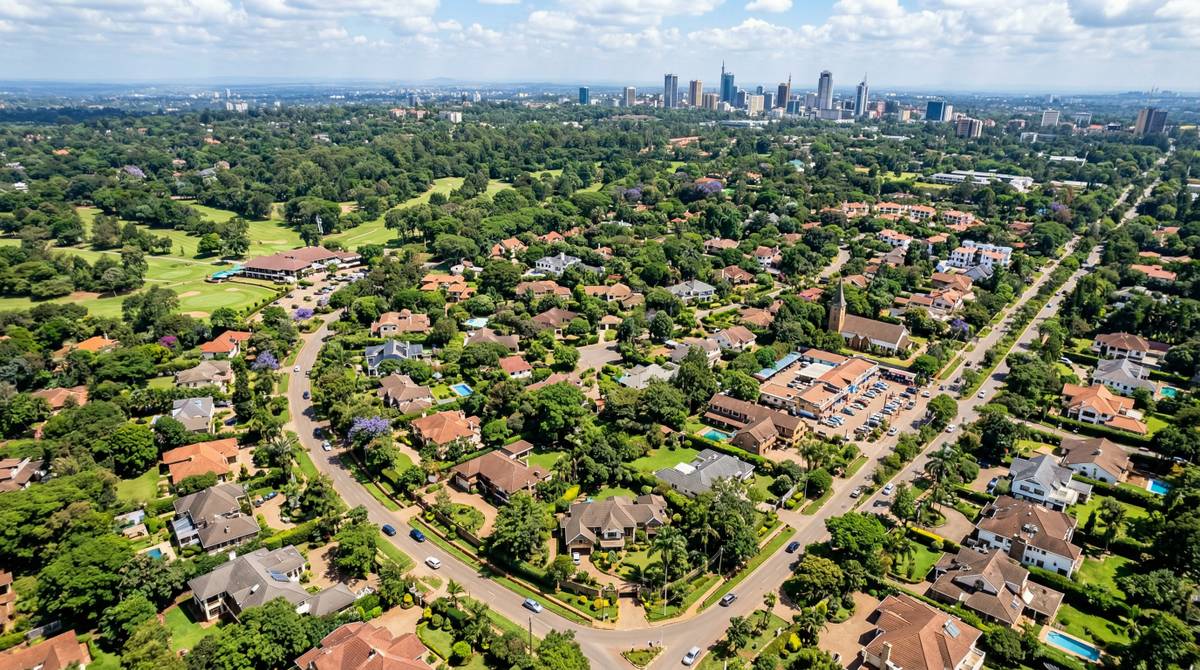
Best Areas to Live in Nairobi 2026: Price & Lifestyle Compared
Karen for families, Kilimani for singles, Westlands for nightlife? We compare 8 Nairobi neighborhoods by rent, safety, commute, and vibe.
Best Areas to Live in Nairobi: What Buyers Need to Know in 2026
Nairobi has over 50 residential neighborhoods, and picking the right one determines everything — your commute, your security, what you pay, and what your property is worth in five years. Three-bedroom apartments range from KES 5M in satellite towns to KES 45M in Karen. That's a 9x price spread across a 30-kilometer radius.
This guide breaks down seven of Nairobi's most sought-after neighborhoods by price, lifestyle, transport, and investment potential. Whether you're a first-time buyer, a diaspora investor, or relocating within the city, the goal is the same: match your budget and lifestyle to the right area.
Quick Comparison: Nairobi's Top Neighborhoods at a Glance
Neighborhood | 3-Bed Price Range | Best For | Commute to CBD | Rental Yield |
|---|---|---|---|---|
Karen | KES 25M–60M | Families, space seekers | 35–50 min | 4–5% |
Kilimani | KES 12M–22M | Young professionals, expats | 10–20 min | 6–8% |
Lavington | KES 15M–35M | Families, executives | 15–25 min | 5–6% |
Westlands | KES 12M–28M | Corporates, nightlife | 10–15 min | 6–8% |
Kileleshwa | KES 10M–18M | Value seekers, families | 15–25 min | 6–7% |
Runda | KES 40M–100M+ | Diplomats, high-net-worth | 20–30 min | 3–4% |
South B/C | KES 6M–12M | Budget buyers, starters | 15–25 min | 7–9% |
Prices reflect 2026 market estimates and vary by building age, finishes, and floor. Yields are gross annual estimates based on listed rents vs purchase prices.
Karen: Space, Privacy, and Premium Living
Karen sits about 15 kilometers southwest of the CBD. Named after Karen Blixen, it's defined by large plots — typically half-acre to one-acre — mature gardens, and quiet roads. If you value space over convenience, Karen is hard to beat.
Property prices: Four-bedroom villas start at KES 35M and reach well above KES 100M for newer builds on full-acre plots. Three-bedroom townhouses in gated communities like Karen Plains and Miotoni range from KES 25M to KES 45M. Land trades at KES 30M–60M per acre depending on proximity to Karen Road.
Lifestyle: Karen has The Hub and Waterfront Mall for shopping, Talisman and Karen Blixen Coffee Garden for dining, and multiple golf courses and riding clubs. Schools include Braeburn, Hillcrest, and Banda. The Nairobi National Park border is minutes away — you can watch giraffes from some balconies.
The trade-off: Distance. Rush hour to the CBD can stretch to 50 minutes via Ngong Road or Langata Road. If you work in Westlands or Upper Hill, budget an hour each way during peak times. Karen also has limited public transport — most residents drive.
Investment outlook: Karen appreciates steadily at 5–7% annually. Rental yields are lower (4–5%) because purchase prices are high, but tenant quality is strong: NGO staff, diplomats, and executives on corporate leases. For diaspora buyers, Karen's large plots hold their value well and offer straightforward resale.
→ Read our full Karen property guide
Kilimani: Central, Walkable, High Demand
Kilimani sits directly south of Westlands and west of the CBD. It's Nairobi's most popular apartment market — high-rise developments dominate, and you can walk to restaurants, gyms, and malls without starting a car.
Property prices: One-bedroom apartments start at KES 6.5M, two-bedrooms at KES 9M–14M, and three-bedrooms at KES 14M–22M. Newer builds with amenities (gym, pool, backup power) command 15–20% premiums. Apartments with a DSQ (Domestic Staff Quarters) add KES 1.5M–3M to the price.
Lifestyle: Yaya Centre and AdLife Plaza anchor the area. Denis Pritt Road and Argwings Kodhek Road are lined with restaurants and cafés. Kilimani is cosmopolitan — you'll find Ethiopian, Japanese, and Indian food within a 10-minute walk. Valley Arcade's fresh produce market is a local favorite. Schools nearby include Riara Group, St. Christopher's, and Makini.
The trade-off: Construction. Kilimani is densifying fast, and new developments mean noise and dust on many streets. Some older buildings on Rose Avenue and Wood Avenue are being replaced, changing the area's character. Parking can also be tight in older complexes.
Investment outlook: Kilimani offers some of Nairobi's strongest rental yields — 6–8% gross. Demand is driven by professionals working in the CBD, Upper Hill, and Westlands. Short-term rental platforms have further boosted returns for furnished units. High liquidity: apartments here sell faster than in most other neighborhoods.
→ Read our full Kilimani property guide
Lavington: Established Prestige, Family Focus
Lavington sits between Kilimani and Karen on Nairobi's western corridor. It strikes a balance: more space than Kilimani, more convenience than Karen. James Gichuru Road and Gitanga Road form its main arteries.
Property prices: Three-bedroom apartments range from KES 15M to KES 25M. Townhouses in gated communities (Lavington Green, Valley Arcade area) go for KES 25M–45M. Standalone houses on quarter-acre plots start at KES 40M.
Lifestyle: Lavington Mall and The Junction Mall (bordering Ngong Road) serve the area. The neighborhood is quieter than Kilimani with wider roads and more green cover. St. Austin's Academy, Braeburn, and Nairobi International School make it a strong pick for families. The German, Italian, and Nigerian embassies add an international flavor.
The trade-off: Lavington is less walkable than Kilimani. You'll likely need a car for daily errands beyond the immediate mall radius. Some roads (particularly off Mbaazi Avenue) flood during heavy rains.
Investment outlook: Steady appreciation at 5–7% annually. Rental demand is solid from mid-level expats and embassy staff. Yields sit at 5–6% — lower than Kilimani but with lower vacancy rates. Lavington properties tend to hold value well during market dips because supply is more constrained.
→ Read our full Lavington property guide
Westlands: Nairobi's Business and Entertainment Hub
Westlands is where Nairobi's corporate and social life converge. It borders Parklands, Spring Valley, and Chiromo — putting it at the geographic center of Nairobi's upper-income corridor. The area is dense with offices, malls, and high-rise apartments.
Property prices: One-bedroom apartments start at KES 7M, two-bedrooms at KES 10M–16M, and three-bedrooms at KES 15M–28M. Premium buildings along Waiyaki Way and near Westgate Mall command top prices. Spring Valley, the quieter sub-area, offers bungalows and townhouses from KES 30M–60M.
Lifestyle: Westgate Mall, Sarit Centre, and The Mall Westlands provide shopping. The area is Nairobi's nightlife capital — Electric Avenue, Alchemist Bar, and a constantly rotating roster of restaurants make it the go-to for after-work socializing. Multinational offices (Google, Visa, UN agencies) are headquartered here or nearby in Gigiri.
The trade-off: Noise and congestion. Westlands proper (particularly around Mpaka Road and Woodvale Grove) gets loud at night. Waiyaki Way traffic can be brutal. If quiet evenings matter, look at Spring Valley or Brookside over central Westlands.
Investment outlook: Westlands delivers 6–8% gross yields — among Nairobi's highest. Corporate tenants, expats, and short-term rental demand keep occupancy strong. The Nairobi Expressway has improved CBD-to-Westlands commute times, boosting the area further. Capital appreciation is solid at 6–8% annually for well-located buildings.
→ Read our full Westlands property guide
Kileleshwa: The Value Alternative
Kileleshwa sits between Kilimani and Lavington, offering a middle ground in both price and lifestyle. Oloitokitok Road and Othaya Road are the main routes. The area has matured significantly in recent years with new apartment developments replacing older standalone houses.
Property prices: Two-bedroom apartments range from KES 8M to KES 13M, and three-bedrooms from KES 10M to KES 18M. That's roughly 15–20% below comparable units in Kilimani, making Kileleshwa popular with budget-conscious buyers who still want a central location.
Lifestyle: Kileleshwa lacks a major mall anchor (unlike Kilimani's Yaya), but Westlands and Lavington malls are a short drive away. The Arboretum is nearby for green space. The neighborhood is quieter and more residential than Kilimani, attracting families and couples.
The trade-off: Fewer amenities within walking distance compared to Kilimani or Westlands. Some streets get congested during school runs. Development is ongoing, meaning construction noise in pockets.
Investment outlook: Kileleshwa yields 6–7% with growing rental demand as spillover from Kilimani. Property values are appreciating faster (7–9% annually) than more established neighbors as the area develops. For first-time investors, Kileleshwa may offer the best price-to-yield ratio in Nairobi's upper-middle market.
How to Choose: A Decision Framework
Picking a neighborhood is about trade-offs. Here's a simplified framework:
Your Priority | Best Fit | Runner-Up |
|---|---|---|
Maximum space and quiet | Karen | Lavington |
Walkability and social life | Kilimani | Westlands |
Best rental yield | Kilimani | Westlands |
Family with school-age kids | Lavington | Karen |
Budget under KES 15M | Kileleshwa | South B/C |
Corporate/expat lifestyle | Westlands | Kilimani |
Diaspora investment (hands-off) | Kilimani | Kileleshwa |
For Diaspora Investors: Which Neighborhood Works Best?
If you're buying from the UK, USA, or elsewhere abroad, your priorities are different from a local buyer. You need strong rental demand (to cover management costs), reliable tenants, and easy resale if plans change.
Top picks for diaspora:
Kilimani: Highest demand, easiest to rent and sell. Multiple property management firms operate here. Furnished apartments on platforms like Airbnb can push yields above 10%.
Westlands: Similar demand profile. Corporate tenants mean consistent occupancy. Newer buildings offer turnkey units that need minimal management.
Kileleshwa: Lower entry point with growing demand. Good for first-time diaspora investors testing the market.
Avoid for remote ownership: Karen and Runda — high entry prices, lower yields, and houses require more hands-on management than apartments.
Before buying any property remotely, verify the title deed through Kenya's Ardhisasa system and work only with verified agents. Afriqahome agents can earn a Verified Agent badge by submitting identity and licence documentation. The badge is optional, so look for it rather than assuming it.
→ Read our complete diaspora investment guide
Beyond Nairobi: Consider the Coast
Not set on Nairobi? Mombasa offers a completely different value proposition. Three-bedroom apartments in Nyali start at KES 8M — roughly 40% less than comparable Kilimani units. Rental yields from holiday lets reach 6–8%, and the lifestyle is ocean views instead of office towers.
→ Read our Mombasa property guide
Start Your Property Search
Ready to explore? Browse verified listings from trusted agents across all of Nairobi's top neighborhoods. Filter by budget, bedrooms, and area to find properties that match your criteria.
Other Guides

Living in Juja, Kiambu: The University Town That Became a Satellite City — Prices, Estates & Honest Guide (2026)
Juja houses from KSh 1.2M, rent from KSh 2.5K. JKUAT area, Kenyatta Road estates, Kalimoni, Witeithie. Student yields 9-15%.

Westlands Property Guide: Prices, Lifestyle & Investment (2026)
Complete guide to Westlands real estate. Apartments from KES 8M, rental yields 6-8%, plus lifestyle amenities. Browse verified Westlands listings today.
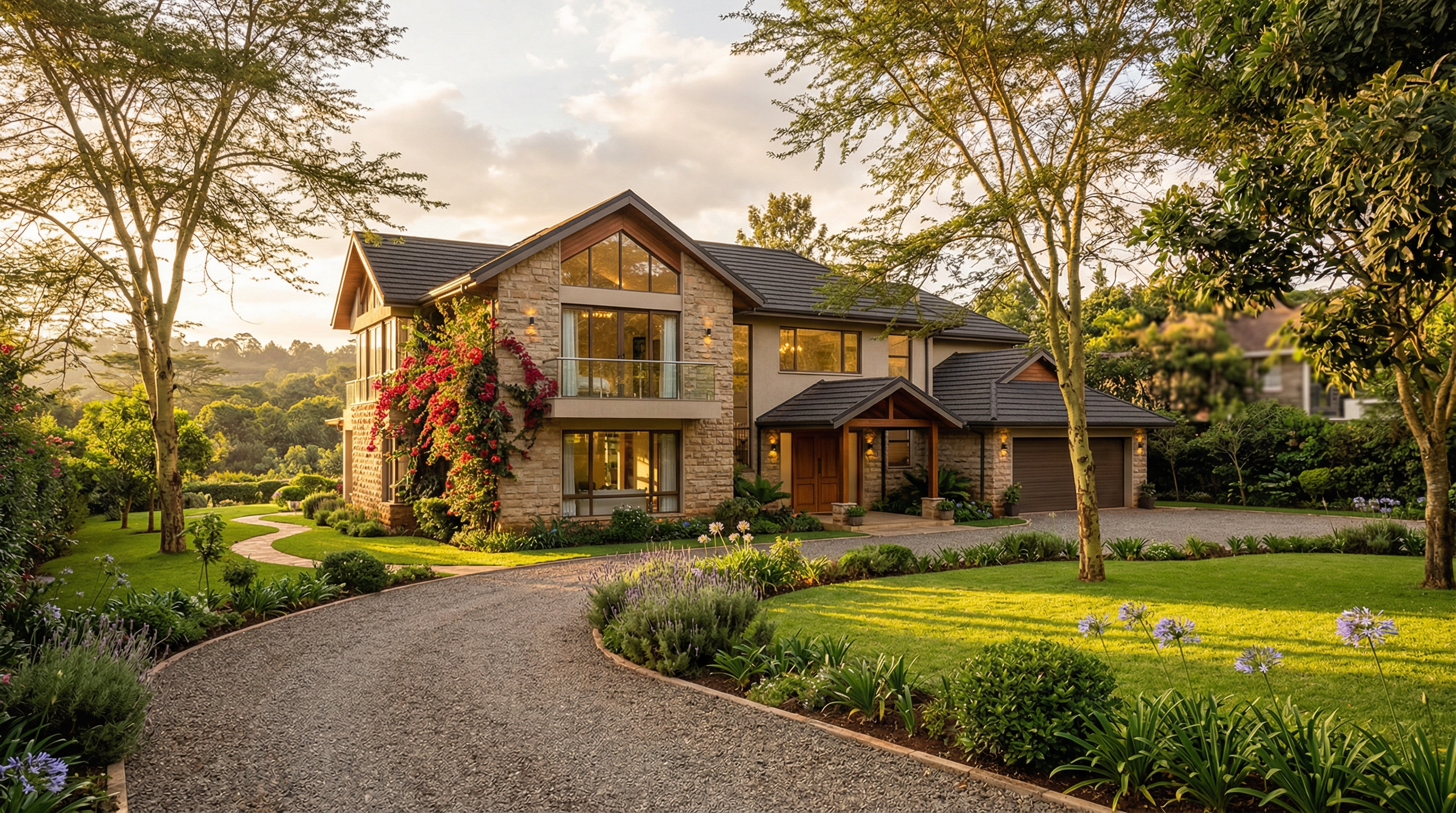
Houses for Sale in Karen: Price Guide 2026
Karen house prices from KES 35M–250M+. 4-bedroom, 5-bedroom, villas. Karen Hardy, Ndege Road, budget breakdown. Updated March 2026.