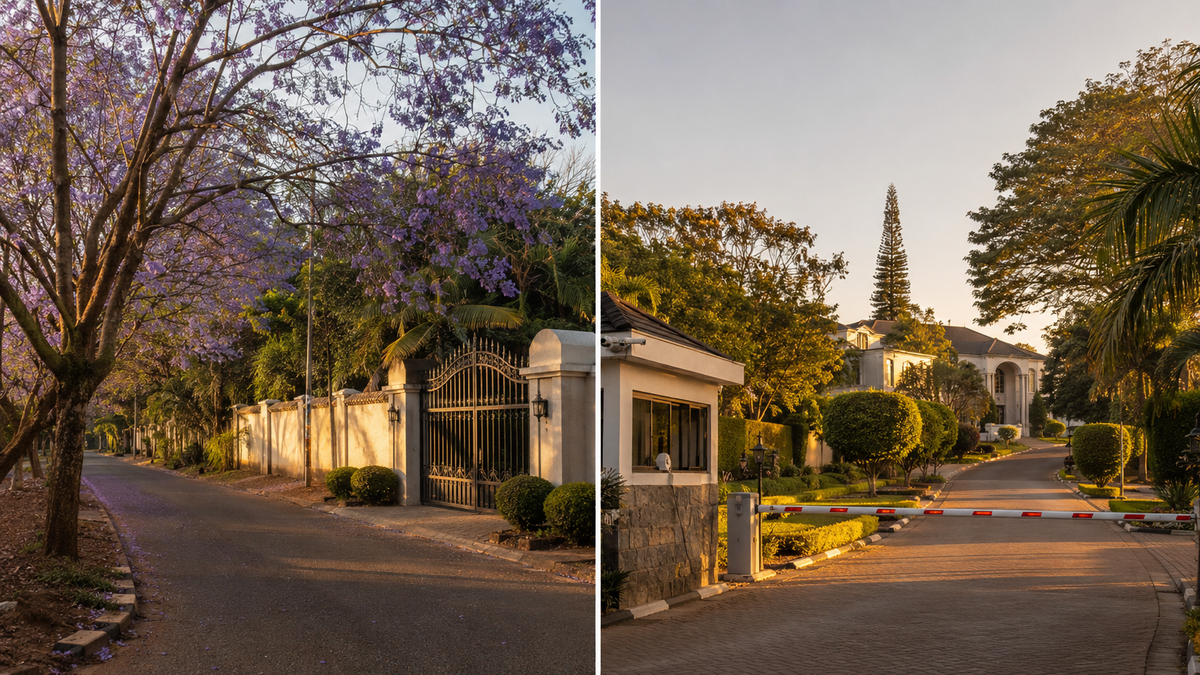
Karen vs Runda 2026: Which Nairobi Luxury Suburb Is Right for You?
Karen vs Runda side by side — house prices (KES 88M avg vs 116M), land, rent, commute, schools, security, and investment returns. Data-driven decision framework
Karen vs Runda 2026: Which Nairobi Luxury Suburb Is Right for You?
Karen and Runda are Nairobi's two most iconic residential suburbs — both premium, both spacious, both defined by large plots, mature gardens, and a lifestyle built around privacy rather than convenience. But they are not interchangeable. Karen is affordable luxury with a village character and proximity to nature. Runda is Nairobi's diplomatic and corporate elite neighbourhood with embassy-grade security and a price tag to match.
This comparison breaks down every dimension that matters when choosing between them: house prices, land prices, rental costs, lifestyle, commute, schools, security, investment returns, and the honest downsides of each. If you have already read our individual guides — Living in Karen and Living in Runda — this article puts them side by side.
Head-to-Head Comparison Table
Factor | Karen | Runda |
|---|---|---|
Distance from CBD | ~15 km southwest | ~10.5 km north |
Character | Sprawling, village-like, nature-adjacent | Exclusive, gated, diplomatic enclave |
Plot sizes | ¼ acre to 5+ acres | ½ acre to 1+ acre |
Houses for sale (range) | KES 25M (townhouses) – KES 250M+ (mansions) | KES 25M (townhouses) – KES 300M+ (mansions) |
Average house price | ~KES 88M | ~KES 116M |
Land per acre | KES 30M – 60M (KES 77M HassConsult avg) | KES 125M (Nyari corridor) |
Monthly rent (houses) | KES 100,000 – 300,000 | KES 200,000 – 500,000+ |
Gross rental yield | 3–5% | 3.5–5% |
Capital appreciation (annual) | 5–8% | 0.2–4.3% (premium bracket stabilised) |
Commute to CBD (peak) | 40–60 minutes via Ngong/Langata Road | 30–45 minutes via Limuru/Kiambu Road |
Commute to Westlands | 35–50 minutes | 15–25 minutes |
Commute to JKIA | 40–55 minutes via Southern Bypass | 45–60 minutes |
Primary buyer profile | Upper-income Kenyan families, some expats | Diplomats, UN staff, senior corporate, Kenyan ultra-HNW |
Tenant profile | Senior expats, upper-income families | Ambassadors, UN officials, multinational CEOs |
Schools | Brookhouse, Hillcrest, Braeburn, Banda | ISK, UN Gigiri School, Rosslyn Academy |
Shopping | The Hub Karen, Karen Waterfront Mall | Two Rivers Mall, Village Market (adjacent Gigiri) |
Nature | Nairobi National Park boundary, Giraffe Centre, Karen Blixen Museum | Karura Forest (2,500 acres), Runda Arboretum |
Security model | Estate-level + community policing | Diplomatic-grade — armed patrols, CCTV, boom barriers, embassy proximity |
Liquidity (resale speed) | Moderate — wider buyer pool, faster sales below KES 80M | Low at top end — KES 100M+ properties can take 12–24 months to sell |
Buying: Price Comparison in Detail
Houses
Karen's entry point is lower and its range is wider. A 3-bedroom townhouse in a Karen gated community starts at approximately KES 25M, while a 4-bedroom villa on half an acre ranges from KES 55M to KES 120M. At the top end, full-acre Karen mansions reach KES 200M–250M.
Runda's townhouse entry is similar — around KES 25M–50M in developments like Runda Gardens — but standalone houses are significantly more expensive. The neighbourhood average sits at KES 116M, and ambassadorial-grade mansions on 1+ acre plots reach KES 200M–300M+. A 5-bedroom house at KES 110M in Runda would buy two equivalent houses in Karen.
Verdict: Karen offers more choice at more price points. Runda is steeper but comes with higher security infrastructure built into the neighbourhood fabric.
Land
Karen land trades at approximately KES 77M per acre (HassConsult Q1 2026), making it the least expensive of Nairobi's tracked suburbs — though "least expensive suburb" still means prohibitively expensive for most buyers. Runda-adjacent land in the Nyari corridor trades at approximately KES 125M per acre.
For self-build buyers, Karen's lower land cost means a larger budget for construction. On a KES 100M total budget, Karen gives you roughly KES 20M for a quarter-acre plot and KES 80M for a build. In Runda, the same budget gives you KES 31M for a quarter-acre and KES 69M for the build — less house for more money. See our Kenya Land Prices 2026 guide for the full data.
Renting: What You Get for Your Money
Property Type | Karen Rent (KES/month) | Runda Rent (KES/month) |
|---|---|---|
3-bed townhouse | 100,000 – 150,000 | 150,000 – 250,000 |
4-bed house | 150,000 – 250,000 | 250,000 – 400,000 |
5-bed mansion | 200,000 – 350,000 | 350,000 – 500,000+ |
Runda commands a 40–60% rental premium over Karen for comparable properties. The premium is driven by the diplomatic tenant pool, who pay institutional rents (embassy-funded) and value security infrastructure above all else. Karen tenants are more price-sensitive — upper-income Kenyan families and expats who compare options across multiple suburbs.
Lifestyle Comparison
Daily Life in Karen
Karen feels like a countryside retreat that happens to be 15 km from Nairobi's CBD. The roads are lined with jacaranda trees, the plots are enormous by Nairobi standards, and the pace is slower than any inner suburb. Weekend life revolves around The Hub Karen, Karen Waterfront, the Giraffe Centre, Karen Blixen Museum, and a surprising number of artisan restaurants and coffee shops. If you run, cycle, or ride horses, Karen is arguably the best suburb in Nairobi. The Nairobi National Park boundary means you can see wildlife from some properties.
The trade-off is distance. Karen is car-dependent with limited public transport. Rush hour to the CBD stretches to 50–60 minutes via Ngong Road. If you work in Westlands or Upper Hill, budget an hour each way. The Southern Bypass has improved JKIA access, but daily commuting to the eastern side of Nairobi is painful.
Daily Life in Runda
Runda is quieter than Karen — and that is saying something. Originally a coffee estate, it has transformed into Nairobi's most exclusive residential enclave. The 2,500-acre Karura Forest serves as a natural boundary on one side, and the neighbourhood is structured around boom-gate access, armed patrols, and embassy-level CCTV coverage. Daily life is private, insular, and deliberately separated from the rest of the city.
Shopping and dining require leaving the neighbourhood — Two Rivers Mall and Village Market in Gigiri are the closest options. Runda itself has no commercial centre, which is either a feature (no noise, no traffic, no strangers) or a limitation (no walkable amenities). The commute to Westlands is short (15–25 minutes), making Runda practical for professionals who work on the northern side of Nairobi.
Schools
Karen Schools | Runda / Gigiri Schools |
|---|---|
Brookhouse School (British curriculum) | International School of Kenya — ISK (American curriculum) |
Hillcrest International (British) | United Nations Gigiri School |
Braeburn Karen (British) | Rosslyn Academy (American Christian) |
Banda School (Kenyan prep) | Peponi School (in Ruiru, 20 min) |
Both areas have outstanding international schools. The deciding factor is often curriculum preference: Karen tilts British, Runda/Gigiri tilts American. ISK is the most prestigious international school in East Africa and is the reason many diplomatic families choose Runda specifically.
Security
Karen: Security is estate-level — most gated communities have their own guards, CCTV, and electric fencing, with community policing coordinated at the estate association level. The quality varies between estates. Karen's open geography (long, winding roads between estates) creates some vulnerability between compounds.
Runda: Security is neighbourhood-wide and diplomatic-grade. The concentration of embassies and ambassadorial residences means Kenyan government security forces are present in the area. Private security firms operate 24/7 armed patrols. Boom barriers control vehicular access. For families with security as the number one priority — particularly those relocating from high-risk environments — Runda is objectively the more secure choice.
Investment Analysis
Investment Factor | Karen | Runda |
|---|---|---|
Capital appreciation (recent) | 5–8% annually — consistent growth, supported by development and improved infrastructure (Southern Bypass) | 0.2–4.3% annually — premium bracket has stabilised; ultra-luxury properties appreciate slower |
Rental yield (gross) | 3–5% | 3.5–5% (diplomatic tenants pay reliably; longer vacancies at top end) |
Liquidity | Moderate — wider buyer pool. Properties under KES 80M sell within 3–6 months | Low at top end — KES 100M+ properties can sit for 12–24 months. Townhouses sell faster |
Diaspora suitability | Moderate — houses require management; townhouses are easier | Difficult without property manager — mansions need constant maintenance and staff management |
Future growth drivers | Southern Bypass, Karen Waterfront, new commercial developments | Two Rivers expansion, Gigiri corporate corridor, continued diplomatic demand |
For capital growth: Karen has outperformed Runda in recent years, particularly at the KES 25M–80M bracket where buyer demand is broadest.
For rental income: Runda has a slight edge if you can secure diplomatic tenants, who pay premium rents on long leases. But vacancies between diplomatic tenants can be extended — embassies rotate staff on 2–4 year cycles.
For diaspora investors: Neither suburb is ideal for hands-off remote ownership. Both require property management companies. A Runda townhouse (KES 25M–50M) renting at KES 200,000/month to a diplomatic tenant delivers approximately 6.8% gross yield — the best risk-adjusted return in either suburb. See our diaspora investment guide for practical remote ownership advice.
Who Should Choose Karen
Karen is the better choice if you prioritise value relative to space — larger plots for less money, wider price range, more inventory to choose from. It suits families who want a nature-adjacent lifestyle with good British-curriculum schools, buyers who work on the southern or western side of Nairobi, and investors targeting the KES 25M–80M bracket where liquidity and appreciation are strongest.
Who Should Choose Runda
Runda is the better choice if security is non-negotiable at the neighbourhood level (not just estate level), if you need proximity to the UN/Gigiri diplomatic corridor, if you want ISK or Rosslyn Academy for your children, or if you have a budget above KES 100M and want Nairobi's most prestigious residential address. Runda is also better for professionals who work in Westlands — the commute is half of what Karen offers.
Commute: Detailed Comparison
Where you work determines which suburb makes practical sense. Here is a more detailed commute comparison for key employment corridors:
Destination | From Karen (peak hours) | From Runda (peak hours) | Advantage |
|---|---|---|---|
Nairobi CBD | 40–60 min (Ngong Rd / Langata Rd) | 30–45 min (Limuru Rd / Kiambu Rd) | Runda |
Westlands | 35–50 min | 15–25 min | Runda (significantly) |
Upper Hill | 30–45 min (Langata Rd) | 30–40 min | Comparable |
Gigiri / UN | 40–55 min | 10–15 min | Runda (significantly) |
JKIA | 40–55 min (Southern Bypass) | 45–60 min | Karen (slightly) |
Industrial Area | 30–45 min (Mombasa Rd via Bypass) | 40–55 min | Karen |
Kilimani | 25–40 min (James Gichuru / Ngong Rd) | 25–35 min | Comparable |
The takeaway: if you work anywhere on the northern corridor (Westlands, Gigiri, Parklands, along Kiambu Road), Runda saves you 20–30 minutes each way daily — that is 3–5 hours per week. If you work on the southern side (Industrial Area, JKIA, Mombasa Road), Karen has the edge via the Southern Bypass.
The Honest Downsides
Karen Downsides
Distance kills convenience. Karen is far from everything except Karen. Running out of milk at 9pm means a 15-minute drive to the nearest supermarket. Ordering food delivery from CBD restaurants is often not available. If you have teenagers who want independence, they are stuck unless you drive them — there is no Uber density, no matatu routes worth relying on, and cycling infrastructure does not exist.
Flood risk in parts. Lower-lying areas of Karen (particularly near the Mbagathi River corridor) experience seasonal flooding during the long rains. This is not theoretical — properties have been damaged. Check flood maps before purchasing.
Variable estate quality. Not all of Karen is premium. Some areas have older, unmaintained houses, poor road surfaces within estates, and inconsistent security. The "Karen address" premium applies unevenly — location within Karen matters as much as Karen itself.
Runda Downsides
Isolation is the cost of exclusivity. Runda has no commercial centre, no restaurants, no cafes, no corner shops. Every errand requires leaving the neighbourhood. For people who enjoy walkable urban life, Runda feels suburban to the point of isolation.
Narrow buyer pool at the top end. If you need to sell a KES 200M+ Runda mansion, your buyer pool is measured in dozens of people nationally, not thousands. Selling can take 12–24 months, and negotiations are often steep. Liquidity is a genuine concern at the premium end.
High maintenance costs. Large houses on large plots require full-time staff — gardeners, security guards, house managers. Monthly running costs for a 5-bedroom Runda mansion (staff, utilities, maintenance, security contribution) can reach KES 150,000–250,000 before mortgage or rent. Factor this into your budget.
Status pressure. This is rarely discussed but real: Runda's diplomatic and ultra-HNW community creates social pressure around house presentation, vehicle choices, and staff standards that can make middle-upper-income families feel underfunded. If your budget is KES 50M, you are technically in range for a Runda townhouse, but your neighbours' KES 200M mansions create a context that some families find uncomfortable.
Your Decision Framework
If your priority is... | Choose | Why |
|---|---|---|
Value for space (most house per KES) | Karen | Lower average prices, larger plots at equivalent budgets |
Neighbourhood-level security | Runda | Diplomatic-grade, uniform security infrastructure |
Commute to Westlands / Gigiri | Runda | 15–25 min vs 35–50 min from Karen |
Commute to JKIA / south Nairobi | Karen | Southern Bypass access advantage |
British-curriculum schools | Karen | Brookhouse, Hillcrest, Braeburn cluster |
American-curriculum / ISK | Runda | ISK and Rosslyn Academy in Gigiri corridor |
Capital appreciation | Karen | 5–8% annual vs Runda's 0.2–4.3% |
Rental income from diplomatic tenants | Runda | Embassy-funded rents at premium rates |
Investment liquidity | Karen | Wider buyer pool, faster resale under KES 80M |
Nature and outdoor lifestyle | Karen | Nairobi National Park, equestrian culture, Giraffe Centre |
Prestige address | Runda | Nairobi's most exclusive residential postcode |
Budget under KES 50M | Karen | More inventory and better options at this price point |
Budget over KES 100M | Either | Both offer excellent properties; choose based on lifestyle |
Frequently Asked Questions
Is Karen cheaper than Runda?
On average, yes. Karen's average house price is approximately KES 88M versus Runda's KES 116M. At the entry level, both offer townhouses from around KES 25M. The gap widens significantly at the top end — Runda mansions regularly exceed KES 200M, while Karen's top properties are typically KES 150M–250M. Land in Karen (KES 77M/acre) is also substantially cheaper than in the Runda corridor (KES 125M/acre).
Which area has better capital appreciation?
Karen has shown stronger appreciation in recent years — 5–8% annually versus 0.2–4.3% for Runda's premium bracket. This reflects Karen's wider buyer base and more active development pipeline. Runda's ultra-luxury segment has largely stabilised in price. For growth, Karen is the stronger pick. For capital preservation and prestige, Runda holds value reliably.
Which is safer — Karen or Runda?
Runda's neighbourhood-level security infrastructure is objectively stronger — diplomatic-grade patrols, boom barriers, CCTV, and government security presence due to embassies. Karen's security is estate-level and varies by community. Both are among Nairobi's safest suburbs, but Runda provides a more comprehensive and uniform security layer.
Can I commute to the CBD from either suburb?
From Runda, the CBD takes 30–45 minutes in peak traffic via Limuru or Kiambu Road. From Karen, it takes 40–60 minutes via Ngong Road or Langata Road. Runda has a significant advantage for commuters who work in Westlands or the UN corridor (15–25 minutes), while Karen's Southern Bypass improves access to JKIA and the southern industrial areas.
Which suburb is better for diaspora investment?
Neither is easy to manage remotely — both feature standalone houses that require property management, staff, and maintenance oversight. For diaspora investors, a Runda townhouse renting to diplomatic tenants offers the best risk-adjusted return (~6.8% gross yield with reliable institutional tenants). Karen townhouses offer wider exit liquidity but lower rental premiums. In both cases, engaging a verified property management company is essential.
Are there apartments in Karen or Runda?
Very few. Both suburbs are defined by standalone houses and townhouses on large plots. This is by design — the low-density, large-plot character is what defines the neighbourhoods and protects property values. If you want an apartment lifestyle, Kilimani, Westlands, or Kileleshwa are better options. See our Best Areas to Live in Nairobi guide for the full comparison.
Explore Further
Browse Karen houses → | Browse Runda houses → | Find a verified agent →
Prices reflect 2026 market data from HassConsult, Afriqahome listings, BuyRentKenya, and VillaWatch. Ranges indicate market estimates and vary by specific property characteristics. Always conduct independent due diligence before purchasing. Afriqahome is a marketplace that connects buyers with verified agents — we do not buy, sell, or own property.
Other Guides

Living in Juja, Kiambu: The University Town That Became a Satellite City — Prices, Estates & Honest Guide (2026)
Juja houses from KSh 1.2M, rent from KSh 2.5K. JKUAT area, Kenyatta Road estates, Kalimoni, Witeithie. Student yields 9-15%.
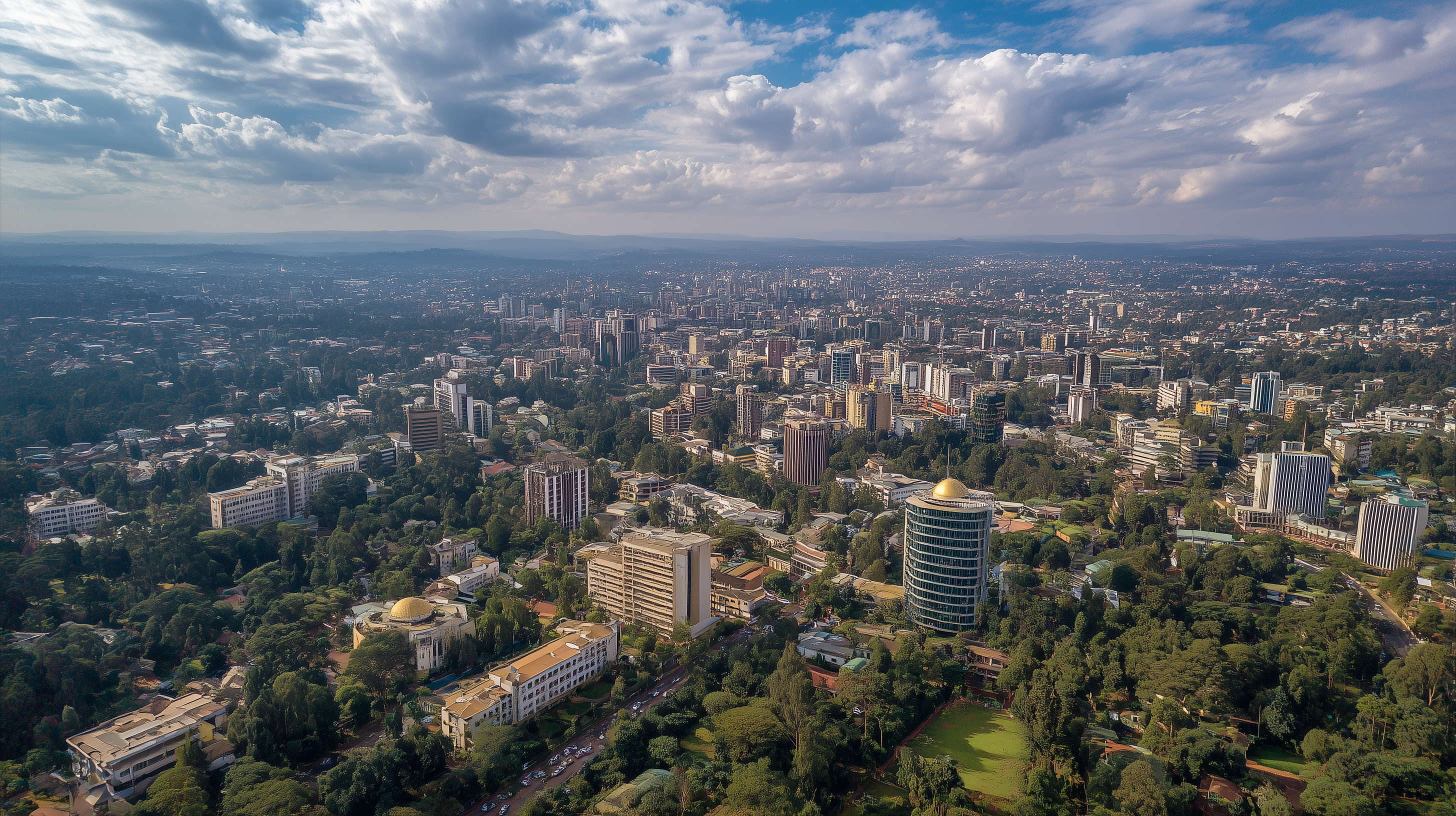
Westlands Property Guide: Prices, Lifestyle & Investment (2026)
Complete guide to Westlands real estate. Apartments from KES 8M, rental yields 6-8%, plus lifestyle amenities. Browse verified Westlands listings today.
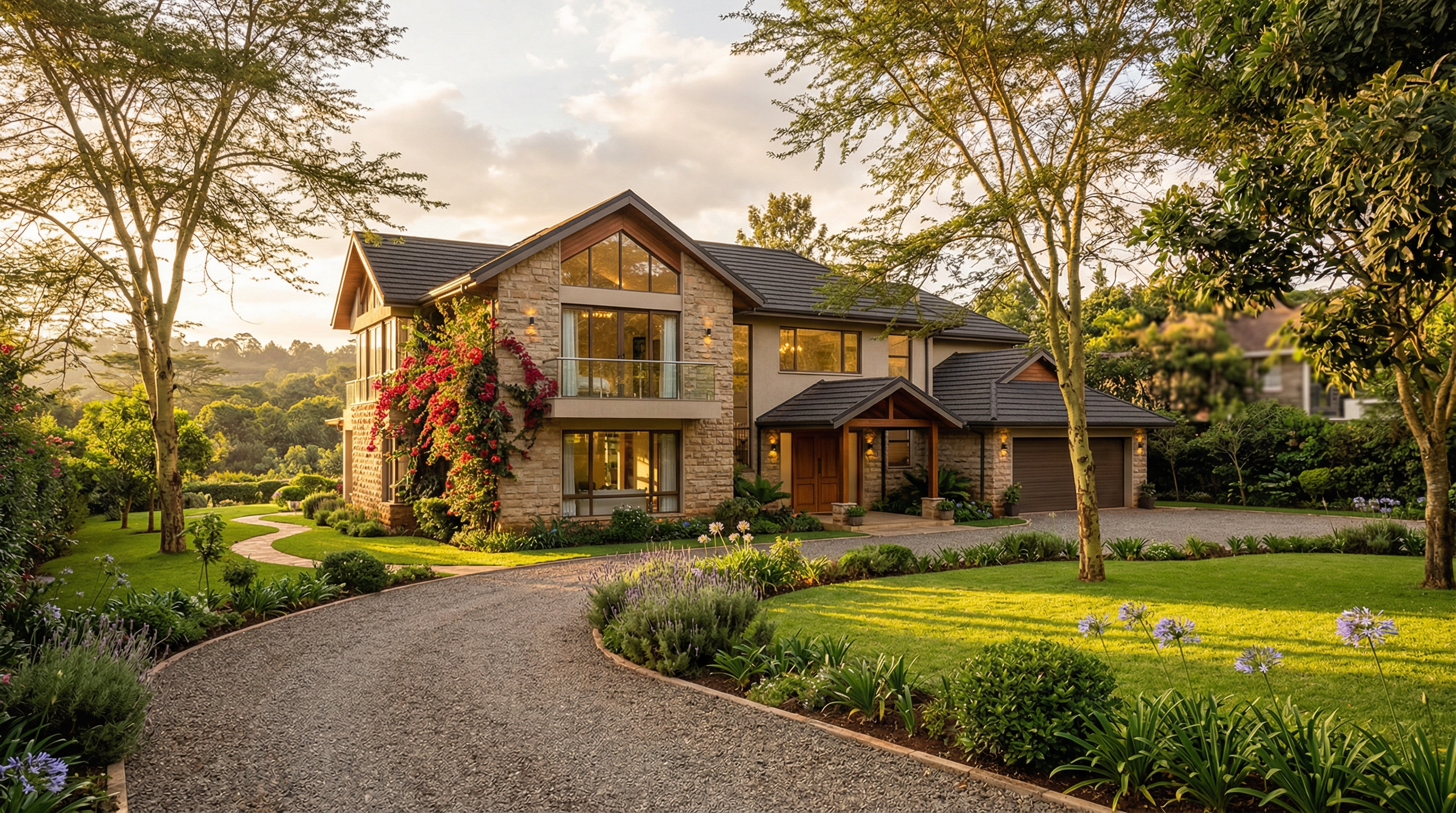
Houses for Sale in Karen: Price Guide 2026
Karen house prices from KES 35M–250M+. 4-bedroom, 5-bedroom, villas. Karen Hardy, Ndege Road, budget breakdown. Updated March 2026.