
Best Neighborhoods in Nairobi for Young Professionals: Ranked by Rent, Commute, and Lifestyle
Where should young professionals live in Nairobi? 9 areas ranked by rent, commute, social scene, and internet. From Kilimani to Syokimau — honest guide for 2026
Where Young Professionals Actually Live in Nairobi — and Why
Choosing where to live in Nairobi as a young professional is a decision that shapes your daily commute, your social life, your savings rate, and your overall experience of the city. The wrong neighbourhood can mean 90-minute traffic every morning, isolation from friends and after-work life, or rent that eats your entire salary. The right one puts you within walking distance of work, restaurants, and a gym — with enough left over each month to actually build a future.
This guide ranks the best neighbourhoods in Nairobi for young professionals in 2026, based on what actually matters: commute time, rent affordability, social infrastructure, internet quality, safety, and that harder-to-define quality of whether the area feels like a place where people in their 20s and 30s want to be.
For a broader neighbourhood overview, see our best areas to live in Nairobi guide. For the complete rental process, our rental guide walks you through every step.
The Top Neighbourhoods Ranked
1. Kilimani — The Default Choice for a Reason
Kilimani has become Nairobi's de facto neighbourhood for young professionals, and the reasons are straightforward: it is central, walkable, and offers more apartment options per square kilometre than anywhere else in the city. Yaya Centre and Junction Mall are within walking distance for most residents. Restaurants, coffee shops, and co-working spaces are dense. Multiple matatu routes pass through, and ride-hailing is fast due to the central location.
Factor | Details |
|---|---|
Rent (1BR) | KES 25,000–45,000 |
Rent (2BR, sharing) | KES 40,000–70,000 (KES 20,000–35,000 per person) |
Commute to CBD | 10–30 min (depending on time of day) |
Commute to Westlands | 10–25 min |
Fibre internet | Widely available (Safaricom, Zuku, Faiba) |
Social scene | Restaurants, rooftop bars, cafés, gyms — all walkable |
Safety | Generally safe in gated buildings; petty crime on some streets after dark |
The catch: Parts of Kilimani — particularly along Ngong Road — are oversupplied with apartments, some of lower build quality. Noise from nightlife venues affects some blocks. And traffic on Ring Road Kilimani during rush hour is brutal. Choose your specific building carefully. For full area analysis, see our Kilimani guide.
2. Westlands — For the Social and Ambitious
If your career and social life revolve around Nairobi's business district, Westlands puts you at the centre of it. Sarit Centre, The Oval, Delta Towers — the corporate offices, restaurants, and nightlife of Westlands are unmatched. This is where after-work drinks happen, where weekend brunches are packed, and where the fastest internet in Nairobi lives.
Factor | Details |
|---|---|
Rent (1BR) | KES 35,000–65,000 |
Rent (studio) | KES 25,000–40,000 |
Commute to CBD | 10–20 min off-peak; 30–60 min rush hour |
Fibre internet | Excellent — multiple providers, high speeds |
Social scene | The best in Nairobi — bars, restaurants, clubs, malls |
Safety | Good in gated buildings; some street crime, especially at night |
The catch: More expensive than Kilimani for comparable units. Nightlife noise is a real issue — check if your building is near a club before signing. HassConsult Q1 2026 data shows Westlands apartment prices dropped 2.8% QoQ, suggesting oversupply in some segments, which could work in your favour for rent negotiation. See our Westlands guide.
3. South B / South C — Affordable and Underrated
South B and South C are where Nairobi's young professionals have lived for decades — before Kilimani became trendy. The areas offer significantly lower rent than Kilimani or Westlands, with a strong community feel, good matatu access to CBD and Industrial Area, and growing restaurant and café options.
Factor | Details |
|---|---|
Rent (1BR) | KES 15,000–30,000 |
Rent (2BR) | KES 25,000–45,000 |
Commute to CBD | 15–30 min |
Commute to Upper Hill | 10–20 min |
Fibre internet | Available in newer buildings; patchy in older stock |
Social scene | Growing — Capital Centre mall, local restaurants, gyms |
Safety | Mixed — better in gated complexes, less predictable on quieter streets |
The catch: Older housing stock in some areas. Infrastructure (roads, drainage) can be poor outside main routes. Less walkable than Kilimani — you will rely on matatus or ride-hailing more.
4. Parklands — Value With Character
Parklands offers cultural diversity (one of Nairobi's most cosmopolitan areas), excellent food (the best Indian restaurants in East Africa), and rents that are noticeably lower than Kilimani for equivalent apartments. Proximity to Aga Khan Hospital is a bonus, and the Highridge / Parklands corridor connects easily to Westlands and CBD.
Factor | Details |
|---|---|
Rent (1BR) | KES 20,000–40,000 |
Rent (2BR) | KES 35,000–60,000 |
Commute to CBD | 10–25 min |
Commute to Westlands | 5–15 min |
Fibre internet | Good availability |
Social scene | Restaurant-focused (especially Parklands 1st–3rd Avenue), less nightlife |
Safety | Reasonable in the avenues; some pockets require caution |
The catch: Some buildings are dated. Parking can be difficult. Less "trendy" than Kilimani — which is either a negative or a positive depending on your personality. See our Parklands guide.
5. Langata — Space and Nature on a Budget
If you prioritise green space, proximity to Nairobi National Park, and a slower pace over nightlife and walkability, Langata offers more space for your money. The area is popular with young professionals who work in Karen, along Langata Road, or who simply prefer quieter evenings and weekend access to nature.
Factor | Details |
|---|---|
Rent (1BR) | KES 18,000–35,000 |
Rent (2BR) | KES 30,000–50,000 |
Commute to CBD | 25–50 min (heavily traffic-dependent) |
Fibre internet | Available in many newer developments |
Social scene | More relaxed — Galleria Mall, local cafés, outdoor activities |
Safety | Good in gated estates; quieter streets after dark |
The catch: Commute to CBD or Westlands can be long during rush hour. Less public transport coverage than Kilimani. Car-dependent for many errands. See our Langata guide.
6. Ruaka — The Budget Smart Choice
Ruaka has emerged as the go-to satellite town for young professionals priced out of Kilimani and Kileleshwa. Modern apartment buildings with amenities (gym, pool, fibre internet) at significantly lower rents. The trade-off is commute time — Ruaka to Westlands takes 20–45 minutes depending on traffic.
Factor | Details |
|---|---|
Rent (1BR) | KES 12,000–22,000 |
Rent (2BR) | KES 18,000–35,000 |
Commute to Westlands | 20–45 min |
Fibre internet | Good — many new buildings are fibre-connected |
Social scene | Growing — new restaurants and shops, but still developing |
Safety | Good in gated complexes |
The catch: Infrastructure is still catching up with development. Traffic on Limuru Road can be severe. Limited nightlife — you will need to go to Westlands or Kilimani for evenings out. See our Ruaka guide.
7. Syokimau — The SGR Commuter Option
Syokimau offers the lowest rents of any area on this list — combined with the advantage of the SGR commuter train to Nairobi CBD. If you work near the central train station and can time your commute to the train schedule, Syokimau gives you modern apartments at satellite town prices with a reliable, traffic-free commute.
Factor | Details |
|---|---|
Rent (1BR) | KES 10,000–18,000 |
Rent (2BR) | KES 15,000–28,000 |
Commute to CBD (SGR) | 15–20 min (train) + walk to station |
Fibre internet | Available in newer developments |
Social scene | Limited — malls and local restaurants; major outings require travel |
Safety | Good in gated estates |
The catch: SGR train schedule is limited — miss the train and you are on Mombasa Road traffic. Social life requires travel. Fewer amenities within walking distance.
Honourable Mention: Kileleshwa — The Quiet Upgrade
Kileleshwa sits between Kilimani and Westlands geographically and in character. It is quieter and leafier than both, with fewer restaurants and bars but more green space and lower noise levels. For young professionals who want a quality apartment in a central location without the hustle of Kilimani's busier blocks, Kileleshwa is the upgrade — at a slight premium.
Factor | Details |
|---|---|
Rent (1BR) | KES 30,000–50,000 |
Rent (2BR) | KES 45,000–75,000 |
Commute to CBD | 15–35 min |
Commute to Westlands | 10–20 min |
Fibre internet | Widely available |
Social scene | Quieter than Kilimani — good restaurants but fewer bars and nightlife options |
Safety | Good — many gated compounds, well-lit main roads |
The catch: Higher rent than Kilimani for equivalent apartments. Less walkable nightlife — you will Uber to Westlands for evenings out. Land prices are among the highest in Nairobi (KES 336.2M/acre per HassConsult Q1 2026), which keeps apartment purchase prices elevated. See our Kileleshwa guide.
Budget Option: Roysambu — Maximum Savings Near Thika Road
For young professionals on the tightest budgets — recent graduates, those starting their first job, or anyone prioritising savings over lifestyle — Roysambu along the Thika Superhighway offers bedsitters from KES 8,000 and 1BR apartments from KES 13,000. Garden City Mall provides modern shopping and entertainment. Matatu fares to CBD are KES 30–70. The trade-off is a long commute (30–60+ minutes), older housing stock in some areas, and a social scene that caters more to students than professionals.
The Comparison Table
Neighbourhood | 1BR Rent (KES) | Commute to CBD | Social Scene | Internet | Safety | Best For |
|---|---|---|---|---|---|---|
Kilimani | 25,000–45,000 | 10–30 min | ★★★★★ | ★★★★★ | ★★★★ | Central location, walkable lifestyle |
Westlands | 35,000–65,000 | 10–20 min | ★★★★★ | ★★★★★ | ★★★★ | Business hub, nightlife, networking |
South B/C | 15,000–30,000 | 15–30 min | ★★★ | ★★★ | ★★★ | Budget-friendly, community feel |
Parklands | 20,000–40,000 | 10–25 min | ★★★★ | ★★★★ | ★★★ | Food lovers, value seekers, diversity |
Langata | 18,000–35,000 | 25–50 min | ★★★ | ★★★★ | ★★★★ | Nature lovers, space seekers, Karen workers |
Ruaka | 12,000–22,000 | 30–60 min (CBD) | ★★ | ★★★★ | ★★★★ | Maximum savings, modern apartments |
Syokimau | 10,000–18,000 | 15–20 min (SGR) | ★★ | ★★★ | ★★★★ | SGR commuters, budget-maximisers |
How to Choose: Decision Framework
Your Priority | Best Choice | Why |
|---|---|---|
Walkability + social life | Kilimani or Westlands | Most things within walking distance; vibrant after-work scene |
Lowest possible rent | Syokimau or Ruaka | Modern apartments at half the price of Kilimani |
Best value (rent vs lifestyle) | South B/C or Parklands | Reasonable rent, good access, growing amenities |
Shortest commute to Westlands CBD | Westlands or Parklands | Walking distance or 5–15 minute matatu ride |
Shortest commute to Nairobi CBD | Kilimani, South B/C, or Syokimau (SGR) | 10–20 minutes to the centre |
Work from home / remote work | Kilimani or Kileleshwa | Fast fibre, co-working spaces, walkable for lunch breaks |
Space and quiet | Langata or Ruaka | Larger units, green surroundings, lower density |
Maximum savings (building towards buying) | Syokimau, Ruaka, or Roysambu | Save KES 15,000–25,000/month vs Kilimani rents |
The savings calculation: Living in Ruaka (KES 15,000/month) instead of Kilimani (KES 35,000/month) saves you KES 240,000/year. Over 3 years, that is KES 720,000 — a meaningful contribution towards a deposit on your own property. If your commute is manageable, the satellite town option can accelerate your path to homeownership. See our first-time buyer guide for next steps.
Practical Tips for Young Professionals Renting in Nairobi
Flatsharing works. Sharing a 2-bedroom apartment in Kilimani at KES 50,000 costs KES 25,000 each — cheaper than a solo 1BR and you get more space. Many young professionals share in their first 1–2 years.
Negotiate your rent. In areas with oversupply (Kilimani, Westlands), landlords will negotiate — especially if you commit to a 12+ month lease. See our negotiation guide.
Check the actual commute. Drive or ride a matatu from the apartment to your workplace during peak hours (7:30 AM) before signing a lease. Google Maps estimated times are often optimistic.
Prioritise fibre internet. If you work remotely or hybrid, reliable internet is non-negotiable. Ask current tenants about actual speeds, not what the ISP promises.
Budget beyond rent. Add service charge (KES 3,000–10,000), electricity (KES 2,000–4,000), internet (KES 2,500–5,000), and transport. Your total monthly housing cost is 30–50% more than the rent alone.
What Young Professionals Get Wrong About Nairobi Housing
"I'll live in Kilimani because everyone does." Kilimani works for many people, but not all of it is equal. The block facing Ngong Road at KES 30,000 and the block facing a quiet lane at KES 30,000 are completely different living experiences. Visit before signing.
"I need to live alone." Flatsharing in your first 1–2 years lets you afford a better location and save towards a deposit on your own place. The social benefit is real too — building a network in a new city is easier when you have a flatmate who introduces you to people.
"Commute time doesn't matter that much." It does. A 90-minute daily commute is 7.5 hours per week — almost a full working day, every week, spent in traffic. Over a year, that is 390 hours. Calculate the value of that time against the rent savings, and in most cases, paying KES 10,000 more per month for a closer apartment is the financially rational choice.
"Cheap rent is the same as saving money." If cheap rent comes with a KES 8,000/month transport cost and forces you to eat out because there are no nearby supermarkets, your total cost of living may be the same as — or higher than — a moderately priced apartment in a walkable area. Always calculate total monthly cost, not just rent.
Frequently Asked Questions
What is the best neighbourhood in Nairobi for young professionals?
Kilimani is the overall best choice for most young professionals — it balances central location, walkability, social life, and reasonable rents (KES 25,000–45,000 for a 1BR). Westlands is better if you work there and prioritise nightlife. South B/C and Parklands offer better value if you are budget-conscious. Ruaka and Syokimau are best for maximum savings.
How much should a young professional spend on rent in Nairobi?
The standard guideline is no more than 30% of your net income. For a professional earning KES 80,000–120,000/month net, that means KES 24,000–36,000 on rent. But factor in service charge, utilities, and transport — your total housing cost will be KES 35,000–55,000. Many young professionals spend closer to 35–40% of income on housing in their first years, which is manageable if you are not also servicing major debt.
Is it better to live in Kilimani or Westlands?
Kilimani offers slightly lower rents, more apartment options, and a broader range of social amenities. Westlands has better nightlife, faster internet on average, and proximity to major corporate offices. If you work in Westlands and enjoy going out, live in Westlands. If you want more choice and slightly lower costs, Kilimani. Both are excellent for young professionals.
Can I live well in Nairobi on KES 60,000 per month?
Yes, but neighbourhood choice matters enormously. At KES 60,000, you can afford a 1BR in South B (KES 20,000 rent) with KES 40,000 for everything else — comfortable. Or a studio in Kilimani (KES 25,000) with tighter margins. At this budget, satellite towns like Ruaka or Syokimau give you the most space and savings. Kilimani is possible but tight.
Should I share a flat to save money?
Yes, if you find the right flatmate. Sharing a 2BR apartment in Kilimani at KES 50,000 total (KES 25,000 each) gives you more space and a better location than a solo 1BR at the same price. Many young professionals in Nairobi flatshare for their first 1–3 years. The key is finding someone with compatible habits around cleanliness, noise, guests, and rent payment reliability.
How do I avoid rental scams as a first-timer in Nairobi?
Three rules: never pay any money before physically viewing the property, never pay cash (use M-Pesa or bank transfer for traceability), and be suspicious of prices significantly below market rate. Work with verified agents on Afriqahome where possible. For the full scam-avoidance guide, see our rental guide.
Explore Further
Browse rental listings in Nairobi — all from verified agents
Find a verified agent — identity-checked and EARB-verified
How to Find a Rental in Nairobi — step-by-step guide
Tenant Rights in Kenya — know your rights
Living in Kilimani · Westlands · Parklands · Langata · Ruaka
First-Time Home Buyer Guide — when renting turns into buying
Other Guides

Living in Juja, Kiambu: The University Town That Became a Satellite City — Prices, Estates & Honest Guide (2026)
Juja houses from KSh 1.2M, rent from KSh 2.5K. JKUAT area, Kenyatta Road estates, Kalimoni, Witeithie. Student yields 9-15%.

Westlands Property Guide: Prices, Lifestyle & Investment (2026)
Complete guide to Westlands real estate. Apartments from KES 8M, rental yields 6-8%, plus lifestyle amenities. Browse verified Westlands listings today.
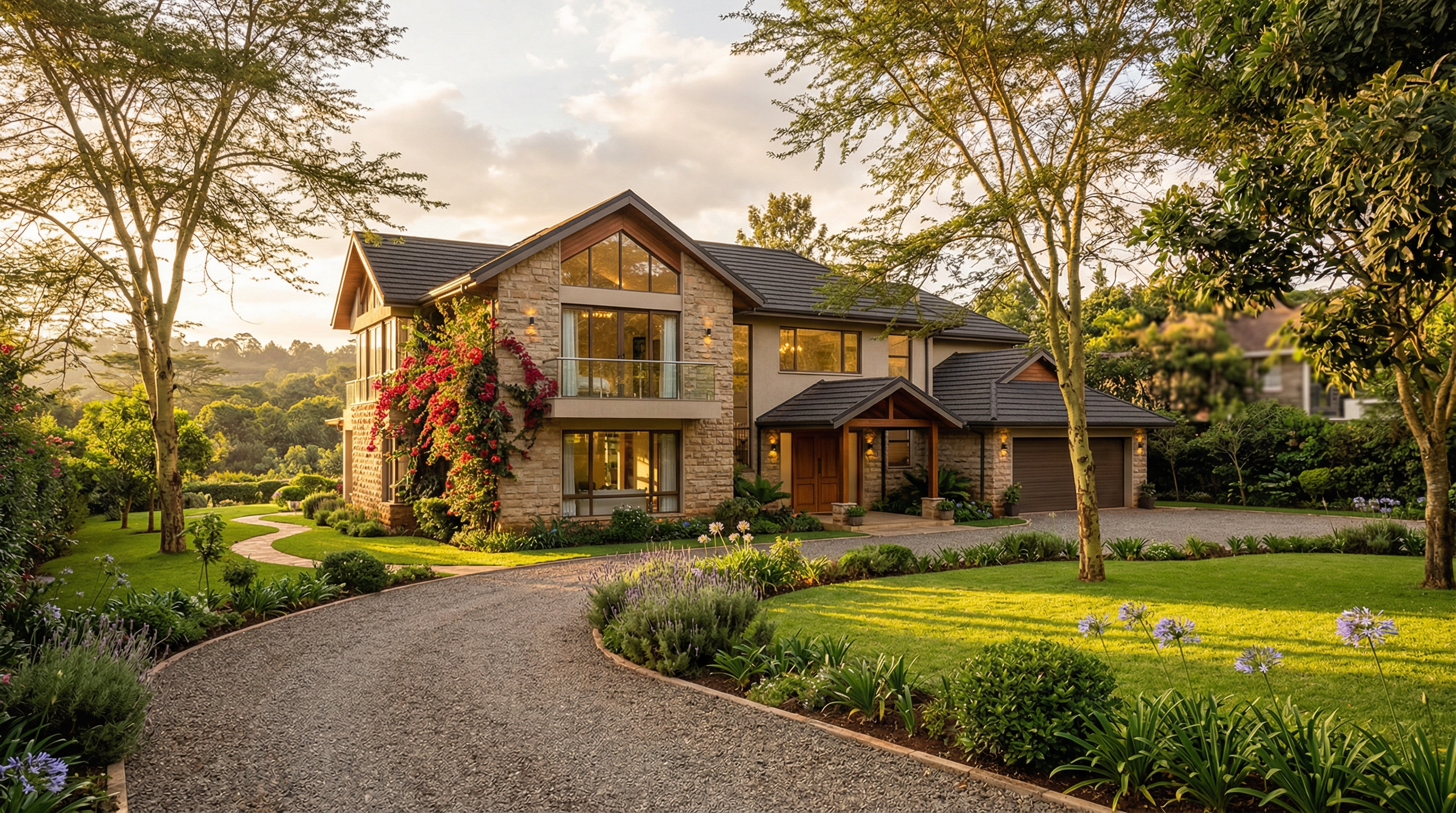
Houses for Sale in Karen: Price Guide 2026
Karen house prices from KES 35M–250M+. 4-bedroom, 5-bedroom, villas. Karen Hardy, Ndege Road, budget breakdown. Updated March 2026.