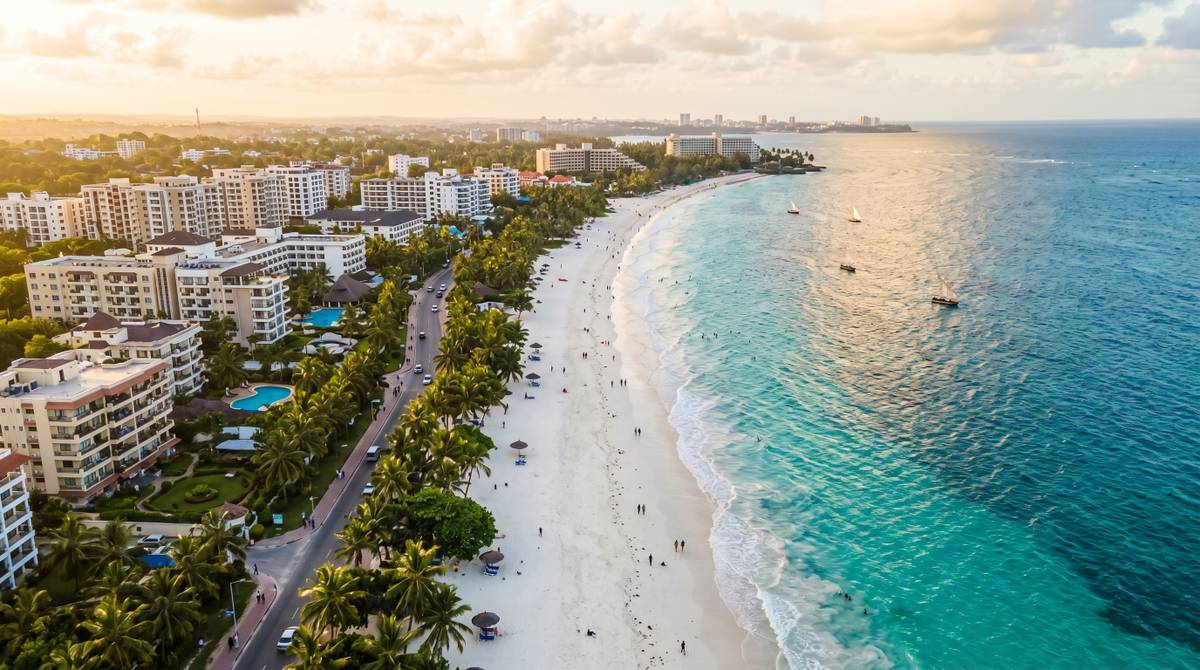
Living in Mombasa: Prices, Neighbourhoods, Lifestyle & Honest Guide (2026)
Kenya's coastal capital: 3-bed Nyali apartments from KSh 48K/month, Airbnb yields in peak season, 5.3% residential returns. Nyali, Kizingo, Tudor guide.
Introduction
Mombasa is Kenya's second city and oldest urban centre — founded around 900 AD, with a population of approximately 1.2 million (2019 census) and a metropolitan area of 3.5 million. It is fundamentally different from Nairobi. Where Nairobi is a highland business capital at 1,700 metres elevation, Mombasa is a coastal port city at sea level, shaped by the Indian Ocean, the Kilindini Harbour, Swahili trading history, and a tropical climate that defines everything from building design to daily routine.
For property buyers, Mombasa offers something Nairobi cannot: ocean proximity, beach lifestyle, and a slower pace — at prices that are often 30–50% below equivalent Nairobi properties. A 3-bed apartment in Nyali rents from KSh 48,000/month with sea views. Off-plan 1-bed apartments in Greenwood Nyali start at KSh 5.8M. But Mombasa also comes with infrastructure challenges that Nairobi has largely addressed — water supply, road quality, and humidity-driven maintenance costs that buyers from upcountry consistently underestimate.
Quick Facts
Detail | Mombasa |
|---|---|
County | Mombasa County (Kenya's smallest by area: 230 km²) |
Population | ~1.2 million (city), ~3.5 million (metro) |
Economy | Port (East Africa's largest), tourism, manufacturing, logistics |
Climate | Tropical — hot and humid year-round (avg 26–30°C), cooler June–August |
Airport | Moi International Airport (MBA) — domestic + international flights |
SGR | Mombasa Terminus → Nairobi (4.5 hours, from KSh 1,000) |
Apartment prices (sale) | KSh 3.9M–18.7M (avg KSh 18.7M per BuyRentKenya) |
Rental range | KSh 15,000–180,000/month |
Residential rental yield | ~5.3% gross (Cytonn data); tourism-boosted units higher |
Key residential areas | Nyali, Kizingo, Tudor, Bamburi, Shanzu |
Property Prices in Mombasa (2026)
Apartments for Sale
Type | Price Range (KSh) | Location / Notes |
|---|---|---|
1-bed apartment | 5.8M–6.5M | Off-plan Nyali (Greenwood, Exotica Heights); completed from KSh 6.5M |
2-bed apartment | 7.9M–14.5M | Nyali off-plan from KSh 7.9M; completed Old Nyali from KSh 14.5M |
3-bed apartment | 9.5M–17M | New builds with pool/lift KSh 9.5M–17M; sea view premium |
4-bed apartment | 15.8M–25M+ | Premium Nyali developments |
5-bed villa | 45M–265M | Beachfront Nyali from KSh 45M; Shanzu creek-front from KSh 165M |
Rental Prices
Unit Type | Rent (KSh/month) | Notes |
|---|---|---|
1-bed apartment | 18,000–70,000 | Bamburi/Utange from KSh 18K; furnished Nyali KSh 70K |
2-bed apartment | 30,000–70,000 | Nyali sea view from KSh 42K; furnished from KSh 70K |
3-bed apartment | 48,000–180,000 | Nyali Links Rd from KSh 48K; premium furnished KSh 150K–180K |
4-bed apartment | 90,000–150,000 | Nyali with lift and parking |
Airbnb/short-stay (per night) | 5,500–15,000 | Furnished units in Nyali; significant income during peak tourism |
Airbnb factor: Unlike Nairobi, Mombasa has a significant short-term rental market driven by tourism. Many apartment developments explicitly allow Airbnb, and some investors buy specifically for short-stay income. A 2-bed furnished apartment in Nyali can earn KSh 5,500–8,000/night during peak season (December–March, July–August), significantly outperforming long-term rental yields during those months.
Neighbourhoods
Nyali
The primary residential and investment destination in Mombasa. Located on the mainland north of Mombasa Island, connected by the New Nyali Bridge. Nyali is divided into Old Nyali (established, upmarket, closer to the beach, larger plots, villas from KSh 45M) and New Nyali (newer apartment developments, more affordable, KSh 5.8M–17M). City Mall, Nyali Cinemax, numerous restaurants, international schools, and the Nyali Golf & Country Club are all here. Self-contained — many residents rarely cross the bridge to the island. Beach hotels line the Nyali Beach strip. This is where most off-plan investment activity is concentrated in 2026.
Kizingo
The prime residential area on Mombasa Island — home to the State House, Provincial HQ, Mombasa Law Courts, and prestigious schools (Aga Khan Academy, Coast Academy). Kizingo is where Mombasa's establishment lives: diplomats, senior officials, long-standing coastal families. Land prices are the highest in Mombasa (KSh 244.6M per acre). Properties are large, often colonial-era houses on generous compounds. Not where most buyers enter the market, but the benchmark for Mombasa's premium segment.
Tudor
A middle-class residential area on the mainland west of the island, accessible via the Makupa Causeway. Home to the Technical University of Mombasa (TUM). Tudor offers more affordable apartments and houses than Nyali, with occupancy rates around 89% — indicating strong demand from the working population. 2-bed apartments rent from approximately KSh 20,000–35,000/month. The area has infrastructure challenges (water supply, older buildings) but represents value for budget-conscious renters and investors targeting high-occupancy lower-mid-end units.
Bamburi
North of Nyali along the coastal road toward Mtwapa. Known for the Bamburi Cement factory (East Africa's largest), Haller Park (wildlife sanctuary built on a rehabilitated quarry), and the Jomo Kenyatta Public Beach ("Pirates Beach"). A mix of residential estates, beach hotels, and commercial activity. More affordable than Nyali — 1-bed apartments from KSh 18,000/month. New developments in Kiembeni (Blue Estate area) offer 3-bed maisonettes at accessible prices. Bamburi attracts both local renters and budget tourists.
Shanzu
Further north along the coast, known for beach resorts and upmarket residential compounds. Shanzu offers a quieter, more resort-like environment than Nyali. Premium villas with creek views from KSh 120M–265M at the top end; more modest apartments and houses available at lower price points. The area benefits from proximity to both the beach and Mombasa's northern infrastructure corridor.
Mombasa Old Town / CBD
The historic heart of the city on Mombasa Island. Fort Jesus (UNESCO World Heritage Site), narrow streets with Swahili architecture, the Old Harbour, mosques, and markets. Since 2018, all buildings in the Old Town and CBD must be painted white with Egyptian blue trim — creating a distinctive visual identity. Not a residential target for most buyers, but culturally important and increasingly a tourism draw. Commercial property and small-scale retail are the main real estate opportunities here.
Likoni
South of Mombasa Island, accessible only by the Likoni Ferry (the planned Mombasa Gate Bridge would change this). Lower-income residential area with affordable housing but infrastructure challenges — water scarcity, older settlements, and ferry dependence for commuting. Not typically recommended for investment unless the Gate Bridge is confirmed and a timeline is established.
What It Is Like to Live in Mombasa
Living in Mombasa means accepting a fundamentally different rhythm than Nairobi. The heat and humidity (26–30°C year-round, with humidity regularly above 70%) shape everything: air conditioning is not a luxury but a near-necessity in most apartments, electricity costs are higher, and buildings require more maintenance due to salt-air corrosion. The cooler months (June–August) are the most comfortable, with evening temperatures dropping to 22–24°C.
The economy is built on three pillars: the Port of Mombasa (East Africa's busiest, handling cargo for Kenya, Uganda, Rwanda, DRC, and beyond), tourism (beach hotels, Fort Jesus, marine parks), and the service sector. Employment is concentrated in these sectors, which means the market is sensitive to global shipping volumes and tourist arrivals. COVID-19 demonstrated this vulnerability — Mombasa's hospitality sector was hit harder and recovered more slowly than Nairobi's diversified economy.
Transport is defined by the island geography. The Nyali Bridge, Likoni Ferry, and Makupa Causeway are the only connections between the island and the mainland — and all three experience congestion. The SGR (Standard Gauge Railway) connects Mombasa to Nairobi in approximately 4.5 hours (from KSh 1,000 economy class), providing a genuine alternative to the 8-hour road journey or flights. Within Mombasa, matatus, tuk-tuks, and boda bodas are the primary transport modes.
The Swahili coastal culture is distinctly different from Nairobi's highland Kikuyu/Luo/Luhya-dominated social landscape. Mombasa is more relaxed, more multicultural (Mijikenda, Swahili, Arab, Indian, and Kamba communities), and operates on a slower tempo. Ramadan is observed visibly. Friday prayers significantly affect midday traffic. The food culture is coastal — biryani, pilau, mahamri, and fresh seafood are staples, not options.
For families, Mombasa offers excellent schools (Aga Khan Academy, Mombasa Academy, Braeburn, Light Academy) and a lifestyle that many describe as more relaxed and family-friendly than Nairobi. For young professionals, the career opportunities are narrower — Mombasa's corporate sector is smaller, and many professionals commute to Nairobi for meetings or maintain remote arrangements.
Pros and Cons
Pros
Coastal lifestyle: Beach access, ocean views, tropical climate, and a pace of life that prioritises quality over hustle.
Airbnb/tourism income: Tourism-driven short-term rental demand creates income opportunities that do not exist in Nairobi. Peak-season nightly rates of KSh 5,500–15,000 can significantly boost annual yields.
Port economy: East Africa's busiest port provides a stable economic base independent of Nairobi.
Lower entry prices: Apartments and houses are generally 20–40% cheaper than Nairobi equivalents, particularly in Bamburi and Tudor.
SGR connectivity: The 4.5-hour SGR connection to Nairobi makes dual-city living feasible.
Cultural richness: UNESCO World Heritage sites, Swahili architecture, coastal cuisine, and a multicultural community.
Cons
Heat and humidity: Not a minor inconvenience — it affects daily comfort, electricity costs (air conditioning), building maintenance (salt-air corrosion, mould), and lifestyle choices. Buyers from Nairobi consistently underestimate this.
Water supply: Mombasa has chronic water shortages. Many residential areas depend on boreholes, water tankers, or erratic county supply. Budget KSh 3,000–8,000/month for supplementary water in areas without reliable piped supply.
Bridge/ferry bottlenecks: The island geography creates transport choke points. The Nyali Bridge and Makupa Causeway are congested during rush hours. The Likoni Ferry is a daily ordeal for south-coast residents. The planned Mombasa Gate Bridge would ease this but has no confirmed completion date.
Narrower job market: Mombasa's economy is concentrated in port, tourism, and services. Professional career options are more limited than Nairobi. Many skilled workers maintain Nairobi ties or work remotely.
Tourism seasonality: Short-term rental income fluctuates significantly with tourist seasons. Peak (December–March, July–August) can be excellent; low season (April–June) can see vacancy rates spike. Investors should model on annual averages, not peak-season projections.
Maintenance costs: Salt air accelerates corrosion of metalwork, fittings, and electronics. Buildings require more frequent painting, AC servicing, and replacement of fixtures than upcountry properties. Factor 15–20% higher annual maintenance costs compared to Nairobi.
Getting Around
Route | Mode | Time |
|---|---|---|
Mombasa → Nairobi | SGR | ~4.5 hours (from KSh 1,000) |
Mombasa → Nairobi | Flight (MBA–NBO) | ~1 hour (from KSh 4,000) |
Mombasa → Nairobi | Road (A109) | ~7–8 hours |
Nyali → Mombasa CBD | Car via Nyali Bridge | 15–30 min (traffic-dependent) |
Likoni → Mombasa CBD | Likoni Ferry | 20–45 min (including wait) |
Bamburi → Nyali | Car/matatu | 10–20 min |
Mombasa → Diani Beach | Car via Likoni Ferry | 1–1.5 hours |
Investment Outlook
What is working
Mombasa's residential market recorded average rental yields of 5.3% and price appreciation of 7.2% according to Cytonn data. The lower-mid-end segment (Tudor, Bamburi, select Nyali areas) outperforms with total returns of 6.7%, driven by high occupancy rates (89%) from the working population. The short-term rental market adds a layer of yield that does not exist in most Nairobi neighbourhoods.
Infrastructure investment continues: the Mombasa West Integrated Urban Roads Network Project, the planned Mombasa Gate Bridge, and port expansion at Kilindini are all tailwinds for property values. Land prices in prime areas (Nyali, Kizingo) have grown at a 2-year compound annual rate of 12.6%.
What to watch
High-end oversupply: the premium segment (KSh 15M+) recorded the lowest returns (4.1%) with occupancy of just 62%. Investors at the high end need to differentiate on amenities and management or accept lower yields. The lower-mid-end segment consistently outperforms.
Tourism dependency: any factor that reduces tourist arrivals — security concerns, global recession, pandemic — directly affects short-term rental income. Model conservatively and do not assume peak-season rates will hold year-round.
For diaspora investors
Mombasa is attractive for diaspora investors seeking a holiday home that doubles as a rental property during absences. A 2-bed furnished apartment in Nyali at KSh 7.9M–14.5M (approximately $60K–$112K) can generate Airbnb income during tourist seasons and serve as personal accommodation during visits. Key: hire a reliable property management company — managing a short-term rental remotely requires professional support. Verify all titles on Ardhisasa and work with verified agents.
For country-specific buying guidance: USA · UK · UAE · Canada.
Frequently Asked Questions
Is Mombasa a good place to invest in property in 2026?
Yes — particularly in the lower-mid-end segment (Tudor, Bamburi, select Nyali) where occupancy rates exceed 89% and total returns average 6.7%. Short-term rental income from tourism adds a yield layer absent in most Nairobi areas. The high-end segment (KSh 15M+) has lower returns due to oversupply and should be approached cautiously.
How much does a 2-bedroom apartment cost in Nyali?
Off-plan: from KSh 7.9M (Greenwood Nyali, 2026 groundbreaking). Completed: from KSh 14.5M (Old Nyali, sea view). Rentals: KSh 42,000–70,000/month depending on furnishing and views. Furnished Airbnb units from KSh 5,500/night during peak season.
Is the water supply reliable in Mombasa?
No — Mombasa has chronic water supply challenges. Many residential areas depend on boreholes, water tankers, or intermittent county supply. Budget KSh 3,000–8,000/month for supplementary water. Newer developments in Nyali and Shanzu with borehole and storage systems are more reliable than older buildings or island properties.
How hot is Mombasa?
Average temperatures range 26–30°C year-round with humidity frequently above 70%. The coolest period is June–August (evenings 22–24°C). Air conditioning is near-essential for most apartments, adding KSh 5,000–15,000/month to electricity costs. Buyers from Nairobi's highland climate should visit during the hottest months (January–March) before committing.
Can I earn Airbnb income from a Mombasa apartment?
Yes — many Nyali and Shanzu developments explicitly allow short-term rentals. Peak-season nightly rates of KSh 5,500–15,000 for a furnished 2-3 bed apartment are achievable during December–March and July–August. Low season (April–June) sees significantly lower demand. Annual yields should be modelled on blended rates, not peak projections. Professional property management is essential for remote investors.
How do I get from Mombasa to Nairobi?
Three options: SGR train (~4.5 hours, from KSh 1,000), flight (~1 hour, from KSh 4,000), or road (~7–8 hours via A109). The SGR is the most popular choice for regular travel — comfortable, predictable, and significantly cheaper than flying. Moi International Airport handles both domestic and international flights.
Explore Mombasa on Afriqahome
Browse apartments for sale in Mombasa, houses for sale, or apartments for rent from verified agents.
Related guides: Best Areas to Live in Nairobi · Kenya Real Estate Market Report 2026 · How to Buy Land in Kenya · Stamp Duty & Closing Costs · Due Diligence Checklist · Freehold vs Leasehold.
For diaspora investors: Diaspora Investment Hub · Power of Attorney Guide · Common Mistakes Diaspora Buyers Make.
Other Guides
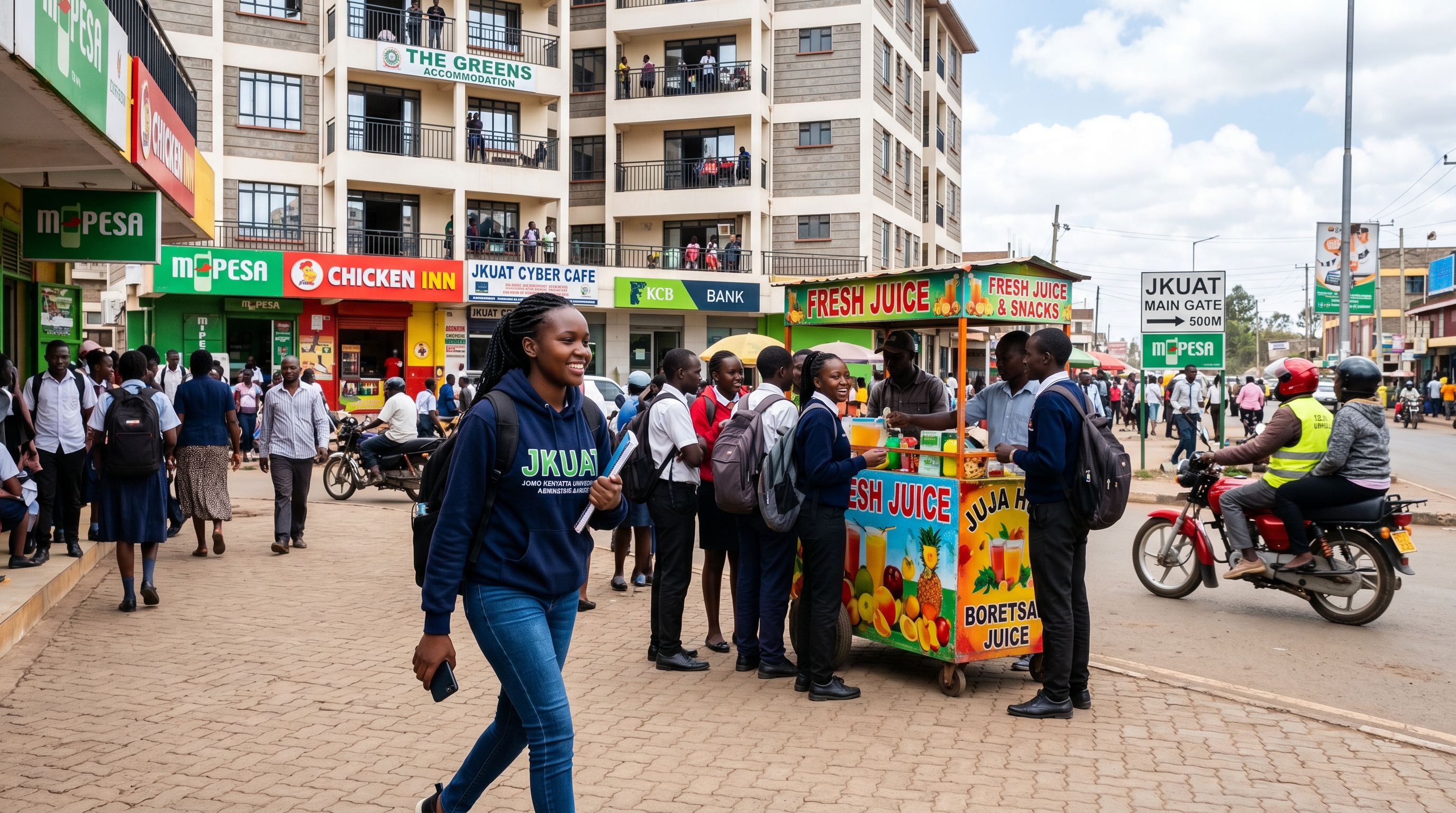
Living in Juja, Kiambu: The University Town That Became a Satellite City — Prices, Estates & Honest Guide (2026)
Juja houses from KSh 1.2M, rent from KSh 2.5K. JKUAT area, Kenyatta Road estates, Kalimoni, Witeithie. Student yields 9-15%.
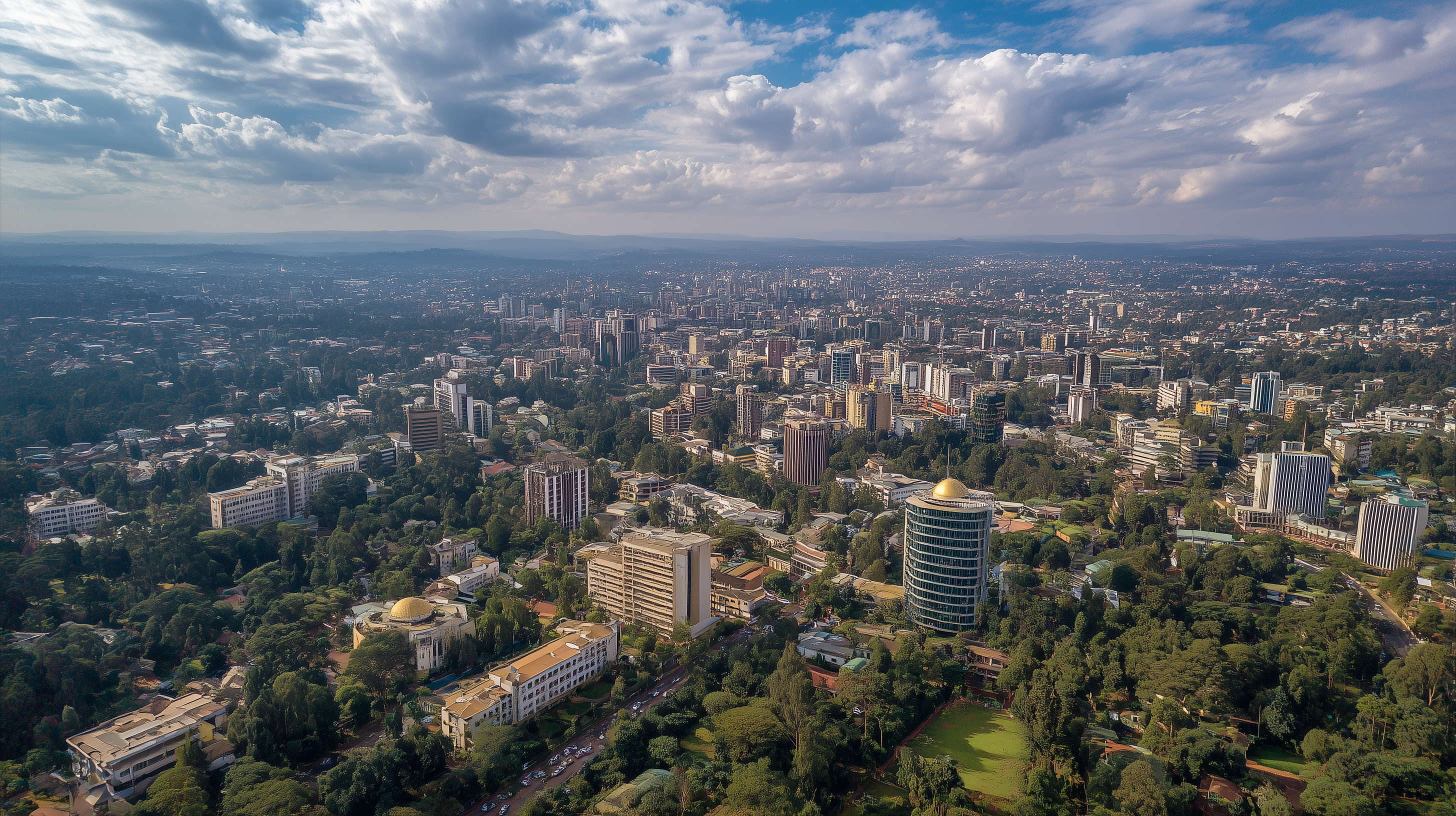
Westlands Property Guide: Prices, Lifestyle & Investment (2026)
Complete guide to Westlands real estate. Apartments from KES 8M, rental yields 6-8%, plus lifestyle amenities. Browse verified Westlands listings today.
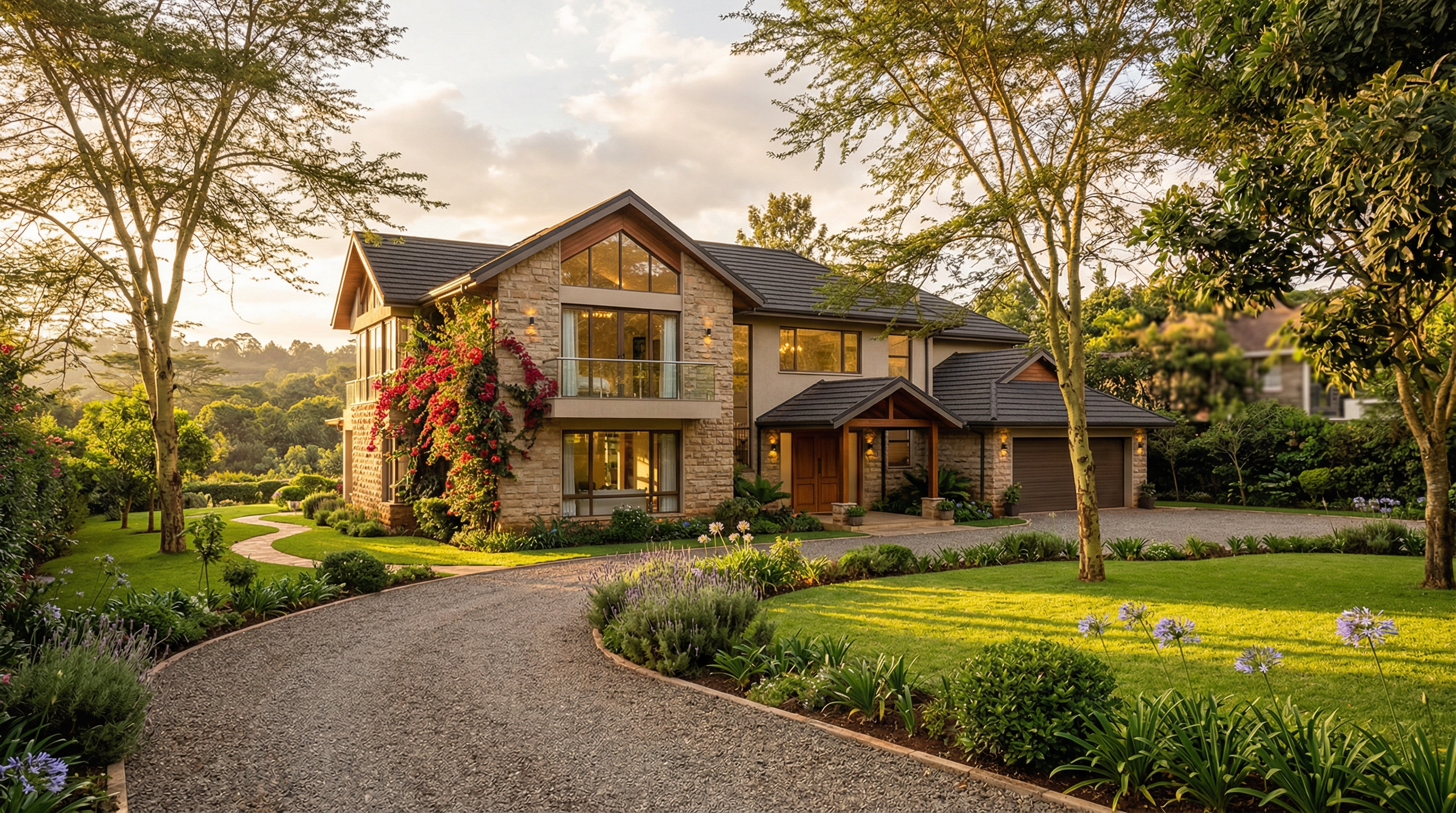
Houses for Sale in Karen: Price Guide 2026
Karen house prices from KES 35M–250M+. 4-bedroom, 5-bedroom, villas. Karen Hardy, Ndege Road, budget breakdown. Updated March 2026.