Westlands Property Guide: Prices, Lifestyle & Investment (2026)
Complete guide to Westlands real estate. Apartments from KES 8M, rental yields 6-8%, plus lifestyle amenities. Browse verified Westlands listings today.
Living in Westlands, Nairobi: The Complete Guide for 2026
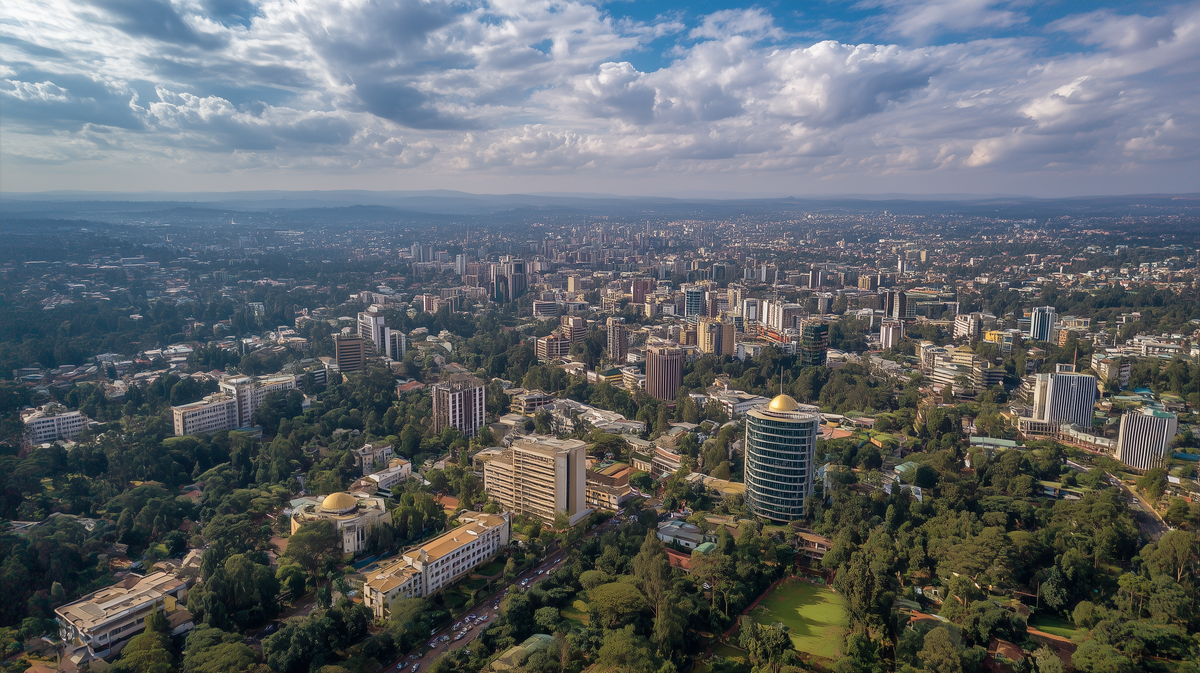
Westlands is the neighbourhood that does not pretend to be something it is not. It is loud, commercial, vertical, and unapologetically urban. Where Karen whispers and Lavington hums, Westlands talks at full volume — and has done so since the mid-2000s, when Nairobi's commercial gravity began shifting northwest from the old CBD.
Today, Westlands is effectively Nairobi's second central business district. The Global Trade Centre — a 43-storey tower that will host JW Marriott, 500+ apartments, and over 11,000 sqm of retail — is reshaping the skyline. Safaricom, Microsoft, and Google have their Kenyan headquarters here. Sarit Centre, the country's first formal retail mall, anchors the commercial heart. The Nairobi Expressway connects Westlands to JKIA airport in under 30 minutes. This is the part of Nairobi where money works.
But Westlands is also where people live. Between the office towers and the malls, a residential market has grown — high-rise apartments with city views, serviced units for corporate tenants, and quieter pockets along General Mathenge and Rhapta Road where the commercial energy drops to a manageable level. The question is not whether Westlands is impressive. The question is whether it is the right place for you to come home to.
This guide covers Westlands as it actually is in 2026: prices drawn from current listings, commute realities, an honest assessment of who thrives here and who does not, and the investment picture that matters to both residents and diaspora buyers.
→ Compare all Nairobi neighbourhoods in our 2026 guide
Westlands at a Glance
Factor | Details |
|---|---|
Location | ~3km northwest of CBD. Waiyaki Way, Ring Road Westlands, and the Nairobi Expressway provide core connectivity. |
Character | Urban, commercial, high-rise. Nairobi's de facto second CBD. Nightlife capital. Mixed-use developments dominate. |
Best For | Corporate professionals, expats, young professionals who want walkable urban life, Airbnb/serviced apartment investors |
1BR Apartment Rent | KES 50,000–120,000/month; Kenya Property Centre median KES 120K |
2BR Apartment Rent | KES 80,000–200,000/month; BuyRentKenya avg KES 170K |
3BR Apartment Rent | KES 130,000–380,000/month |
Apartment Sale Price | KES 5M–43M+; BuyRentKenya avg KES 14.5M for ~115 sqm |
Rental Yield | 6.5–8.5% gross (Sarabi Realty 2025); serviced apartments higher at strong occupancy |
Commute to CBD | 8–15 min off-peak; 20–35 min peak |
Commute to JKIA | 20–30 min via Nairobi Expressway |
Public Transport | Multiple matatu routes along Waiyaki Way to CBD; KES 50–80 fare |
All prices approximate as of early 2026. USD conversions at KES 129 = $1. Confirm current pricing with a verified Westlands agent on Afriqahome.
What Westlands Actually Feels Like
Westlands sits approximately 3 kilometres northwest of the old Nairobi CBD. During the colonial period, it was a quiet residential district for affluent Kenyans and Asian-Kenyan families. That version of Westlands is effectively gone. What replaced it — beginning in the late 1990s when CBD land became scarce and expensive — is a mixed-use commercial and residential district that now functions as Nairobi's economic engine.
The transformation is visible in the skyline. High-rise apartments ranging from 7 to 43 floors dominate the landscape. The Global Trade Centre (GTC), a joint development by Avic International that includes the JW Marriott Hotel, over 500 residential apartments, and 11,592 sqm of retail space, is the most visible symbol of what Westlands has become — and where it is going.
The neighbourhood operates on two levels. At street level, Westlands is commercial: offices, malls, restaurants, bars, corporate headquarters. Safaricom and Google have their Kenyan offices here. Sarit Centre and Westgate Mall anchor the retail scene. The nightlife strip along Woodvale Grove and the surrounding streets is Nairobi's most active — breweries, rooftop bars, international restaurants, and the kind of Friday-night energy that Kilimani can only approximate.
Above street level, Westlands is residential. The apartments that have gone up over the past decade — particularly along General Mathenge Road, Rhapta Road, and the Ring Road Westlands corridor — offer modern finishes, full amenities (pool, gym, generator, fibre), and city views that no other Nairobi neighbourhood can match from equivalent heights. The best units look out over Karura Forest to one side and the city skyline to the other.
The honest tension in Westlands is between its commercial energy and residential livability. It is not a quiet neighbourhood. It will never be a quiet neighbourhood. If you want peace at 10pm on a Tuesday, Westlands is not designed for that. If you want to walk to a world-class restaurant, grab a coffee at a rooftop cafe, and be at your office desk in 10 minutes — Westlands is designed exactly for that.
Areas and Roads to Know
General Mathenge Road is Westlands' most established residential corridor. It runs parallel to Ring Road and hosts a concentration of apartment developments with strong expat appeal. The road has a higher expatriate density than almost any other street in Nairobi — driven by proximity to the UN complex at Gigiri (10–15 minutes), international schools, and the area's commercial amenities. Apartments on General Mathenge tend to command premium rents.
Rhapta Road connects into the core Westlands commercial area and carries a mix of residential apartments and light commercial properties. Several newer developments along Rhapta Road offer modern 2- and 3-bedroom apartments at prices slightly below the General Mathenge premium. The road is more accessible but also noisier.
Ring Road Westlands forms a major transport artery connecting Westlands to Kileleshwa, Parklands, and ultimately the CBD. Properties along Ring Road benefit from connectivity but also face traffic noise. The newer developments along this corridor — including Shangri-la Residency (17 floors, 1–2 bedrooms from KES 90,000/month) — target the mid-market professional segment.
Waiyaki Way is the main east-west artery connecting Westlands to the CBD and to the western suburbs (Lavington, Karen via Ngong Road). It carries the heaviest traffic volume and is the primary matatu corridor. Properties directly on Waiyaki Way are commercial; residential value is on the side streets off it.
The GTC (Global Trade Centre) area is the epicentre of Westlands' transformation. The 43-storey mixed-use tower — with JW Marriott, 500+ apartments, and major retail — will redefine the immediate surrounding property values when fully operational. Properties within walking distance of GTC are already pricing in the uplift.
Brookside / Highridge forms the northern residential fringe of Westlands, bordering Parklands. This area is quieter than core Westlands and offers townhouses (KES 200,000–520,000/month rent) alongside apartments. Families who want Westlands proximity without Westlands intensity often land here.
Peponi Road / Spring Valley on the western edge connects to the Gigiri diplomatic area. This corridor carries a strong expat and diplomatic tenant base, with properties often marketed as "Westlands/Spring Valley." Rental demand from UN and embassy staff is consistent.
Property Prices in Westlands 2026
Westlands is a premium market — the most expensive apartment neighbourhood in Nairobi by average price. The stock is overwhelmingly apartments, ranging from studios to luxury penthouses, with a small townhouse segment in the Brookside/Highridge fringe.
Rental Market — as of early 2026
Unit Type | Monthly Rent (KES) | USD Equivalent | Notes |
|---|---|---|---|
Studio | 40,000–80,000 | $310–$620 | Newer builds with amenities. Growing Airbnb segment. |
1-Bedroom | 50,000–120,000 | $390–$930 | Kenya Property Centre median: KES 120K. Wide range reflects old vs new stock. |
2-Bedroom | 80,000–200,000 | $620–$1,550 | BuyRentKenya avg: KES 170K. PropertyPro avg: KES 120K. Core professional segment. |
3-Bedroom | 130,000–380,000 | $1,010–$2,950 | Family market. General Mathenge premium end. Furnished units up to KES 380K. |
4-Bedroom / Townhouse | 200,000–520,000 | $1,550–$4,030 | Townhouses in Highridge/Brookside. Gated community premium. |
Furnished / Serviced | 120,000–450,000+ | $930–$3,490+ | Strong corporate demand. UN-approved complexes at premium. |
HassConsult's Q4 2025 data shows Westlands average rents stabilised at approximately KES 134,000/month after declining in the first half of 2025. The stabilisation from May onwards, combined with improved occupancy, stopped the sales price decline by Q4.
Sales Market — as of early 2026
Unit Type | Price Range (KES) | USD Equivalent | Notes |
|---|---|---|---|
Studio | 3.5M–6M | $27K–$47K | Off-plan and ready. Entry-level investment. |
1-Bedroom | 5M–13M | $39K–$101K | BuyRentKenya avg: KES 6.77M. Off-plan from KES 5M (Ring Road). |
2-Bedroom | 7M–25M | $54K–$194K | BuyRentKenya avg: KES 12.4M for ~110 sqm. Wide range by floor/location. |
3-Bedroom | 14M–35M+ | $109K–$271K+ | BuyRentKenya avg: KES 18.7M for ~174 sqm. Penthouses higher. |
Overall Average | KES 14.5M | ~$112K | BuyRentKenya avg across all sizes, ~115 sqm. |
Land (per acre) | 300M–420M | $2.3M–$3.3M | Among Nairobi's most expensive. Limited supply. |
Source: BuyRentKenya, Kenya Property Centre, PropertyPro, and developer listings as of early 2026. Browse current Westlands properties for sale on Afriqahome.
Westlands Investment Outlook: 2025–2026 Market Data
Westlands' investment story in 2025 was one of correction — and the data demands honesty.
HassConsult's Q4 2025 Property Index shows Westlands apartment prices fell 11.5% year-on-year — the largest decline of any Nairobi suburb. The cause is clear: the 2013 rental boom (when average rents jumped from KES 91,000 to over KES 115,000 in a single year) triggered successive waves of apartment construction that have been absorbing for over a decade. Rent declines ran from January to April 2025 before stabilising at around KES 134,000 from May onwards. By Q4, improved occupancy had stopped the sales price decline — the quarterly drop narrowed to just 0.5%.
The broader picture is more positive. Sarabi Realty places Westlands' gross yield range at 6.5–8.5%, driven by corporate and expatriate demand. Serviced apartments account for 40.3% of Nairobi's total serviced apartment market, the highest concentration of any suburb. The Nairobi Expressway, operational since 2023, has structurally improved Westlands' airport connectivity — a permanent competitive advantage. And the GTC's completion will add a critical mass of premium commercial and hotel infrastructure that further anchors property values.
Metric | Figure | Source |
|---|---|---|
Annual apartment price change | -11.5% YoY (largest Nairobi decline) | HassConsult Q4 2025 |
Q4 2025 quarterly decline | -0.5% (stabilising) | HassConsult Q4 2025 |
Average rent (stabilised) | KES 134,000/month | HassConsult Q4 2025 |
Gross rental yield | 6.5–8.5% | Sarabi Realty 2025 |
Serviced apartment market share | 40.3% of Nairobi total | Cytonn 2025 |
Average apartment sale price | KES 14.5M (~USD 112K) | BuyRentKenya Feb 2026 |
Land price (per acre) | KES 300–420M | Market data 2025 |
Nairobi-wide rental yield | 7.4% (highest since 2007) | HassConsult Q4 2025 |
What this means for buyers: Westlands' 11.5% price correction creates the clearest entry opportunity in Nairobi's premium market. Rents have stabilised, occupancy is improving, and structural demand drivers (Expressway, GTC, UN office relocations, corporate headquarters) remain intact. The risk is concentrated in generic mid-range stock that competes with oversupplied Kileleshwa. The opportunity is in quality units with views, amenities, and proximity to the GTC/Sarit corridor — these will recover first.
For diaspora investors: Westlands' serviced apartment market is Nairobi's strongest. If you are comfortable with active management (or hiring a property manager), a furnished 1–2 bedroom apartment near GTC or Sarit Centre can generate significantly higher returns than unfurnished long-term letting — but requires more hands-on management than a quiet Lavington or Kileleshwa apartment. Verify any property through Kenya's Ardhisasa system and work with a verified agent.
Who Lives in Westlands
Westlands' resident profile is distinct from every other Nairobi neighbourhood — and understanding it helps you decide whether you belong.
An outstanding 85% of property seekers in Westlands are Kenyan, according to BuyRentKenya data — higher than other prime areas like Kilimani. This reflects Westlands' dual identity: it is both an expatriate hub and a neighbourhood that Kenyan professionals actively choose for its commercial energy and connectivity.
Corporate professionals form the largest segment. Westlands is where people live when their work is their life — or at least when they want the shortest possible distance between the two. The neighbourhood's concentration of corporate headquarters (Safaricom, Microsoft, Google), co-working spaces, and Grade A offices means many residents can walk to work.
Expatriates and UN staff are significant, particularly along General Mathenge and in the Peponi Road corridor. The proximity to Gigiri (15 minutes), combined with Westlands' walkable amenities and nightlife, makes it the preferred base for younger internationals who find Karen too remote and Lavington too quiet.
Short-stay visitors and corporate travellers fill the serviced apartment segment. Westlands' 40.3% share of Nairobi's serviced apartment market reflects genuine demand from business travellers, consultants, and visitors who need hotel-quality accommodation for stays of one week to three months.
Young professionals — both Kenyan and international — who want urban energy, restaurants, and nightlife on their doorstep. This is the segment that keeps Westlands' bars and restaurants full on Thursday and Friday nights.
What Westlands is not: a family neighbourhood, despite the presence of good schools nearby. The noise, the commercial density, and the lack of green space within the neighbourhood itself make it a harder sell for families with young children. Most families who work in Westlands live in Kileleshwa, Lavington, or Karen and commute in.
The Honest Pros of Living in Westlands
Nairobi's Best Connectivity
Westlands is 3km from the CBD, connected to JKIA airport in under 30 minutes via the Nairobi Expressway, and sits at the junction of Waiyaki Way and Ring Road — two of Nairobi's main arteries. No other residential neighbourhood offers this level of multi-directional access. If you travel frequently or have meetings across Nairobi, Westlands minimises your time in transit.
Walkable Urban Life
You can walk from your apartment to Sarit Centre, to a restaurant on Woodvale Grove, to a gym, to a coffee shop, and back without getting in a car. In Nairobi, where most neighbourhoods are car-dependent, this is genuinely distinctive. Westlands is the only Nairobi neighbourhood where a car-free lifestyle is remotely practical for daily needs.
Nairobi's Strongest Nightlife and Dining
International restaurants, craft breweries, rooftop bars, live music venues — Westlands has the highest concentration of dining and entertainment options in East Africa. If social life and after-work options matter to you, nowhere else in Nairobi competes.
Premium Apartment Stock
Westlands' newer developments offer the highest-quality apartments in Nairobi: floor-to-ceiling windows, city or forest views from high floors, modern amenities (heated pools, cinema rooms, co-working spaces), and smart home features. Buildings range from 7 to 43 floors, offering views that simply do not exist in low-rise neighbourhoods.
Strong Rental Demand
The corporate and expatriate tenant base is deep and consistent. Serviced apartments have high occupancy when well-managed. For investors, Westlands offers Nairobi's highest rental yields in the premium segment — 6.5–8.5% gross for well-located units.
Karura Forest on the Doorstep
Karura Forest — 1,041 hectares of indigenous forest — borders Westlands to the north. Apartments along the forest edge have views of unbroken canopy. Weekend cycling, running, and walking in Karura is a genuine lifestyle amenity that offsets Westlands' urban intensity.
The Honest Cons of Living in Westlands
Noise and Commercial Intensity
Westlands is not quiet. It is a commercial district with residential apartments in it, not a residential neighbourhood with some shops. Construction noise, traffic, nightlife, and the general hum of a busy commercial area are the baseline. If you need quiet evenings and weekend mornings, this is the wrong neighbourhood.
Oversupply Has Pressured Prices
The 11.5% annual price decline in 2025 — the largest in Nairobi — reflects genuine oversupply from a decade of construction triggered by the 2013 rental boom. While stabilisation has begun, buyers need to be realistic: generic apartments in average buildings may take years to recover to 2023 peak prices. Quality differentiation matters enormously.
Traffic on Waiyaki Way Is Brutal at Peak
Despite the Expressway, surface-level traffic on Waiyaki Way during peak hours (7–9am, 5–7:30pm) is consistently heavy. If your commute requires Waiyaki Way westbound in the morning or eastbound in the evening, budget 30–45 minutes for what should be a 10-minute drive.
Not a Family Neighbourhood
Despite proximity to good schools (Aga Khan Academy, Nairobi International School), Westlands lacks the green space, quiet streets, and family-oriented infrastructure that characterise Karen, Lavington, or even Kileleshwa. Playgrounds are inside apartment complexes, not in the neighbourhood. Most families with children choose to live elsewhere and commute to Westlands for work.
Higher Cost of Living
Westlands restaurants, cafes, and retail skew upmarket. Grocery options beyond Sarit Centre's Carrefour are limited for value shopping. Service charges in premium buildings run higher than in Kileleshwa or Lavington equivalents. The urban convenience comes with a premium on daily spending.
Security Requires Building-Level Quality
Westlands' commercial activity attracts petty crime at street level — more so than residential-only neighbourhoods. Security within well-managed apartment complexes is strong (24/7 guards, CCTV, controlled access). The gap between building-level security and street-level reality is wider in Westlands than in quieter suburbs. Choose your building carefully.
Westlands vs Nearby Neighbourhoods
Factor | Westlands | Kilimani | Kileleshwa |
|---|---|---|---|
Distance to CBD | ~3km | ~5km | ~6km |
Character | Commercial, high-rise, urban | Dense, residential-commercial | Quiet, residential, green |
Property Type | High-rise apartments dominant | Mid-rise apartments dominant | Apartments dominant |
2BR Apt Rent | KES 80K–200K/mo | KES 65K–130K/mo | KES 55K–100K/mo |
Apt Sale (avg) | KES ~14.5M | KES ~9.4M | KES ~13.4M |
Rental Yield | 6.5–8.5% | 7–9% (quality stock) | 5–7% |
Nightlife | Best in Nairobi | Good — walkable | Very limited |
Noise Level | High | Moderate-high | Low |
Best For | Urban professionals, investors | Balanced urban living | Quiet value-seekers |
Westlands vs Kilimani: Kilimani is more residential and more affordable. Westlands has better connectivity, better nightlife, and higher-quality apartment stock at the premium end. A 2-bedroom in Kilimani rents for KES 65K–130K; the same in Westlands is KES 80K–200K. You pay more in Westlands for the commercial convenience and the views.
Westlands vs Kileleshwa: Kileleshwa is 5–10 minutes from Westlands but feels like a different city. It is quiet, green, and 20–30% cheaper. Many Westlands workers live in Kileleshwa and commute — a practical compromise that gives you Westlands' commercial access with Kileleshwa's residential calm.
Westlands vs Karen: They are opposite philosophies. Karen is space, quiet, and low-density. Westlands is density, energy, and vertical living. The only overlap is price — both are premium markets — and the expat tenant base.
Schools, Hospitals, and Daily Amenities
Schools
Aga Khan Academy Nairobi — IB curriculum; one of Kenya's most prestigious international schools; 10 minutes from central Westlands
Nairobi International School — within Westlands; strong expat student body
Westlands Primary School — public school within the neighbourhood
Peponi School — on Peponi Road; British curriculum; popular with expat families
International School of Kenya (ISK) — in nearby Gigiri; IB curriculum; 10–15 minutes from Westlands
Braeburn School — multiple campuses accessible from Westlands
Hospitals and Medical Facilities
Aga Khan University Hospital — on Limuru Road near Parklands; 10 minutes from Westlands; full specialist and emergency care
MP Shah Hospital — on Shivachi Road; 10 minutes; major referral hospital
Nairobi Hospital — 15 minutes via Waiyaki Way / Valley Road
Avenue Healthcare Westlands — outpatient and diagnostic centre within the neighbourhood
Shopping and Daily Needs
Sarit Centre — Nairobi's first formal mall; Carrefour, banks, restaurants, cinema, services. The commercial anchor of Westlands.
Westgate Mall — premium retail; rebuilt and operational after the 2013 attack. Restaurants, retail, and lifestyle.
The Mall Westlands — smaller format; Chandarana supermarket, restaurants
Broadwalk Mall — retail and services along Waiyaki Way
GTC (Global Trade Centre) — major mixed-use development with retail, JW Marriott, residential
Recreation
Karura Forest — 1,041 hectares; cycling, running, walking, waterfalls, caves. 5–10 minutes from central Westlands.
Westlands Sports Club — tennis, swimming, social events
Multiple gyms — standalone and in-building; strong fitness culture in Westlands
Getting Around from Westlands
Destination | Off-Peak Drive | Peak Traffic |
|---|---|---|
Nairobi CBD | 8–15 min | 20–35 min |
JKIA Airport (Expressway) | 20–30 min | 25–35 min |
Gigiri (UN complex) | 10–15 min | 15–25 min |
Kilimani (Yaya Centre) | 10–15 min | 20–35 min |
Kileleshwa | 5–10 min | 10–20 min |
Karen | 25–35 min | 50–75 min |
Lavington | 10–15 min | 20–35 min |
The Nairobi Expressway is Westlands' game-changer for airport access. The toll (approximately KES 350–500 depending on entry point) saves 30–60 minutes versus surface roads during peak hours. Many Westlands residents consider it a worthwhile daily cost.
Matatu: Multiple routes along Waiyaki Way connect Westlands to the CBD (Kencom/Odeon terminals). Fare: KES 50–80. Off-peak journey time: 10–20 minutes. Matatu access is among the best of any Nairobi residential neighbourhood.
Uber and Bolt: Consistently available with high driver density. Typical CBD–Westlands Uber: KES 300–500 off-peak. The Nairobi Expressway is available as a routing option at additional toll cost.
Nairobi Expressway: Entry/exit ramps near Westlands provide direct access to JKIA. This is the single biggest infrastructure advantage Westlands holds over every other Nairobi residential neighbourhood for frequent travellers.
Frequently Asked Questions About Living in Westlands
What does it cost to rent a 2-bedroom apartment in Westlands in 2026?
A 2-bedroom apartment in Westlands rents for KES 80,000–200,000/month, with the BuyRentKenya average at KES 170,000 for ~130 sqm. PropertyPro's average is KES 120,000, reflecting a wider range of stock quality. Furnished and serviced units command significant premiums.
Is Westlands a good area for property investment?
Westlands offers gross yields of 6.5–8.5%, the highest in Nairobi's premium segment. However, prices fell 11.5% in 2025 due to oversupply. The correction has created an entry opportunity, but quality differentiation is critical — generic stock may take years to recover.
How does Westlands compare to Kilimani for living?
Kilimani is more residential, quieter, and 15–25% cheaper for equivalent apartments. Westlands has better connectivity, stronger nightlife, and higher-quality premium stock. Choose Kilimani for a balanced urban life; choose Westlands for maximum convenience and commercial energy.
Is Westlands good for families?
Westlands is within reach of good schools (Aga Khan Academy, ISK, Peponi) but the neighbourhood itself is commercial and noisy. Most families who work in Westlands live in Kileleshwa, Lavington, or Karen and commute in. The Brookside/Highridge fringe offers a quieter family-friendly alternative while remaining within the broader Westlands area.
What is the Airbnb market like in Westlands?
Westlands accounts for 40.3% of Nairobi's serviced apartment market. Furnished 1–2 bedroom apartments targeting short-to-mid-term corporate travellers can generate 20–40% higher income than long-term unfurnished letting. However, the market requires active management and is sensitive to occupancy fluctuations.
How long does it take to get to the airport from Westlands?
Via the Nairobi Expressway: 20–30 minutes even during peak hours. The toll is approximately KES 350–500 depending on your entry point. Via surface roads (Mombasa Road): 40–75 minutes depending on traffic. The Expressway has fundamentally changed Westlands' airport connectivity.
Is Westlands Right for You?
Westlands Is Typically a Strong Fit If You…
Work in Westlands or need maximum connectivity across Nairobi. Travel frequently and value the Expressway's airport access. Want walkable urban life — restaurants, malls, nightlife on your doorstep. Are a young professional or couple without children. Are investing in serviced or furnished apartments for corporate tenants. Want the best apartment stock and city views Nairobi offers.
You Might Prefer Somewhere Else If You…
Have young children and need a quiet family environment — Karen or Lavington serve that better. Want peace and quiet after work — Kileleshwa is 5 minutes away and 20–30% cheaper. Prioritise green space and gardens — Karen wins. Are budget-conscious — Kilimani and Kileleshwa offer more value per KES. Want a house, not an apartment — Westlands is vertical.
A Note for Diaspora Buyers
Westlands' serviced apartment market offers the highest-return opportunity in Nairobi — but also the most management-intensive. If you are buying from abroad and plan to be hands-off, a long-term rental in Lavington or Kileleshwa is more practical. If you have a reliable property manager in Nairobi or family who can oversee operations, a furnished Westlands 1–2 bedroom near GTC or Sarit Centre represents a genuine yield opportunity. The 11.5% price correction means you are buying at a relative discount. Verify any property through Kenya's Ardhisasa system before committing.
Explore Further
Explore Westlands properties on Afriqahome →
See also: Compare all Nairobi neighbourhoods → Best Areas to Live in Nairobi 2026
Other Guides

Living in Juja, Kiambu: The University Town That Became a Satellite City — Prices, Estates & Honest Guide (2026)
Juja houses from KSh 1.2M, rent from KSh 2.5K. JKUAT area, Kenyatta Road estates, Kalimoni, Witeithie. Student yields 9-15%.
Houses for Sale in Karen: Price Guide 2026
Karen house prices from KES 35M–250M+. 4-bedroom, 5-bedroom, villas. Karen Hardy, Ndege Road, budget breakdown. Updated March 2026.
Living in Ruaka: Apartments, Prices, Commute & 2026 Guide
Ruaka rent from KES 8,000/month. 10 min to Westlands, 5 min to Two Rivers Mall. Honest guide: oversupply, yields (8.8%), prices, and what to watch out for.