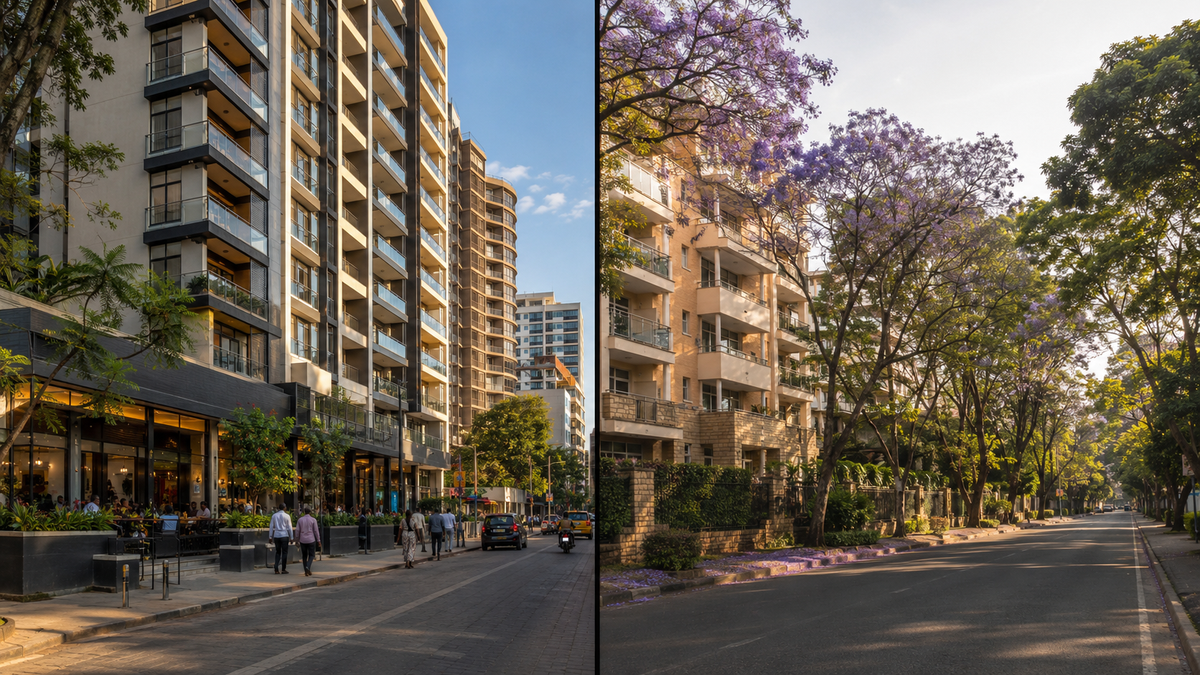
Kilimani vs Kileleshwa 2026: Nairobi’s Two Most Popular Apartment Markets Compared
Kilimani vs Kileleshwa side by side — apartment prices, rent, yields, commute, and lifestyle. Kileleshwa is 10–20% cheaper. Which suburb fits you?
Kilimani vs Kileleshwa 2026: Nairobi's Two Most Popular Apartment Markets Compared
Kilimani and Kileleshwa are neighbours — separated by Ring Road and roughly 10 minutes of driving. Both are apartment-dominated, both draw young professionals and expatriates, and both rank among Nairobi's most active property markets. But they attract different people for different reasons: Kilimani is urban energy, walkability, and nightlife. Kileleshwa is residential calm, tree-lined streets, and the feeling of a neighbourhood rather than a commercial district.
This comparison breaks down every dimension buyers and renters care about — prices, rent, yields, lifestyle, commute, oversupply risk, and which suburb suits which buyer profile. If you have already read our individual guides — Living in Kilimani and Living in Kileleshwa — this puts them head to head.
Head-to-Head Comparison
Factor | Kilimani | Kileleshwa |
|---|---|---|
Character | Urban, high-density, walkable, vibrant | Residential, quieter, tree-lined, neighbourhood feel |
Distance from CBD | ~4 km southwest | ~5 km west-northwest |
Dominant property type | Apartments (studios to 3-bed) | Apartments (1-bed to 3-bed) + some townhouses |
1-bed apartment (buy) | KES 6M – 8M | KES 4.5M – 7M |
2-bed apartment (buy) | KES 9M – 14M | KES 7M – 12M |
3-bed apartment (buy) | KES 14M – 22M | KES 10M – 18M |
Price per sqm | KES 110,000 – 170,000 | KES 100,000 – 155,000 |
1-bed rent | KES 45,000 – 75,000 | KES 35,000 – 60,000 |
2-bed rent | KES 65,000 – 110,000 | KES 55,000 – 100,000 |
3-bed rent | KES 90,000 – 150,000 | KES 80,000 – 130,000 |
Gross rental yield | 5.5–7.5% | 5–7% |
Capital appreciation (recent) | Mixed — +3.9% QoQ (houses) but apartment oversupply in some pockets | Recovering — dropped 10.3% YoY in 2025, +1.3% QoQ in Q4 2025 |
Furnished apartment premium | 50–80% above unfurnished (Airbnb market strong) | 40–60% above unfurnished |
Commute to CBD | 15–25 min (Ngong Road / Argwings Kodhek) | 20–30 min (Ring Road → CBD) |
Commute to Westlands | 15–25 min | 10–15 min |
Walkability | High — restaurants, gyms, malls on foot | Moderate — errands require short drives |
Nightlife/dining | Extensive — Hurlingham, Yaya, AdLife corridor | Limited — rely on Kilimani/Westlands for going out |
Security | Building-level (variable by estate) | Neighbourhood-level + building security (generally quieter streets) |
Oversupply risk | Higher — particularly along Ngong Road corridor | Moderate — correction in 2025 absorbed some excess |
Tenant profile | Young professionals, expats, Airbnb guests, students | Professionals, families, NGO staff, long-term tenants |
Land per acre (HassConsult Q1 2026) | KES 437.8M | KES 336.2M |
Buying: Price Comparison in Detail
Kileleshwa apartments are 10–20% cheaper than equivalent Kilimani units at every bedroom count. A 2-bedroom apartment that costs KES 12M in Kilimani has a Kileleshwa equivalent at KES 9–10M. The gap is largest for newer builds with amenities (gym, pool, backup generator) — Kilimani developers charge a premium for the location, while Kileleshwa developers compete more on value.
However, price per square metre tells a more nuanced story. Kilimani's range (KES 110,000–170,000/sqm) reflects huge variation between older walk-ups on Riara Road and premium new builds on Argwings Kodhek. Kileleshwa's range (KES 100,000–155,000/sqm) is narrower — the stock is more consistent in quality. This means your risk of accidentally overpaying is lower in Kileleshwa, because the pricing is more transparent and comparables are easier to find.
For current pricing, see our total cost of buying property guide for what you will pay beyond the asking price — stamp duty, legal fees, and valuation add 7–11% to every purchase.
Renting: What You Get for Your Money
The rental gap mirrors the purchase gap — Kileleshwa rents run 10–20% below Kilimani for equivalent specifications. A 2-bedroom apartment at KES 80,000/month in Kilimani has a Kileleshwa equivalent at KES 65,000–70,000.
The difference is what you give up. In Kilimani, you can walk to Yaya Centre, grab dinner at any of 50+ restaurants, hit a gym on the same block, and Uber home from a night out in 5 minutes. In Kileleshwa, you have quiet streets, more green space, and a residential calm that Kilimani cannot offer — but you will drive for most errands beyond the immediate Kasuku Centre area.
For tenants who work from home, Kileleshwa is often the better value — you save on rent while gaining a more peaceful work environment. For tenants who socialise heavily or work in the CBD and value proximity, Kilimani's premium buys convenience that is difficult to replicate.
Investment: Yields, Oversupply, and Risk
Kilimani: Higher Yield, Higher Risk
Kilimani delivers strong gross yields — 5.5–7.5% for long-term unfurnished rentals, and potentially above 10% for well-managed furnished units on Airbnb. It is Nairobi's most liquid apartment market: easy to rent, easy to sell, deep demand.
The risk is oversupply. Parts of Kilimani — particularly along the Ngong Road corridor — have experienced aggressive development over the past 3–4 years, with multiple mid-tier buildings competing for the same tenant pool. Vacancy rates in some pockets have been higher than ideal. The answer is not to avoid Kilimani entirely, but to be selective: choose sub-locations with less construction density, prioritise buildings with amenities that differentiate from the bulk stock, and price competitively.
Kileleshwa: Lower Entry, Recovering Market
Kileleshwa's 2025 price correction — 10.3% year-on-year decline per HassConsult — scared some investors. But the Q4 2025 quarterly gain of 1.3% suggests the correction may have bottomed. For buyers entering in 2026, this correction creates an opportunity: you are buying at a relative discount compared to 12–18 months ago.
Kileleshwa's gross yields of 5–7% are slightly lower than Kilimani's headline numbers but come with a more stable tenant base — professionals and families on 12–24 month leases, with lower turnover than Kilimani's Airbnb-heavy market. For investors who value consistent occupancy over maximum yield, Kileleshwa is the safer bet.
Investment Factor | Kilimani | Kileleshwa |
|---|---|---|
Best for | Investors comfortable with active management, Airbnb, and higher turnover | Investors who want stable occupancy and lower management burden |
Entry point (2-bed) | KES 9M–14M | KES 7M–12M |
Gross yield | 5.5–7.5% (unfurnished); 8–10%+ (furnished/Airbnb) | 5–7% |
Liquidity | High — deepest apartment market in Nairobi | Moderate — growing but narrower buyer pool |
Oversupply risk | Higher, especially Ngong Road corridor | Moderate — 2025 correction absorbed excess |
Tenant stability | Variable — short-stay guests mixed with long-term | Strong — professionals and families on long leases |
Diaspora suitability | Good if using a property management firm; Airbnb requires active management | Better for hands-off — long-term tenants reduce turnover |
Lifestyle Comparison
Living in Kilimani
Kilimani is where Nairobi feels most like a modern city. You can walk to restaurants on Lenana Road, work out at a gym on Argwings Kodhek, shop at Yaya Centre, grab coffee at a rooftop cafe, and be home in 10 minutes. The density creates convenience — and also noise, traffic, and that particular Nairobi energy where something is always happening.
It suits singles, couples, young professionals, and people who want an urban lifestyle without owning a car. The downside is what comes with density: construction noise from ongoing developments, traffic congestion on Ngong Road during rush hour, and higher levels of petty crime (phone snatching, car break-ins) compared to quieter suburbs. Kilimani is safe by Nairobi standards but requires normal urban awareness.
Living in Kileleshwa
Kileleshwa is what happens when you take Kilimani's convenience and turn down the volume. The streets are wider, the trees are taller, the buildings are less dense, and the pace is noticeably slower. It sits between Kilimani and Westlands — 10 minutes from either — but feels like a neighbourhood rather than a commercial district.
It suits families, professionals who work from home, and anyone who has tried Kilimani and decided they want the same access with less intensity. The downside is less walkable infrastructure — you will need a car or ride-hailing for most activities beyond the immediate area. Evening dining and nightlife options within Kileleshwa itself are limited; you will go to Kilimani or Westlands for that.
Commute Comparison
Destination | From Kilimani | From Kileleshwa | Advantage |
|---|---|---|---|
Nairobi CBD | 15–25 min (Ngong Rd / Kenyatta Ave) | 20–30 min (Ring Road → Uhuru Highway) | Kilimani |
Westlands | 15–25 min | 10–15 min | Kileleshwa |
Upper Hill | 10–15 min | 15–20 min | Kilimani |
Gigiri / UN | 25–35 min | 15–20 min | Kileleshwa |
JKIA | 35–50 min | 40–55 min | Kilimani (slightly) |
Key insight: If you work in Westlands or the Gigiri/UN corridor, Kileleshwa saves 10–15 minutes each way daily. If you work in the CBD or Upper Hill, Kilimani is more convenient. For most young professionals, this commute difference drives the suburb choice more than price.
Your Decision Framework
If you want... | Choose | Why |
|---|---|---|
Walkable urban lifestyle | Kilimani | Restaurants, gyms, malls within walking distance |
Quiet residential environment | Kileleshwa | Tree-lined streets, lower density, neighbourhood feel |
Lowest entry price | Kileleshwa | 10–20% cheaper at every bedroom count |
Highest rental yield | Kilimani | Airbnb/furnished market pushes yields above 8% |
Stable long-term tenants | Kileleshwa | Professional families on 12–24 month leases |
Easiest resale | Kilimani | Deepest, most liquid apartment market in Nairobi |
Best value in 2026 specifically | Kileleshwa | 2025 price correction means buying at a relative discount |
Short commute to Westlands | Kileleshwa | 10–15 min vs 15–25 from Kilimani |
Short commute to CBD | Kilimani | 15–25 min vs 20–30 from Kileleshwa |
Nightlife and dining | Kilimani | 50+ restaurants and bars within walking distance |
Family with school-age children | Kileleshwa | Quieter streets, strong residential schools, less urban chaos |
Diaspora investor (hands-off) | Kileleshwa | Stable tenants, lower turnover, less management intensity |
Frequently Asked Questions
Is Kileleshwa cheaper than Kilimani?
Yes — approximately 10–20% cheaper for equivalent apartments. A 2-bedroom that costs KES 12M in Kilimani has a Kileleshwa equivalent at KES 9–10M. Rents follow the same pattern — KES 65,000–70,000 in Kileleshwa for what would cost KES 80,000 in Kilimani.
Which has better rental yields — Kilimani or Kileleshwa?
Kilimani delivers higher headline yields — 5.5–7.5% unfurnished, and 8–10%+ for well-managed furnished/Airbnb units. Kileleshwa yields are 5–7% but with more stable occupancy and lower tenant turnover. The "best" yield depends on whether you are optimising for maximum return (Kilimani) or minimum hassle (Kileleshwa).
Is there oversupply in Kilimani?
In some pockets, yes. The Ngong Road corridor has seen aggressive mid-tier apartment development that has outpaced demand. Vacancy rates in certain buildings are above the Nairobi average. The rest of Kilimani — particularly the Argwings Kodhek and Riara Road areas — remains well-absorbed. Selectivity within Kilimani matters enormously.
Is now a good time to buy in Kileleshwa?
The data suggests yes. HassConsult recorded a 10.3% year-on-year price decline in 2025, but Q4 2025 showed a 1.3% quarterly recovery. Buyers entering in 2026 are purchasing at a discount relative to 2024 peak prices. The underlying demand drivers — professional tenant base, proximity to Westlands, improving infrastructure — remain intact.
Which is safer — Kilimani or Kileleshwa?
Kileleshwa has a stronger safety reputation — quieter streets, lower foot traffic, and less commercial activity mean fewer incidents of petty crime. Kilimani is safe by Nairobi standards but its urban density brings higher levels of phone snatching and opportunistic crime. In both suburbs, building-level security (guards, CCTV, controlled access) is the primary safety layer.
Can I live without a car in either suburb?
In Kilimani, yes — it is one of Nairobi's most walkable suburbs, with Uber/Bolt readily available and matatus on Ngong Road for CBD access. In Kileleshwa, it is possible but less practical — you will rely on ride-hailing for most errands beyond the immediate area. If car-free living is a priority, Kilimani is the clear choice.
Explore Further
Browse Kilimani apartments → | Browse Kileleshwa apartments → | Find a verified agent →
Prices reflect 2026 market data from HassConsult, Afriqahome, BuyRentKenya, and developer listings. Ranges are market estimates and vary by building age, specification, and floor. Always conduct independent due diligence. Afriqahome is a marketplace connecting buyers with verified agents — we do not buy, sell, or own property.
Other Guides

Living in Juja, Kiambu: The University Town That Became a Satellite City — Prices, Estates & Honest Guide (2026)
Juja houses from KSh 1.2M, rent from KSh 2.5K. JKUAT area, Kenyatta Road estates, Kalimoni, Witeithie. Student yields 9-15%.
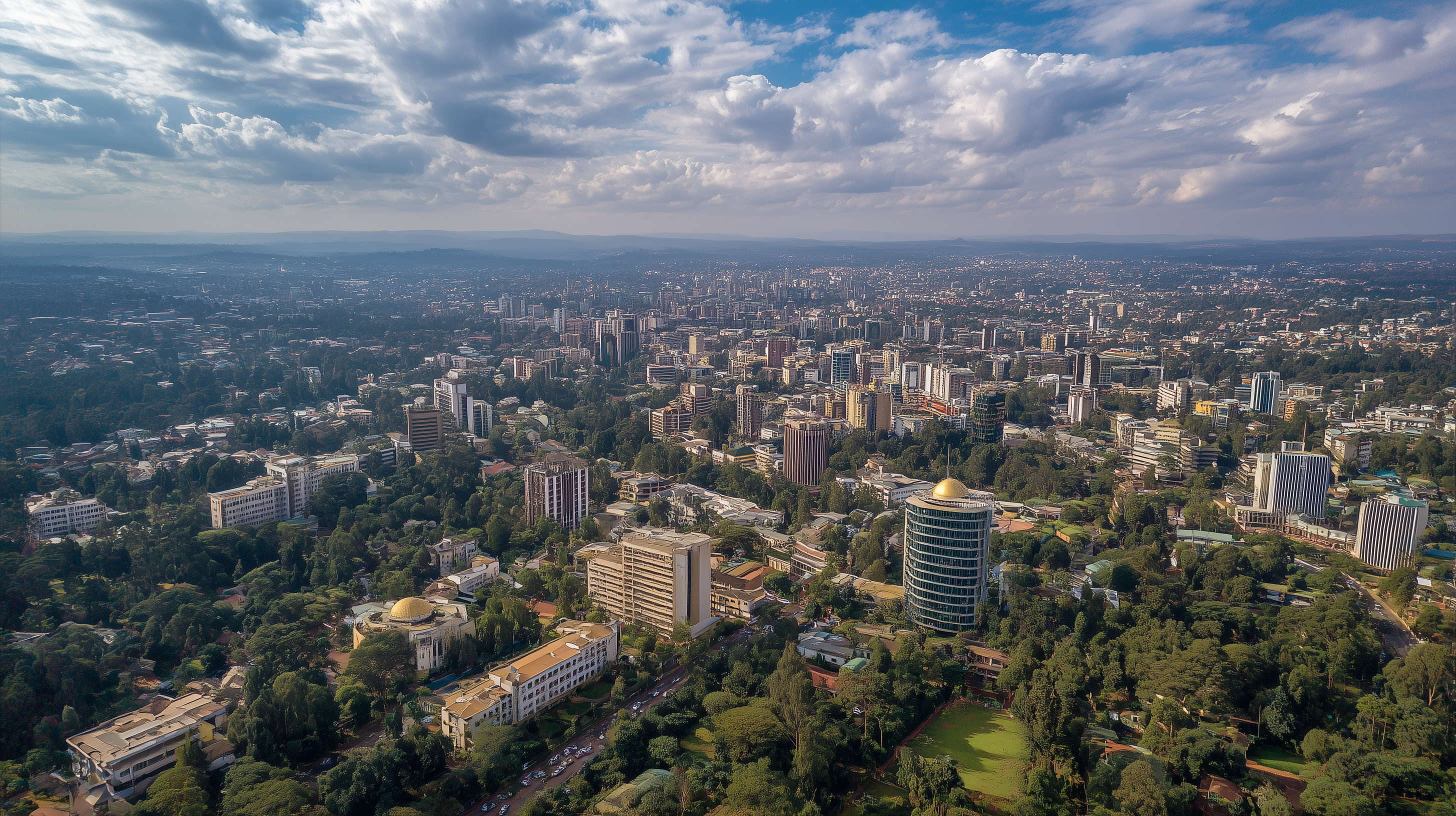
Westlands Property Guide: Prices, Lifestyle & Investment (2026)
Complete guide to Westlands real estate. Apartments from KES 8M, rental yields 6-8%, plus lifestyle amenities. Browse verified Westlands listings today.
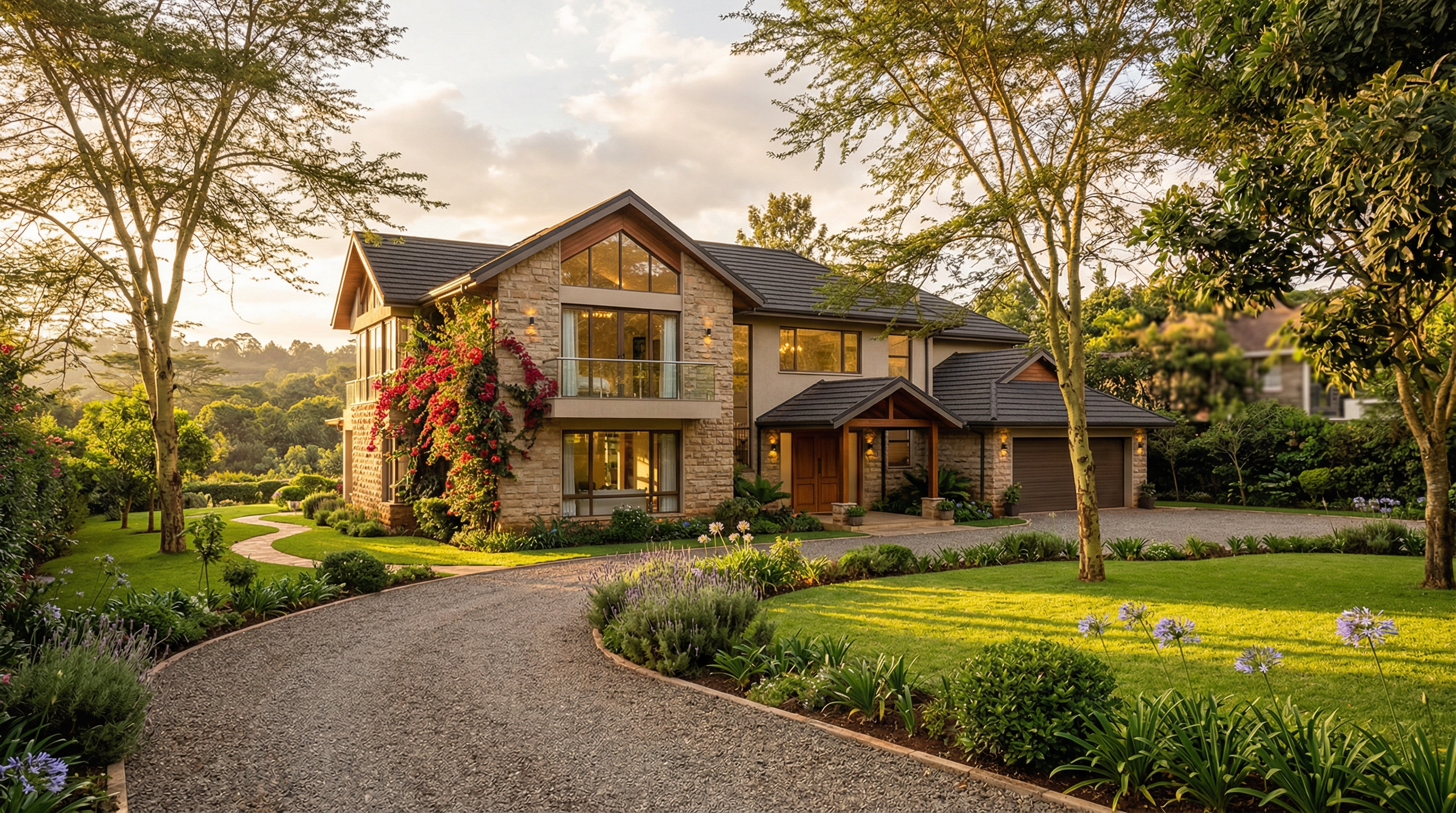
Houses for Sale in Karen: Price Guide 2026
Karen house prices from KES 35M–250M+. 4-bedroom, 5-bedroom, villas. Karen Hardy, Ndege Road, budget breakdown. Updated March 2026.