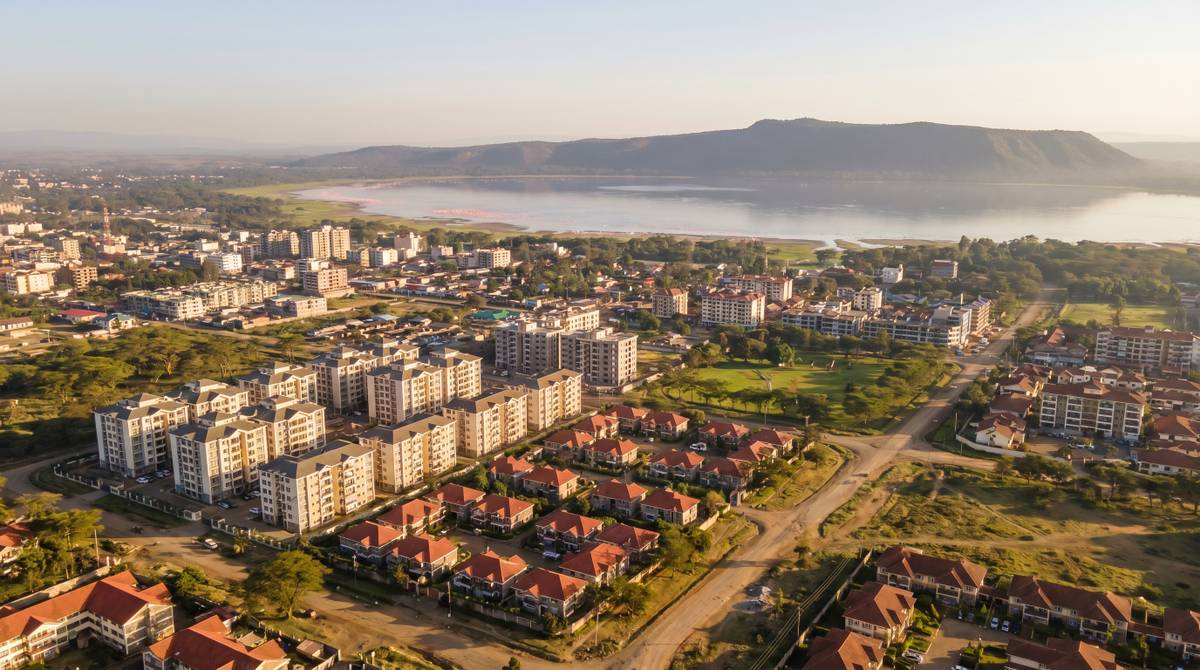
Living in Nakuru: Prices, Estates, Commute & Honest Guide (2026)
Kenya's 4th city: 3-bed houses from KSh 4.5M, 50-70% below Nairobi. Milimani, Section 58, Lanet, Maili Sita guide. Lake Nakuru & investment data. (
Introduction
Nakuru is Kenya's fourth-largest urban centre and was officially elevated to city status in December 2021, joining Nairobi, Mombasa, and Kisumu. Located approximately 160 kilometres northwest of Nairobi along the Nakuru–Nairobi Highway, the city sits at 1,850 metres elevation on the floor of the Great Rift Valley, adjacent to Lake Nakuru National Park. It is the administrative capital of Nakuru County and a significant commercial, agricultural, and tourism hub.
For property buyers, Nakuru offers something that has become rare in Kenya's established cities: genuinely affordable housing in a city with real infrastructure, active growth, and strong appreciation potential. A 3-bedroom bungalow in Maili Sita sells from KSh 4.5M. A 4-bedroom house in Lanet from KSh 7M. Off-plan 3-bed apartments at Kings Summit View (13-storey premium development in Lower Milimani) from KSh 8M with Lake Nakuru views. Rentals start from KSh 6,500/month for a 1-bed house. For buyers priced out of Nairobi who want city amenities without satellite-town compromises, Nakuru is one of Kenya's most compelling options.
Quick Facts
Detail | Nakuru |
|---|---|
County | Nakuru (Kenya's 4th-most populous county) |
City status | Granted December 2021 |
Distance from Nairobi | ~160 km via A104 (Nakuru–Nairobi Highway) |
Elevation | 1,850 m |
Climate | Temperate highland (avg 14–26°C); cool evenings year-round |
Population | ~570,000 (city), ~2.2 million (county, 2019 census) |
Economy | Agriculture, agri-processing, tourism, retail, manufacturing |
House prices (sale) | KSh 4.5M–40M |
Apartment prices (sale) | KSh 4M–12M |
Plot prices (1/8 acre) | KSh 900K–3M |
Rental range | KSh 6,500–80,000/month |
Notable feature | Lake Nakuru National Park, Rift Valley views, official city status |
Property Prices in Nakuru (2026)
Houses for Sale
Type | Price Range (KSh) | Location / Notes |
|---|---|---|
3-bed bungalow (1/8 acre) | 4.5M–7.5M | Maili Sita, Pipeline, Nakuru East — new construction |
3-bed maisonette | 7M–13.5M | Lanet, Section 58, Nakuru town area |
4-bed bungalow (all ensuite) | 7M–15M | Lanet, Royal Estate (Pipeline), Naka |
4-bed maisonette | 10M–20M | Section 58 (premium), Milimani, gated estates |
5-bed mansion | 15M–40M | Milimani, Kiamunyi gated estates on 1/4–1 acre |
Rental income property | 7.5M–15M | Multi-unit bedsitters/studios generating KSh 30K–117K/month |
Apartments for Sale
Type | Price Range (KSh) | Location / Notes |
|---|---|---|
2-bed apartment | 4M–6M | Bondeni (Kings Sapphire), Nakuru town |
3-bed apartment | 6M–12M | Lower Milimani (Kings Summit View from KSh 8M, completion Dec 2026/early 2027) |
Premium 3-bed (lake view) | 8M–12M | Kings Summit View — 13 floors, heated pool, gym, Lake Nakuru panorama |
Plots
Plot Size | Price Range (KSh) | Notes |
|---|---|---|
50×100 (1/8 acre) | 900K–3M | Maili Sita, Free Area, outer Nakuru |
1/4 acre | 2M–8M | Naivasha Line, Pipeline, Kiamunyi |
1/4 acre (premium Milimani) | 10M–20M+ | Next to Lake Nakuru National Park |
1 acre (town prime) | 20M+ | Near Nakuru–Nairobi Highway, commercial potential |
Rental Prices
Unit Type | Rent (KSh/month) | Notes |
|---|---|---|
Bedsitter | 4,000–8,000 | Free Area, Kiamunyi, outer estates |
1-bed house/apartment | 6,500–15,000 | Lanet, below Racetrack Primary area |
2-bed apartment | 15,000–30,000 | Baraka, Bondeni, Mustard Seed area |
3-bed apartment | 25,000–45,000 | Milimani, Section 58, newer developments |
3-bed house | 30,000–55,000 | Kalama Estate, Naka — gated communities |
4-bed maisonette | 45,000–80,000 | Milimani, Section 58 premium |
Furnished/Airbnb (per night) | 3,000–8,000 | Tourism-driven around Lake Nakuru, Rift Valley |
Context: Nakuru prices are approximately 50–70% below equivalent Nairobi properties. A 3-bed bungalow that sells for KSh 5M in Maili Sita would cost KSh 12M–20M in Nairobi's satellite towns like Kitengela or Syokimau. This pricing gap is the primary driver of both end-user demand and investor interest.
Estates and Neighbourhoods
Milimani
Nakuru's upscale residential area — the equivalent of Nairobi's Lavington or Kileleshwa in terms of positioning. Mature trees, larger plots, and premium schools nearby. Home to newer high-rise developments (Kings Summit View's 13-storey tower with Lake Nakuru views from KSh 8M) alongside established bungalows and maisonettes from KSh 15M–40M. Lower Milimani is the focal point for new apartment developments in 2026. Proximity to top schools (Lalji Shah Academy, Madaraka Academy, CITAM Academy) makes it a family favourite.
Section 58
An established, security-conscious middle-class neighbourhood popular with Nakuru families. Bordered by Lake Nakuru National Park on one side. Mix of bungalows, maisonettes, and townhouses. 3-bed maisonettes from KSh 7M–13.5M. 4-bed houses with DSQ from KSh 10M–15M. Paved internal roads, good water supply, and an active homeowners' community. One of the best-established micro-areas in Nakuru.
Lanet
A diverse residential area in Nakuru East, close to Moi Forces Academy and the Kenya Army barracks. Mix of affordable housing and newer gated developments. 3-bed bungalows from KSh 7M, 4-bed maisonettes from KSh 13.5M. Growing commercial activity along the Nairobi Highway. Popular with military families, civil servants, and first-time homebuyers. Rental demand is strong due to the military base and proximity to Nakuru town.
Nakuru Town / CBD
The commercial heart of Nakuru — banks, supermarkets (Naivas HQ is based here), government offices, matatu stages. Residential stock is mostly older apartments and commercial-residential mixed buildings. Not a primary target for new buyers but important for rental investors targeting workers and students.
Pipeline / Royal Estate
A developing residential area with new construction of 3-4 bed houses. 4-bed houses in Royal Estate from KSh 10M. Close to the Nairobi Highway and expanding commercial zone. Good entry point for investors looking at newer housing stock at accessible prices.
Maili Sita
Fast-growing residential zone on the outer edge of Nakuru along the Nairobi route. Newly built 3-bed houses on 1/8 acre from KSh 4.5M–7M — the most affordable entry for a standalone house in a growing area. Infrastructure is still developing but roads and power are available. Primarily a market for first-time homebuyers and land investors.
Kiamunyi
A quieter residential area west of Nakuru town. Mix of established bungalows and newer gated estates. Budget-friendly rentals — bedsitters from KSh 4,000–8,000/month. Popular with young professionals and families seeking affordable options outside the Milimani premium.
Free Area
One of Nakuru's most affordable areas — bedsitters from KSh 15,000 (furnished) and 1-bed rentals in the KSh 6,500–12,000 range. Higher-density, more working-class character. Strong rental demand from students and workers. Best for rental income investors with smaller budgets.
Naka
Established middle-class residential area with gated estates like Kalama Estate (3-bed houses in own compounds for rent KSh 30K–50K/month). Near Meadows Estate and Section 58 — good established infrastructure, schools, and security.
What It Is Like to Live in Nakuru
Nakuru offers a genuinely different lifestyle from Nairobi. The city is large enough to have real urban amenities — shopping malls (Westside Mall, Nakumatt Mega), supermarkets, cinemas, banks, hospitals, and a growing restaurant scene — but small enough that traffic is manageable, air quality is better, and daily life feels less intense. At 1,850 metres elevation, the climate is cool and pleasant year-round: daytime temperatures rarely exceed 26°C, evenings drop to 14–16°C. Rain is reliable during the long rains (March–May) and short rains (October–December).
The economy is diverse. Agriculture and agri-processing are the traditional pillars — Nakuru County is one of Kenya's most productive agricultural regions (wheat, maize, dairy, horticulture). Tourism drives significant activity around Lake Nakuru National Park (flamingos, rhinos, giraffes) and Rift Valley attractions (Menengai Crater, Hell's Gate, Lake Naivasha 80 km away). Retail and services are growing rapidly — Naivas Supermarkets is headquartered in Nakuru, and national retailers have expanded aggressively since city status was granted in 2021.
The educational infrastructure is strong. Egerton University (Kenya's oldest institution of higher learning) is 25 km away in Njoro. Kabarak University, Mount Kenya University, and Laikipia University all have presence in the region. Primary and secondary schools are abundant at both public and private levels — international schools and academies like Lalji Shah Academy, Madaraka Academy, and Shiners Girls cater to the middle and upper-middle class.
Transport is dominated by the Nakuru–Nairobi Highway (A104), which is the main connection to the capital. The drive takes 2.5–3.5 hours depending on traffic at Naivasha and the Gilgil weighbridge. No SGR connection exists — Nakuru is road-dependent for travel. Within the city, matatus, boda bodas, and tuk-tuks are the main transport. The planned expansion of the Nakuru Airstrip into a full commercial airport has been discussed but has no confirmed timeline.
The social fabric is distinctive. Nakuru has strong Kikuyu, Kalenjin, and Luhya communities reflecting the Rift Valley's diverse ethnic landscape. The city has a history of political sensitivity (particularly around election cycles — Rift Valley tensions in 1992, 1997, and 2007–08 affected Nakuru), and buyers should factor in election-cycle caution as part of their investment timing. The 2027 general election is on the horizon.
Security is generally good in established residential areas. Gated estates (Section 58, Lanet's newer developments, Milimani) have 24-hour security and perimeter controls. The city centre has normal urban security considerations — petty theft in crowded areas, vehicle crime, and so on — but nothing unusual compared to other Kenyan cities.
Amenities
Shopping
Westside Mall, Nakumatt Mega (now Naivas), Naivas Supermarket branches (HQ in Nakuru), Tuskys, Quickmart. Open-air markets throughout the city. Commercial CBD with banks, restaurants, services.
Education
Egerton University (25 km in Njoro), Kabarak University, Mount Kenya University, Laikipia University. Lalji Shah Academy, Madaraka Academy, CITAM Academy, Shiners Girls High School, Hyrax High School, Mangu forces schools (Lanet). Numerous primary and secondary options at all levels.
Healthcare
Nakuru Level 5 Hospital (county referral), MediHill Hospital, Nakuru War Memorial Hospital, Aga Khan Medical Centre Nakuru. Several private clinics. For specialist care, Nairobi hospitals are 2.5–3.5 hours away.
Recreation
Lake Nakuru National Park (flamingos, rhinos — major tourism draw), Menengai Crater (world's second-largest intact volcanic crater), Hyrax Hill Prehistoric Site, Lord Egerton Castle, STEM Hotel. Close enough to Naivasha (80 km), Nairobi (160 km), and the Maasai Mara for weekend trips.
Pros and Cons
Pros
Genuine affordability: 50–70% below Nairobi prices. A standalone 3-bed house from KSh 4.5M is unthinkable anywhere in the Nairobi metro area. Entry-level ownership is within reach of many Kenyan professionals.
City status and growth momentum: Official city status (granted 2021) has accelerated investment. County infrastructure budgets, retail expansion, and residential development have all picked up since.
Climate: Temperate highland climate at 1,850 metres — cool, pleasant, and comfortable year-round without heating or cooling.
Lake Nakuru and tourism: Proximity to a major tourist attraction creates Airbnb/short-stay income opportunities that do not exist in most upcountry towns.
Diverse economy: Not dependent on a single industry (unlike Mombasa's port-and-tourism economy or pure satellite towns' Nairobi-commuting economies). Agriculture, agri-processing, tourism, retail, and services all contribute.
Strong educational infrastructure: Multiple universities and quality private schools — significant for families.
Land appreciation: Estimated 8–12% annually in developing areas. Plots in Maili Sita and outer estates are expected to continue appreciating as infrastructure develops.
Cons
Distance from Nairobi: 2.5–3.5 hours by road (no SGR, no commercial flights on a regular schedule). Not viable for daily commuting to Nairobi. Buyers whose work requires Nairobi presence should consider this a permanent relocation, not a satellite arrangement.
Election-cycle volatility: The Rift Valley has historically been politically sensitive during general elections. Property transactions typically slow 12–18 months before major elections, and buyers should factor this into timing. The 2027 election is approaching.
Water supply: Nakuru has periodic water rationing. Many newer estates depend on boreholes or private supply. Budget KSh 2,000–5,000/month for supplementary water. Established estates in Section 58 and Milimani have better infrastructure.
Narrower professional job market: Nakuru's corporate sector is smaller than Nairobi's. Professionals in finance, tech, or specialised industries may find fewer opportunities locally. Remote work arrangements have partially addressed this but not completely.
Infrastructure inconsistency: Some developing areas (outer Maili Sita, parts of Pipeline) have unpaved roads that become difficult during the rainy season. Always inspect estate access during or after rain before buying.
Airport access: Nakuru Airstrip handles limited scheduled flights. For international travel, JKIA (Nairobi) is 2.5–3.5 hours away. Not a deal-breaker but a lifestyle consideration for frequent travellers.
Nakuru Compared to Alternatives
Factor | Nakuru | Naivasha | Thika |
|---|---|---|---|
3-bed house (sale) | KSh 4.5M–13.5M | KSh 15M–40M (lakefront premium) | KSh 6.5M–15M |
1/8 acre plot | KSh 900K–3M | KSh 2.3M–10M | KSh 850K–2.5M |
Distance from Nairobi | ~160 km | ~80 km | ~42 km |
City status | Yes (2021) | No (town) | Municipality |
Main economic driver | Agri/retail/tourism | Flower farms, tourism | Industrial/manufacturing |
Tourism angle | Lake Nakuru NP | Lake Naivasha, Hell's Gate | Minimal |
Daily Nairobi commute feasible? | No | Difficult but possible | Yes (45–60 min off-peak) |
Best for | Permanent relocation, retirement, investment | Holiday homes, tourism investment | Commute + work-local lifestyle |
Investment Outlook
What is working
Nakuru's fundamentals are strong. City status (2021) has accelerated infrastructure investment and commercial activity. Land appreciation in developing areas is estimated at 8–12% annually. Rental yields are attractive — 1-bed units in Lanet at KSh 12,000/month on a KSh 2M property deliver approximately 7.2% gross, while multi-unit rental properties (bedsitters, studios) can generate 10%+ yields with active management.
The demographic tailwinds are meaningful. Nakuru County has 2.2 million people (2019 census) with rapid urbanisation. Nakuru city is attracting migrants from throughout the Rift Valley, Kenyan diaspora returnees seeking affordable family homes, and Nairobi-based investors diversifying into a lower-priced market.
Premium development is also accelerating. Kings Summit View (13 floors, Lower Milimani, KSh 8M 3-bed with lake views) represents a new tier of Nakuru development that did not exist five years ago. This suggests increasing sophistication in the buyer market and rising land values in prime areas.
What to watch
Election-cycle risk is real. The Rift Valley has a history of political sensitivity during elections, and Nakuru sits in the heart of this region. The 2027 election is 12–18 months out. Transaction volumes typically slow in the run-up. This is not a reason to avoid Nakuru — but it is a reason to factor timing into your strategy, and to be cautious about highly leveraged purchases.
Infrastructure lag in developing areas: water, roads, and some services in Maili Sita, outer Pipeline, and Kiamunyi have not kept pace with residential development. Buying plots here is a valid long-term strategy, but expect 3–5 years for full infrastructure maturation.
For diaspora investors
Nakuru is particularly attractive for diaspora investors with moderate budgets ($35K–$100K, approximately KSh 4.5M–13M). A 3-bed bungalow in Maili Sita at KSh 5M costs approximately $38,000 — entry-level for a standalone house. Multi-unit rental properties (8–16 bedsitters/studios) at KSh 7.5M–15M generate KSh 30,000–117,000/month in rent, providing attractive cash flow.
Key considerations: appoint a verified agent, verify titles on Ardhisasa, and visit during the rainy season to test road access in outer estates. Hire a local property manager for ongoing oversight — remote management from overseas requires reliable on-the-ground support.
For country-specific buying guidance: USA · UK · UAE · Canada.
Frequently Asked Questions
Is Nakuru a good place to buy property in 2026?
Yes — particularly for buyers seeking affordable ownership of a standalone house or investment property. Prices are 50–70% below Nairobi with strong appreciation potential (8–12% annually in developing areas). City status (2021), tourism, and diverse economy provide structural tailwinds. The main caveats are election-cycle risk (2027), distance from Nairobi, and infrastructure lag in some developing estates.
How much does a 3-bedroom house cost in Nakuru?
KSh 4.5M–7.5M for a new 3-bed bungalow on 1/8 acre in Maili Sita or Pipeline. KSh 7M–13.5M for a 3-bed maisonette in Lanet or Section 58. Premium 3-bed apartments in Lower Milimani (Kings Summit View) from KSh 8M with lake views.
How long does it take to drive from Nakuru to Nairobi?
2.5–3.5 hours via the A104 Nakuru–Nairobi Highway, depending on traffic at Naivasha, Gilgil weighbridge, and Nairobi approaches. No SGR connection. Matatu and bus services operate frequently from KSh 500–800 one way. Nakuru is not viable for daily commuting to Nairobi.
What are the best areas in Nakuru for families?
Section 58 and Milimani for established middle-class families with larger budgets — good schools, security, amenities. Lanet for military families and first-time homebuyers. Naka (Kalama Estate) for gated community living at accessible prices. Maili Sita for new-build affordable homes on individual plots.
What rental yields can I expect in Nakuru?
Single-unit residential yields are typically 6–8% gross. Multi-unit rental properties (bedsitters, studios) can generate 10%+ with active management — a newly built 16-unit bedsitter property at KSh 7.5M generating KSh 117,000/month delivers approximately 18.7% gross yield. Milimani premium apartments yield less (4–6%) but with better tenant quality.
Will the 2027 election affect Nakuru property prices?
Likely yes — Kenyan property transactions typically slow 12–18 months before general elections, and the Rift Valley historically sees more caution than other regions. Buyers should factor this into timing. Transaction volumes may decrease from late 2026, with recovery typically beginning 6 months after the election. This does not fundamentally change Nakuru's long-term attractiveness, but it does affect optimal buying windows.
Explore Nakuru on Afriqahome
Browse houses for sale in Nakuru, apartments for sale, or plots for sale from verified agents.
Compare Nakuru with other cities and satellite towns: Living in Mombasa · Living in Thika · Living in Ngong · Best Areas to Live in Nairobi.
For buying process guidance: How to Buy Land in Kenya · First-Time Buyer Guide · Stamp Duty & Closing Costs · Due Diligence Checklist · Freehold vs Leasehold · Rural Land Scams.
For diaspora investors: Diaspora Investment Hub · Power of Attorney Guide · Common Mistakes Diaspora Buyers Make.
Other Guides

Living in Juja, Kiambu: The University Town That Became a Satellite City — Prices, Estates & Honest Guide (2026)
Juja houses from KSh 1.2M, rent from KSh 2.5K. JKUAT area, Kenyatta Road estates, Kalimoni, Witeithie. Student yields 9-15%.
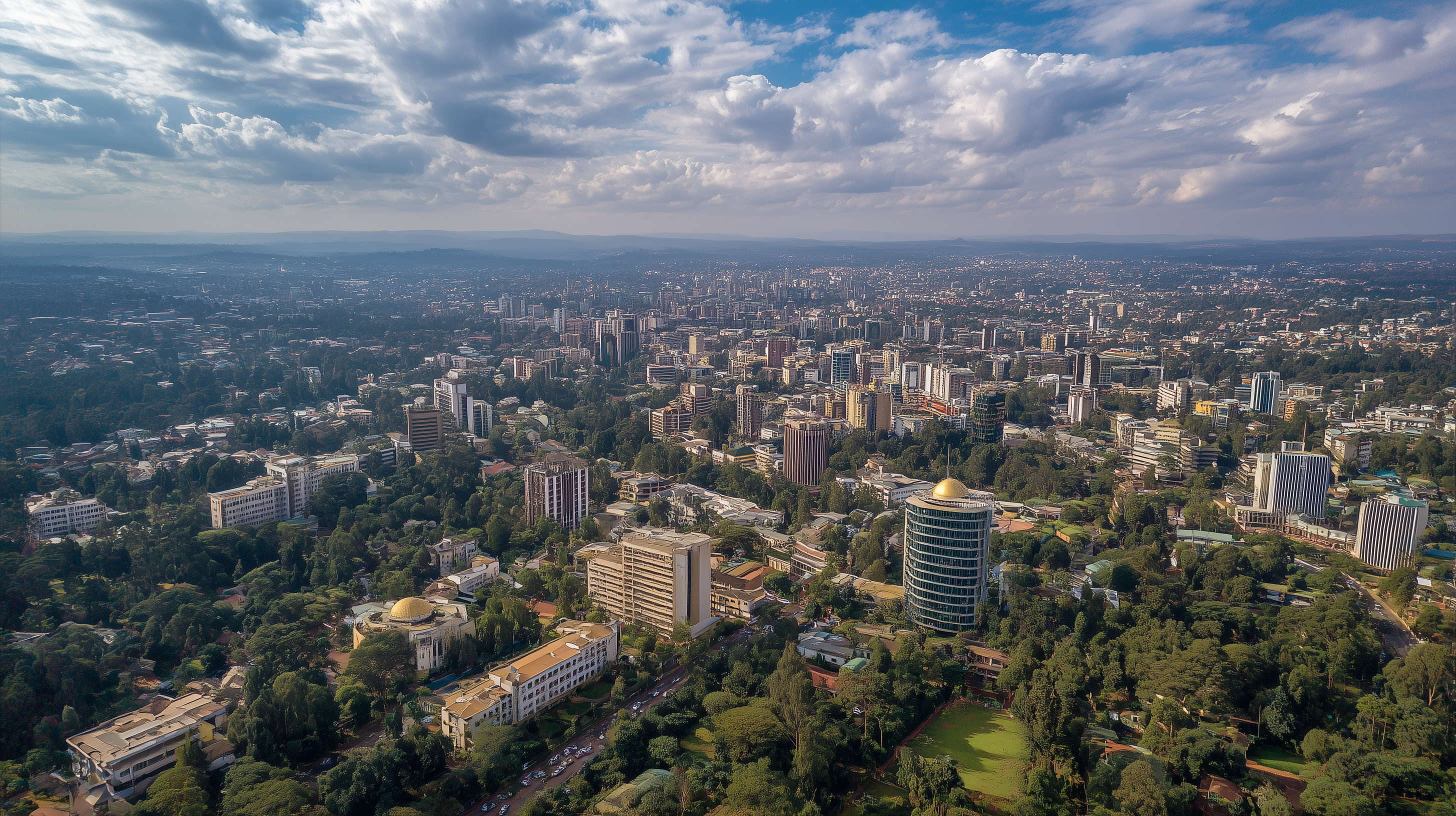
Westlands Property Guide: Prices, Lifestyle & Investment (2026)
Complete guide to Westlands real estate. Apartments from KES 8M, rental yields 6-8%, plus lifestyle amenities. Browse verified Westlands listings today.
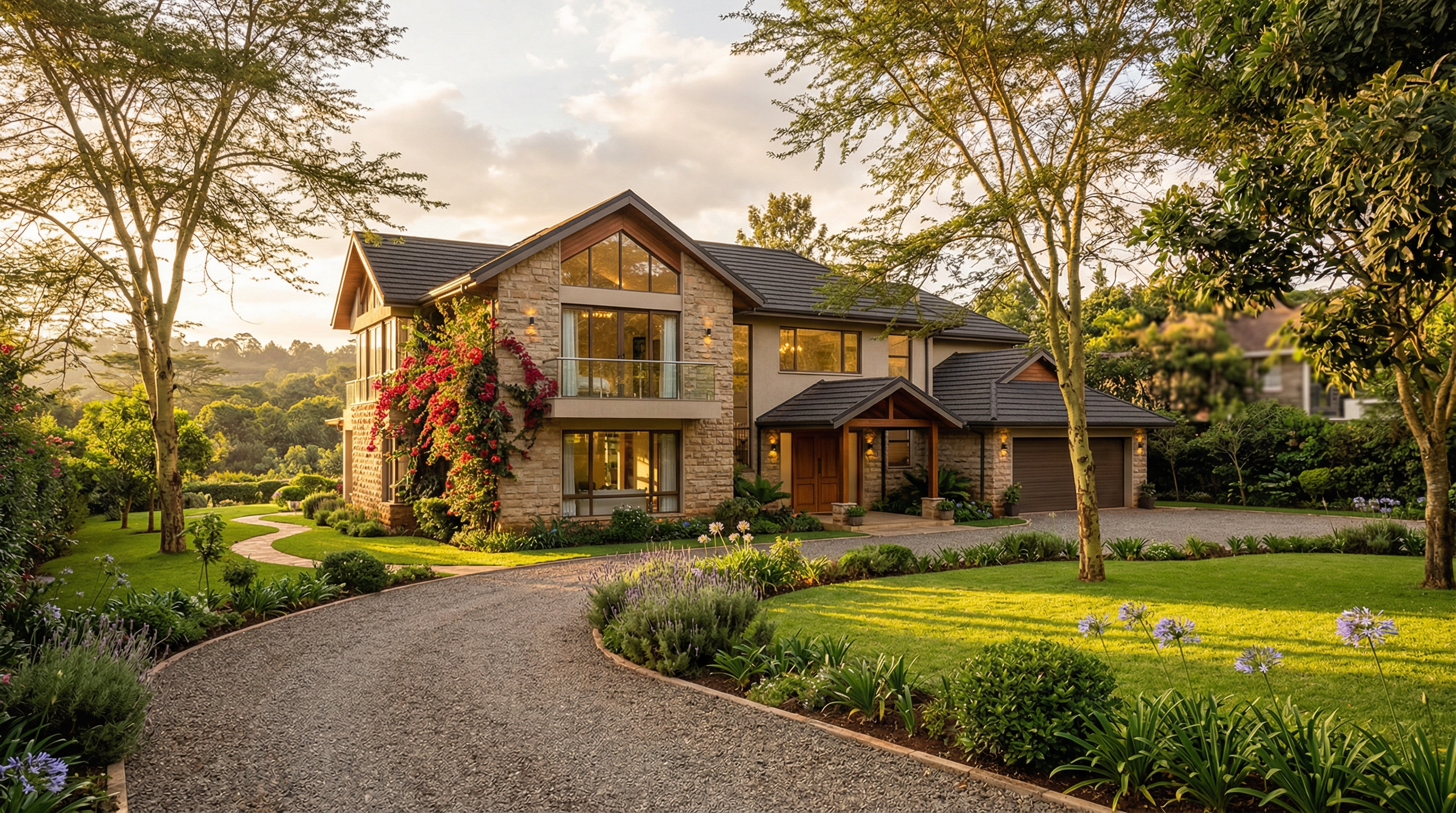
Houses for Sale in Karen: Price Guide 2026
Karen house prices from KES 35M–250M+. 4-bedroom, 5-bedroom, villas. Karen Hardy, Ndege Road, budget breakdown. Updated March 2026.