
Living in South B & South C, Nairobi: Prices, Estates & Honest Guide (2026)
South B rent from KSh 10K, South C houses from KSh 17.5M. Estates, commute times, schools, flooding risks, and rental yields — honest 2026 guide.
Living in South B & South C, Nairobi: Prices, Estates & Honest Guide (2026)
South B and South C sit side by side just 3–8 km south-east of Nairobi's CBD, separated by Mombasa Road but united by a shared identity: these are two of Nairobi's most established middle-class neighborhoods. South B — with estates like Plainsview, Balozi, Golden Gate, and Hazina — is one of the city's most convenient residential areas, roughly a 15-minute matatu ride from the CBD. South C borders Nairobi National Park and Wilson Airport, giving it a surprisingly green character for a neighborhood this close to the city centre, with houses averaging KSh 17.5M–28M and rentals starting from KSh 10,000 for a one-bedroom.
Together, they offer something increasingly rare in Nairobi: genuine proximity to the CBD at prices that have not yet reached Kilimani or Kileleshwa levels. Both areas have reliable water supply, established schools, accessible healthcare, and the matatu Route 11 connection that makes car ownership optional. They also share a common downside: Mombasa Road traffic and seasonal flooding in low-lying areas.
This guide covers both neighborhoods in detail — property prices, estates, commute, amenities, security, and investment outlook — so you can decide whether South B, South C, or both deserve a spot on your shortlist.
Quick Facts
Factor | South B | South C |
|---|---|---|
Location | 3 km SE of CBD, east of Mombasa Road | 6–8 km S of CBD, west of Mombasa Road |
County/Constituency | Nairobi / Starehe | Nairobi / Langata |
Population (2019 census) | ~102,000 (South B Division) | ~80,000 (estimate) |
Character | Dense, vibrant, mixed-income, high-rise + maisonettes | Quieter, more residential, lower density, park-adjacent |
Primary property type | Apartments, maisonettes, bedsitters | Maisonettes, townhouses, apartments |
Commute to CBD | 15–20 min (off-peak), Route 11 matatu | 20–30 min (off-peak), Route 11/33/34 |
Key landmarks | Capital Centre, Nyayo Stadium | Wilson Airport, Nairobi National Park, Boma Hotel |
Nearest commuter rail | Imara Daima station (~3 km) | Imara Daima / Makadara |
Best for | Young professionals, CBD workers, renters | Families, mid-career professionals, homeowners |
Property Prices (April 2026)
Sale Prices
Property Type | South B (KSh) | South C (KSh) |
|---|---|---|
Studio apartment | 4.8M–5.3M | 4.5M–6M |
1-bed apartment | 5.5M–8M | 6M–9M |
2-bed apartment | 7M–10M | 8M–13M |
3-bed apartment/maisonette | 10M–17M | 13M–25M |
4-bed house/maisonette | 18M–45M | 20M–60M |
1/8 acre plot | Rarely available (~40M+) | Rarely available (~40M+) |
Key observation: South C commands a 15–30% premium over South B for comparable properties. The premium reflects lower density, larger plot sizes, proximity to Nairobi National Park, and a quieter residential character. Both areas are significantly cheaper than Kilimani (where 2-beds start at KSh 9M–16M) while being almost as close to the CBD.
Rental Prices
Unit Type | South B (KSh/month) | South C (KSh/month) |
|---|---|---|
Bedsitter | 10,000–15,000 | 12,000–18,000 |
1-bed apartment | 20,000–35,000 | 15,000–30,000 |
2-bed apartment | 28,000–45,000 | 25,000–50,000 |
3-bed apartment/house | 37,000–60,000 | 35,000–70,000 |
4-bed maisonette | 70,000–135,000 | 80,000–150,000 |
South B's rental market is one of the busiest in Nairobi — the combination of CBD proximity, reliable water, and Route 11 matatu access creates constant demand, particularly for 1-bed and 2-bed units. South C rentals tend to attract families looking for more space and quieter surroundings. Both areas have seen rental price appreciation of approximately 5–7% annually over the past three years, according to market listings data.
Estates and Streets
South B Estates
Plainsview Estate is the most recognisable address in South B — a well-established residential area with tiled-roof maisonettes and a strong community feel. Phases 1 through 5 offer different housing configurations, with 3-bed maisonettes currently asking KSh 15M–17M. The estate is quiet, tree-lined, and walkable to South B Shopping Centre.
Balozi Estate sits along Likoni Road and has become a hub for newer apartment developments. Both older standalone houses and modern high-rises coexist here. Furnished apartments in Balozi are popular with short-stay visitors and Airbnb operators, with nightly rates around KSh 5,500.
Golden Gate Estate offers mid-range apartments with 2-bed and 3-bed units. Located off Plainsview Road, it appeals to working professionals who want security and proximity to the CBD without premium pricing.
Other notable areas include Hazina, Mariakani Estate (the oldest in South B, built around 1970 by Nairobi City Council — 30 blocks of eight flats), Diamond Park I and II along Likoni Road, SanaSana, and the Githeri Drive/Rise corridor. The eastern edge of South B along the Ngong River is less developed and includes the informal settlement of Fuata Nyayo — a reminder that South B, like most Nairobi neighborhoods, has significant income diversity within a small geographic area.
South C Estates
Mugoya Estate is South C's most established residential area — a mix of older bungalows, modern apartments, and redevelopment projects. Mugoya Shopping Centre serves as the neighborhood's commercial anchor. Houses here sit on relatively large plots compared to South B, which is why redevelopment into apartment blocks is accelerating.
Bandari Villas off Five Star Road offers a quieter, family-oriented environment with good proximity to Visionary Schools and the Nairobi National Park boundary. South C Shopping Centre area along the main spine has a mix of commercial and residential properties.
Highway Estate borders Mombasa Road and has good transport access but is more exposed to road noise and traffic pollution. The newer apartment developments along Mombasa Road — including buildings opposite Ole Sereni Hotel — offer modern finishes with park views, but at premium prices (2-bed from KSh 8.4M, 3-bed from KSh 13.4M).
South C's defining geographic advantage is its southern boundary with Nairobi National Park. Estates backing onto the park boundary enjoy unobstructed views of savannah and occasional wildlife sightings — a genuinely unique selling point for a neighborhood this close to the CBD.
What It's Like to Live Here
South B has the energy of a neighborhood that works. It is dense, diverse, and functional. The streets are active from early morning (when CBD-bound commuters fill the matatus) to late evening. South B Shopping Centre and the surrounding commercial strip provide daily essentials — supermarkets, M-Pesa agents, hardware stores, pharmacies, and cheap lunches. Capital Centre, a modern shopping mall along Mombasa Road, adds Naivas, banks, restaurants, and entertainment. The social scene is real — South B has a reputation among young Nairobi professionals as an area with good nightlife and a "young Nairobi" vibe.
South C is quieter by design. The streets are wider, the plots are larger, and the density is lower. Walking along Five Star Road or the estates near Wilson Airport, the atmosphere feels suburban rather than urban. The proximity to Nairobi National Park means occasional wildlife sightings and dramatically less noise pollution on the park-facing side. The trade-off is fewer casual dining and entertainment options compared to South B — South C residents often drive to Langata, the CBD, or South B itself for nightlife.
Both neighborhoods share reliable water supply — a genuine advantage over many Nairobi estates where water rationing is common. South B in particular is noted for having water available throughout in most apartments, which simplifies daily life considerably.
Daily Life Practicalities
Parking is a real consideration in South B. Older estates like Mariakani were built when car ownership was far less common, and street parking can be competitive. Newer apartment developments include basement or covered parking, but space is often limited. In South C, parking is generally less of an issue thanks to larger plots and lower density.
Matatu culture is central to South B's identity. The Route 11 matatu operates on a remarkably consistent schedule and is one of the better-organised routes in Nairobi. The stage at South B Shopping Centre is well-structured with queuing systems. For South C, routes 33 and 34 provide CBD access, though with slightly less frequency than Route 11.
Internet connectivity in both areas is good — Safaricom Home Fibre, Zuku, and Faiba cover most estates. Newer apartment buildings often come pre-wired for fibre. This has made both neighborhoods popular with remote workers and freelancers who need reliable connectivity without Kilimani-level rent.
Cost of living beyond rent is moderate. A meal at a local restaurant in South B costs KSh 300–600. Fresh vegetables and fruit from the local market are cheaper than supermarket prices. Naivas at Capital Centre covers weekly shopping. Monthly utility costs (water, electricity, internet) for a 2-bed apartment typically run KSh 5,000–12,000 depending on usage.
Amenities: Shopping, Schools, Healthcare
Category | South B | South C |
|---|---|---|
Shopping | Capital Centre (Naivas, banks, restaurants), South B Shopping Centre, Southfield Mall | Mugoya Shopping Centre, NextGen Mall (Mombasa Rd), South C Shopping Centre |
Supermarkets | Naivas (Capital Centre), Quickmart, local dukas | Naivas, Quickmart, Carrefour (NextGen) |
Schools | Our Lady of Mercy Primary, Nairobi South Primary, St. Bakhita Primary, Junior Hearts Academy, Little Hearts Kindergarten | Visionary Schools (8-4-4 + British curriculum), College of Insurance, South C Candid Schools |
Healthcare | Aga Khan University Hospital (~5 min), Nairobi Women's Hospital (nearby), multiple clinics | Nairobi South Hospital (Oluvimu Road), Kenyatta National Hospital (~10 min), private clinics |
Hotels/Dining | Level 7 Lounge, local restaurants, Capital Centre restaurants | Boma Hotel (5-star), Ole Sereni Hotel (park views), Eka Hotel, Johari Restaurant, Culture Café |
Recreation | Nyayo Stadium, South B parks | Nairobi National Park, Wilson Airport (scenic flights), Uhuru Gardens |
South C has a distinct advantage in hospitality — the Boma Hotel and Ole Sereni Hotel (overlooking the National Park) are genuine attractions. South B wins on everyday convenience — more shops, more services, more affordable food options, and a generally more walkable commercial environment.
Commute and Getting Around
Destination | From South B | From South C |
|---|---|---|
Nairobi CBD (off-peak) | 10–15 min | 15–25 min |
Nairobi CBD (rush hour) | 25–45 min | 30–60 min |
Matatu to CBD | Route 11, KSh 30–50 | Routes 11/33/34, KSh 50–80 |
Industrial Area | 5–10 min | 10–15 min |
JKIA | 15–25 min | 20–30 min |
Wilson Airport | 10–15 min | 5 min (adjacent) |
Westlands/Upper Hill | 20–35 min | 25–40 min |
Nearest commuter rail | Imara Daima station (~3 km) | Imara Daima (~4 km) |
South B is one of Nairobi's best-connected neighborhoods. Matatu Route 11 from Railways Bus Station runs frequently and reliably. The ride to the CBD takes 10–15 minutes outside rush hour — faster than most neighborhoods that are technically "closer" but have worse traffic. Uber, Bolt, and boda boda services are abundant.
South C connects to the CBD via Lang'ata Road and Mombasa Road, with matatu routes 33 and 34 covering the main corridors. The Southern Bypass provides an alternative route to Langata, Karen, and Ngong Road without entering the CBD. Wilson Airport's proximity is a genuine advantage for frequent domestic travellers — you can reach Wilson's terminal in under 5 minutes from most South C estates.
The Mombasa Road factor: Both areas are affected by Mombasa Road traffic, which can be severe during morning and evening rush hours. The Nairobi Expressway has helped somewhat by drawing some traffic off the surface road, but for residents who must drive via Mombasa Road daily, peak-hour delays remain a reality.
Security
South B is generally secure within established estates. Most apartment complexes and gated communities have 24/7 security guards, CCTV cameras, and controlled access. The area around Capital Centre and main commercial streets is well-lit and active. However, the eastern fringe near Fuata Nyayo informal settlement and areas along the Ngong River require more caution, particularly after dark. Mugging and phone theft have been reported on less-lit side streets.
South C benefits from lower density and a more residential character. Estates near the National Park boundary are generally quiet and well-secured. The presence of the Boma Hotel, Ole Sereni, and other hotels means a visible private security infrastructure along main roads. That said, no Nairobi neighborhood is immune to petty crime — standard precautions (avoiding walking alone at night on unlit roads, not displaying valuables) apply here as everywhere.
Both areas have benefited from the trend toward gated apartment complexes with biometric access, CCTV with recording, and rapid-response protocols. Premium estates in both South B and South C now offer security levels comparable to higher-priced areas like Kilimani.
Pros and Cons
South B
Pros | Cons |
|---|---|
One of the closest neighborhoods to the CBD (3 km) | High density — can feel crowded, limited green space |
Reliable water supply in most apartments | Mombasa Road traffic affects rush-hour commutes |
Active commercial scene and nightlife | Some areas flood during heavy rains (low-lying zones near Ngong River) |
Affordable rent for CBD proximity (1-bed from KSh 20K) | Eastern fringe less secure (Fuata Nyayo area) |
Route 11 matatu — frequent, reliable, cheap | Limited parking in older estates |
Strong rental demand for investors (5–7% yields) | Older buildings in Mariakani and some estates need renovation |
South C
Pros | Cons |
|---|---|
Nairobi National Park on the doorstep — views, wildlife, green space | Higher prices than South B (15–30% premium) |
Quieter, more suburban character | Fewer entertainment and dining options — less vibrant nightlife |
Larger plots and lower density | Some areas flood along Mombasa Road during heavy rains |
Premium hotel and dining scene (Boma, Ole Sereni) | Some older estates (Mugoya) undergoing disruptive redevelopment |
Wilson Airport adjacent — great for domestic travellers | Aircraft noise in Highway Estate and areas near Wilson |
Strong capital appreciation (5–7% annually) | Limited new supply — harder to find available units |
South B vs South C: Which Should You Choose?
Choose South B if you... | Choose South C if you... |
|---|---|
Work in the CBD and want the shortest commute | Want more space and a quieter environment |
Are renting on a budget (bedsitters from KSh 10K) | Are buying a family home (3–4 bed maisonette) |
Want an active, walkable neighborhood with nightlife | Value proximity to nature (National Park, parks) |
Are a young professional or student | Travel domestically via Wilson Airport |
Are investing in rental units for CBD workers | Want premium appreciation on established property |
Many Nairobi residents start in South B as renters and later move to South C when buying. The two neighborhoods complement each other in the same corridor — South B for convenience and affordability, South C for space and lifestyle. If your budget allows and you don't need to be within a 10-minute walk of a lively commercial strip, South C offers the better long-term living environment. If daily convenience and the lowest possible rent near the CBD are your priorities, South B is hard to beat.
Investment Outlook
Both South B and South C sit in one of Nairobi's most stable property corridors. Unlike satellite towns where prices can swing with infrastructure announcements, these established neighborhoods offer predictable, steady appreciation.
For rental income: South B offers yields of approximately 5–7% on apartments, driven by constant demand from CBD workers, students, and young professionals. The high demand means low vacancy rates — well-maintained 1-bed and 2-bed units in South B rarely sit empty for more than a month. South C rental yields are similar (5–6%) but with a different tenant profile — more families, longer tenancies, and higher average rents.
For capital appreciation: South C has the edge. Properties here have appreciated at roughly 5–7% annually over the past three years, driven by limited new supply and growing demand from families who cannot afford Karen or Lavington. The proximity to Nairobi National Park is a permanent amenity that cannot be replicated — as Nairobi grows, this becomes increasingly valuable. South B appreciation is steady but slightly lower, partly because new high-rise developments are increasing total supply.
Risks to watch: Both areas face potential oversupply in the apartment segment as developers convert older plots into high-rises. In South B, the construction of new apartment towers has accelerated — each new building adds units to the rental market, which could compress yields if supply outpaces demand growth. In South C, the redevelopment of Mugoya and other older estates is changing the neighborhood's character, and construction-adjacent properties may temporarily lose value or rental appeal. The 2027 election cycle may also dampen transaction volumes from late 2026, as has historically occurred in Kenyan property markets.
For diaspora investors: South B and South C are strong options for hands-off rental investments. The areas are close to property management companies, have high demand, and do not require the same level of oversight as satellite town investments. A 2-bed apartment in South B at KSh 7M–10M yielding KSh 30,000–45,000/month in rent represents a solid entry point. Work with a verified agent on Afriqahome and always conduct an independent title search on Ardhisasa before committing to any purchase.
For country-specific guidance: USA · UK · UAE · Canada.
For Diaspora Investors
If you are buying from the USA, UK, UAE, or Canada, South B and South C offer advantages that satellite towns cannot match: established neighborhoods with proven rental demand, proximity to the CBD and JKIA, and property management companies that are easy to engage due to the central location.
Investment Goal | Best Choice | Why | Budget (KSh) |
|---|---|---|---|
Rental income (hands-off) | South B (2-bed apartment) | Highest demand, lowest vacancy, strong yields | 7M–10M |
Family home for future return | South C (3-4 bed maisonette) | More space, quieter, better long-term livability | 15M–30M |
Capital appreciation | South C | Limited supply, park proximity, steady 5–7% annual growth | 10M–25M |
Airbnb / short-stay | South B (Balozi area) | Existing Airbnb market, close to JKIA and CBD | 5M–8M (1-2 bed) |
Due diligence is essential regardless of which area you choose. Both South B and South C have documented cases of title issues, particularly on older properties where original ownership may be contested. Before committing to any purchase, conduct an independent title search on Ardhisasa, verify the seller's documentation, and work with a verified agent on Afriqahome. Read our complete due diligence checklist and our guide on spotting fake title deeds before signing anything.
Frequently Asked Questions
Is South B a good place to live in Nairobi?
South B is one of Nairobi's most convenient residential neighborhoods — just 3 km from the CBD with reliable matatu service (Route 11), consistent water supply, and an active commercial scene. It suits young professionals, CBD workers, and renters who prioritise proximity to town. The main downsides are high density, Mombasa Road traffic at peak hours, and seasonal flooding in low-lying areas near the Ngong River. Security is generally good within gated estates but requires more caution on the eastern fringe.
What is the difference between South B and South C?
South B sits east of Mombasa Road, closer to the CBD (3 km), and has a denser, more vibrant character with active nightlife and commercial activity. South C sits west of Mombasa Road, borders Nairobi National Park and Wilson Airport, and has a quieter, more suburban feel with larger plots and lower density. South C is typically 15–30% more expensive than South B for comparable properties. South B is better for renters and young professionals; South C is better for families and homeowners.
How much is rent in South B Nairobi in 2026?
As of April 2026, bedsitters in South B range from KSh 10,000–15,000 per month. One-bedroom apartments cost KSh 20,000–35,000. Two-bedrooms run KSh 28,000–45,000, and three-bedroom apartments or maisonettes range from KSh 37,000–60,000. Premium furnished units and maisonettes in established estates like Plainsview can command KSh 70,000–135,000. Prices vary by specific estate, floor level, and included amenities.
Does South C flood during heavy rains?
Yes, parts of South C — particularly areas along Mombasa Road and lower-lying sections near the Ngong River — experience flooding during heavy rainy seasons. This is a documented issue that has persisted for years despite some drainage improvements. Before renting or buying in South C, ask specifically about flooding history in the exact estate or building you are considering. Properties on higher ground or further from Mombasa Road are generally less affected. The same applies to low-lying areas of South B.
How far is the commute from South B to Nairobi CBD?
South B is approximately 3 km from the Nairobi CBD. By matatu (Route 11 from Railways Bus Station), the ride takes 10–15 minutes outside rush hour and costs KSh 30–50. During morning and evening peak hours, the commute can extend to 25–45 minutes depending on Mombasa Road traffic. Ride-hailing services (Uber, Bolt) typically take 10–20 minutes. South B is one of the best-connected residential areas in Nairobi for CBD commuters.
What is Mugoya Estate in South C like?
Mugoya is South C's most established residential estate, centred around Mugoya Shopping Centre. It has a mix of older bungalows on relatively large plots, renovated maisonettes, and newer apartment developments. The estate is generally quiet and secure, with a community feel. However, some areas are undergoing active redevelopment — older houses being demolished and replaced with apartment blocks — which means construction noise and changing streetscape in some sections. Property prices in Mugoya reflect its established reputation, with houses ranging from KSh 20M to KSh 40M+ depending on plot size and condition.
Explore Further
Ready to explore properties in South B and South C?
Browse apartments for sale in Nairobi — all from verified agents
Find a verified agent — every agent on Afriqahome has submitted documentation for review
Related guides:
Other Guides
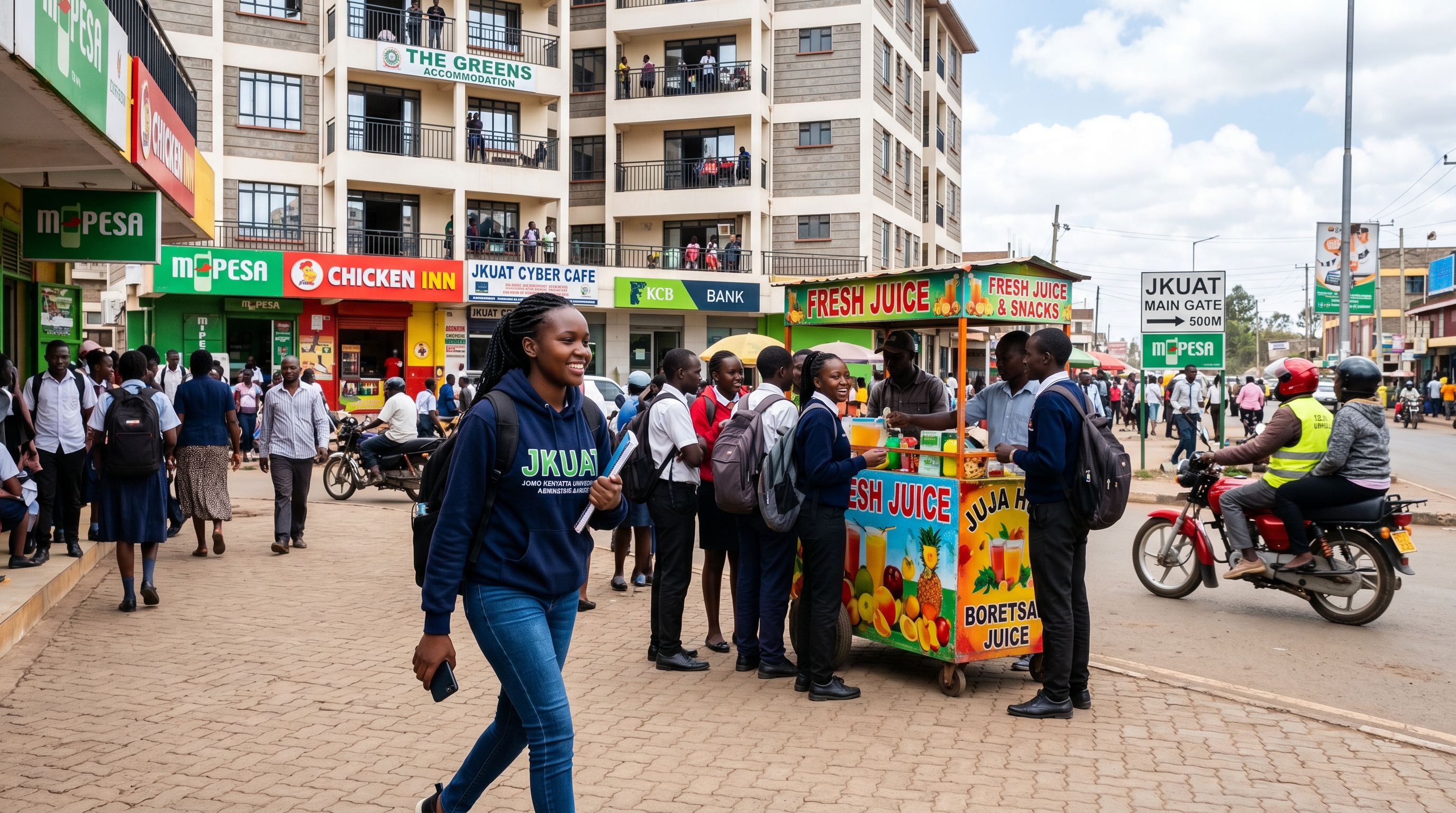
Living in Juja, Kiambu: The University Town That Became a Satellite City — Prices, Estates & Honest Guide (2026)
Juja houses from KSh 1.2M, rent from KSh 2.5K. JKUAT area, Kenyatta Road estates, Kalimoni, Witeithie. Student yields 9-15%.
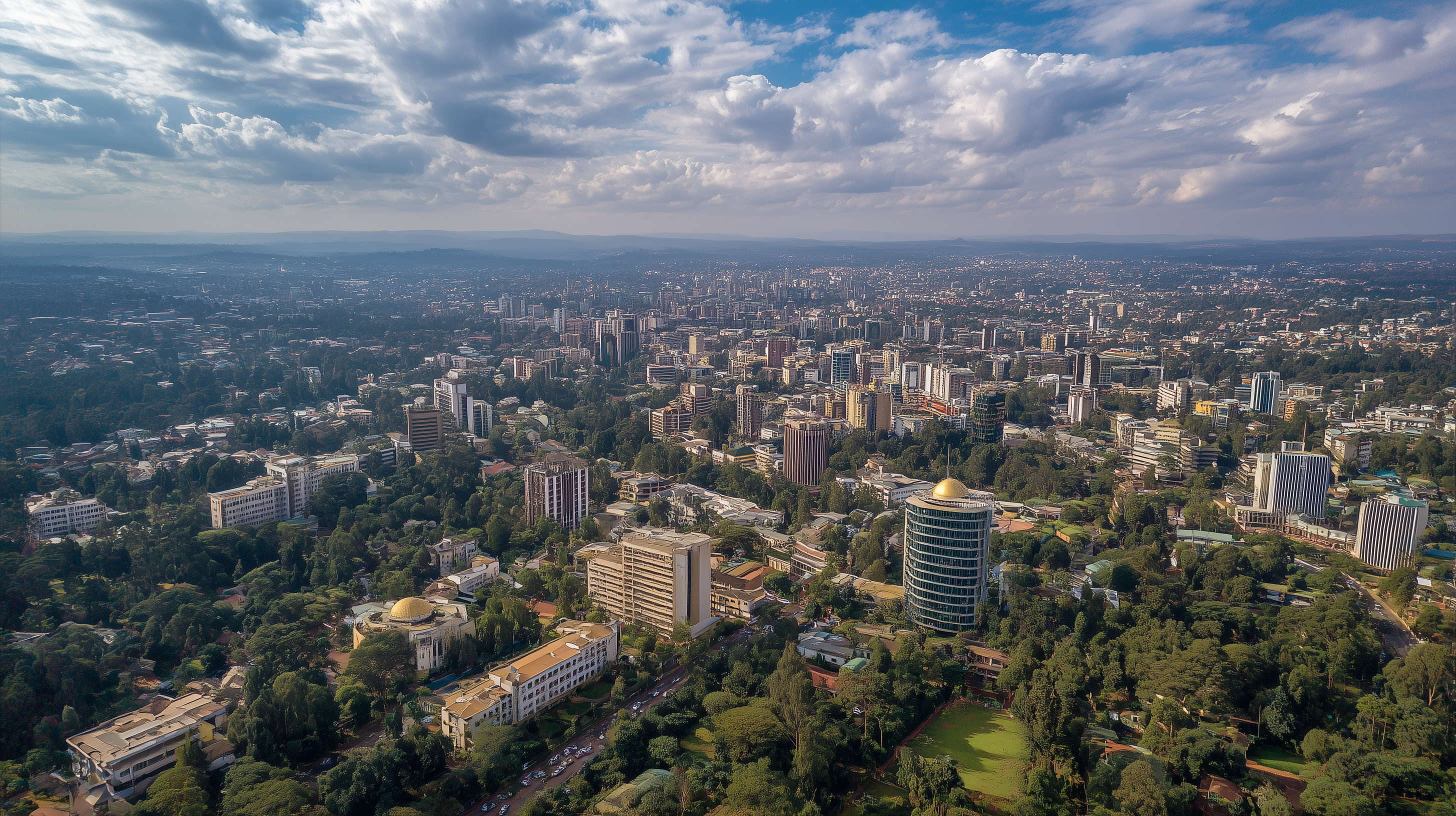
Westlands Property Guide: Prices, Lifestyle & Investment (2026)
Complete guide to Westlands real estate. Apartments from KES 8M, rental yields 6-8%, plus lifestyle amenities. Browse verified Westlands listings today.
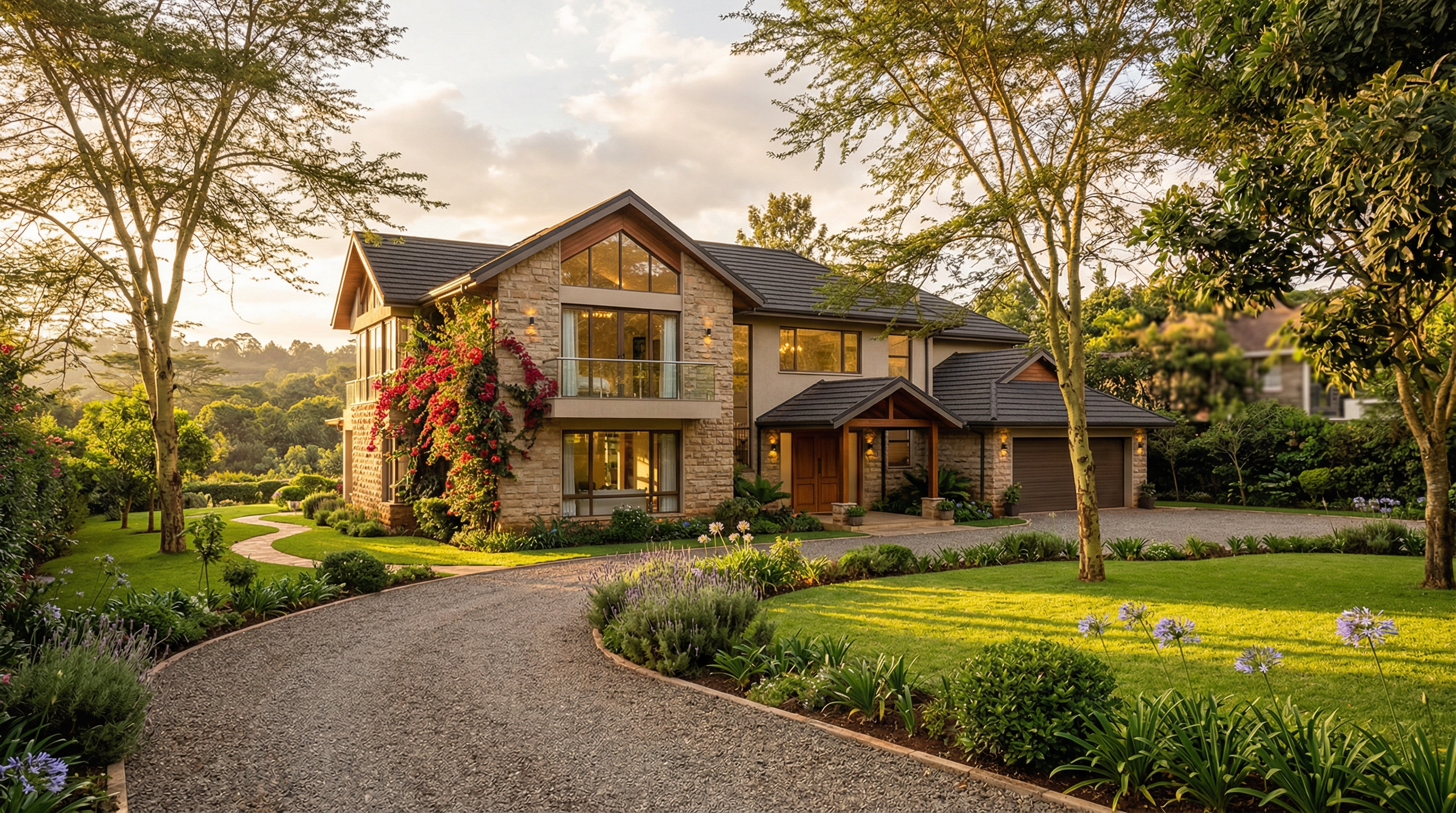
Houses for Sale in Karen: Price Guide 2026
Karen house prices from KES 35M–250M+. 4-bedroom, 5-bedroom, villas. Karen Hardy, Ndege Road, budget breakdown. Updated March 2026.