
Living in Upper Hill, Nairobi: Prices, Offices, Lifestyle & Honest Guide (2026)
Upper Hill apartments from KSh 5.1M, rent from KSh 40K. Britam Tower district, KNH access, corporate rental yields, honest pros and cons.
Living in Upper Hill, Nairobi: Where the Skyline Meets the Stethoscope
Upper Hill is Nairobi's corporate district — a 280-hectare cluster of glass towers, financial institutions, embassies, and hospitals located approximately 2–4 kilometres southwest of the CBD. Apartments for sale range from KSh 5.1M to KSh 45.5M, with typical 2-bed units at KSh 9.6M–12.8M and 3-bed units at KSh 17M–20M. Rentals span KSh 40,000 to KSh 195,000 per month, with the neighbourhood-wide average around KSh 100,000. But Upper Hill is not a conventional neighbourhood — it is primarily a commercial zone that happens to have a growing residential component, and understanding this duality is essential before buying or renting here.
Home to the Britam Tower (Kenya's tallest building at 200 metres), UAP Old Mutual Tower, KCB Plaza, and Kenyatta National Hospital (East Africa's largest referral hospital), Upper Hill generates enormous daytime foot traffic that largely disappears by evening. The residential stock is newer, often high-rise, and targets corporate professionals, medical workers, and investors seeking proximity to Nairobi's financial and healthcare epicentre. For buyers who want a live-work-invest address at the heart of Kenya's economic engine, Upper Hill is a compelling — if unconventional — proposition.
Quick Facts: Upper Hill at a Glance
Detail | Upper Hill |
|---|---|
Location | 2–4 km southwest of Nairobi CBD |
Sub-county | Straddles Kibra and Westlands (divided by Ngong Road) |
Area | ~280 hectares (700 acres) |
Character | Corporate/financial district with growing residential |
Apartment prices (sale) | KSh 5.1M–45.5M (avg ~KSh 12M for 2-bed) |
Rental range | KSh 40,000–195,000/month |
Key landmarks | Britam Tower, KCB Plaza, Kenyatta National Hospital, Radisson Blu |
Commute to CBD | 5–15 min by car; 20 min walk |
Dominant land use | Commercial/office (~70%), residential (~20%), institutional (~10%) |
Office oversupply | Significant — many post-2015 towers have struggled with occupancy |
Upper Hill Property Prices in 2026
Apartments for Sale
Type | Price Range (KSh) | Notes |
|---|---|---|
1-bed apartment | 5.1M–8.6M | Standard builds off Mawensi Road; compact (50–70 sqm) |
1-bed (premium) | 7.9M–24.2M | Capital Aria and ultra-premium towers; larger footprints |
2-bed apartment | 9.6M–13M | Most common investment unit; Capital Aria from KSh 12.8M |
2-bed + studio | 19M | Furnished; dual-use (live + Airbnb the studio) |
3-bed apartment | 17M–20M | Fewer options — Upper Hill stock is weighted toward 1-2 bed |
3-bed + DSQ | 19.8M–45.5M | Premium developments near Westlands/Highridge border |
Rental Prices
Unit Type | Rent (KSh/month) | Notes |
|---|---|---|
1-bed apartment | 40,000–70,000 | Unfurnished; basic finish in older buildings |
1-bed furnished | 90,000–140,000 | Serviced apartments near corporate offices; includes utilities |
2-bed apartment | 63,000–140,000 | Unfurnished avg ~KSh 90,000; furnished premium |
2-bed furnished | 130,000–180,000 | Targeting corporate lets and short-stay |
3-bed apartment | 100,000–150,000 | Limited supply; mostly ground-floor units with gardens |
4-bed apartment | 150,000–195,000 | Executive-grade; gated compounds |
Context: Upper Hill's residential pricing sits between Kilimani (slightly cheaper for comparable units) and Westlands (slightly more expensive at the premium end). The key difference is that Upper Hill's residential supply is smaller and newer — most apartments were built after 2015, meaning fewer options but generally better build quality and amenities than older stock in surrounding areas.
Streets and Micro-Areas of Upper Hill
Hospital Road Corridor
The symbolic spine of Upper Hill. Britam Tower (Kenya's tallest at 200m, 32 floors) and UAP Old Mutual Tower (163m, 33 floors) dominate this stretch. KCB Plaza (109m, 21 floors) adds to the skyline. The road connects to Ngong Road and provides the primary vehicle access to the district. Kenyatta National Hospital — East Africa's largest referral hospital with over 6,000 beds — anchors the eastern end. Residential options along Hospital Road are limited; this is primarily office territory. But apartments in adjacent streets benefit from the infrastructure and foot traffic this corridor generates.
Mawensi Road Area
The emerging residential pocket of Upper Hill. Capital Aria development (off Mawensi Road) is the most visible new residential project — 1-bed from KSh 7.9M, 2-bed from KSh 12.8M, 3-bed from KSh 19.8M. The area is quieter than Hospital Road while still within walking distance of corporate offices. Several smaller apartment blocks offer furnished and unfurnished options targeting KNH medical staff and corporate professionals. This is the micro-area most suited for owner-occupiers and long-term renters.
Kiambere Road / 2nd Ngong Avenue
Upper Hill Chambers (104m, 26 floors) stands on 2nd Ngong Avenue. Kiambere Road hosts multiple Grade A office buildings. Office space rents range from KSh 85,000–750,000/month depending on size and grade. For investors interested in commercial property rather than residential, this corridor is the primary focus — but commercial real estate is a specialist market requiring different expertise and capital requirements than residential.
Upper Hill Road / Matumbato Road
Residential compounds, some with older, spacious apartments in quieter settings. Pam Golding lists furnished 2-bed and 3-bed apartments here from KSh 130,000–180,000/month — targeting expats and corporate lets. Ground-floor units often come with private gardens. The character is more compound-like than high-rise, offering a different lifestyle option within Upper Hill.
Elgon Road / Community Area
Borders the Community residential area to the south — technically a separate neighbourhood but functionally connected to Upper Hill. Strathmore University and Strathmore Business School are nearby, generating student and academic tenant demand. The transition between Upper Hill's corporate character and the more residential Community/Madaraka areas creates a useful price gradient for buyers seeking proximity without full Upper Hill pricing.
What It Is Like to Live in Upper Hill
Living in Upper Hill feels different from any other Nairobi neighbourhood. During working hours (7am–6pm), the streets buzz with suited professionals, delivery riders, and the lunch rush at Java House, Noma Caffe, and the hotels. After 7pm, it becomes remarkably quiet. This is not inherently negative — residents who value peace and quiet in the evenings appreciate the contrast — but it means Upper Hill lacks the neighbourhood-feel of areas like Parklands or Lavington, where restaurants, shops, and community life continue into the evening.
Walkability within Upper Hill is good by Nairobi standards — the distances are manageable, the roads are generally well-maintained, and the corporate security presence (private guards at every major building) makes daytime walking feel safe. Walking to the CBD takes approximately 20 minutes. Uhuru Park and the Nairobi Arboretum are both within a short walk for green space. The Nairobi Expressway has improved connectivity to JKIA — the airport is now reachable in 20–30 minutes via the toll road.
The residential stock is almost entirely apartments — there are virtually no standalone houses left in Upper Hill. Most apartment buildings are modern (post-2015), mid-to-high-rise, with amenities like gyms, swimming pools, backup generators, CCTV, and controlled access. Water supply is supplemented by boreholes in most modern buildings, though older stock may rely on council supply with its associated rationing risks. Internet connectivity is excellent — fibre coverage from multiple providers is standard.
The social scene centres on hotels. Radisson Blu, The Boma Nairobi, Crowne Plaza, and the Mercure Hotel all have restaurants and bars that serve as informal meeting places for Upper Hill's professional community. Nairobi Garage (coworking space) provides a startup/freelancer scene. Capital Centre on Mombasa Road (a short drive) offers shopping and cinema. For serious grocery shopping, most residents drive to Yaya Centre, Prestige Plaza, or Sarit Centre in Westlands — Upper Hill itself lacks a major supermarket, which is a genuine lifestyle gap.
Security is a strength. The concentration of embassies, financial institutions, and corporate headquarters means there is significant private security infrastructure. The Diplomatic Police Unit covers parts of the area. However, standard urban caution applies — petty crime exists, especially targeting pedestrians carrying laptops or phones on quieter streets after dark.
A Brief History
Upper Hill's transformation is one of the most dramatic in Nairobi's urban history. During the colonial era, the 280-hectare area was designated as low-density residential for government officers — colonial bungalows built in the 1960s and 1970s, set on generous plots with mature gardens. Much of the land was owned by Kenya Railways. The 1992 Hill Area Zoning Plan and subsequent 1993 policy recommendations formally proposed rezoning to commercial use, intended to decongest the CBD. The 2010 Action Plan raised allowable building heights from five to ten floors, triggering the construction boom that produced the current skyline.
Today, the colonial bungalows are almost entirely gone — replaced by glass towers housing KPMG, Deloitte, Equity Bank, CIC Insurance, and numerous embassies. The transformation happened faster than infrastructure could follow: roads designed for residential traffic now serve thousands of daily commuters, and drainage systems built for bungalows strain under the weight of 30-storey towers. Understanding this history matters for buyers because it explains both the opportunity (modern buildings in a central location) and the limitations (infrastructure gaps that may take years to resolve).
Amenities in Upper Hill
Healthcare
Kenyatta National Hospital — East Africa's largest referral hospital with 6,000+ beds, located on Hospital Road. Nairobi Hospital is nearby on Argwings Kodhek Road. AAR Healthcare has a clinic in the district. Multiple specialist practices and pharmacies serve the corporate population. For residents, the healthcare access is unmatched — KNH alone employs thousands of medical professionals who form a key tenant segment for Upper Hill apartments.
Education
Strathmore University and Strathmore Business School are the headline institutions, located on the southern edge. Hospital Hill School serves the primary level. Upper Hill is not a school-rich neighbourhood compared to Parklands or Karen — families with school-age children typically commute to neighbouring areas for education. This limits Upper Hill's appeal for families relative to other Nairobi neighbourhoods.
Shopping and Dining
Capital Centre (nearby on Mombasa Road) for shopping and cinema. Radisson Blu, Crowne Plaza, The Boma for dining. Java House, Noma Caffe, and several lunch spots serve the corporate crowd. Yaya Centre (Kilimani, 5 min drive) and Prestige Plaza (Ngong Road, 5 min) for full grocery and retail. No major supermarket within Upper Hill itself — this is a persistent gap.
Recreation
Uhuru Park — a short walk from Upper Hill's northern edge. Recently renovated with improved pathways, landscaping, and security. Popular with joggers and families on weekends. Nairobi Arboretum — 30 hectares of indigenous forest, a 10-minute walk from many Upper Hill apartments. Entry is KSh 100 for adults. Offers walking trails, bird watching, and a genuine escape from the concrete district. Nyayo National Stadium — sports events and jogging paths around the perimeter. Nairobi Railway Museum — historical attraction near the station for weekend visits. Hotel gyms and pools (Radisson Blu, Crowne Plaza, The Boma) are the primary fitness options — several offer day passes or monthly memberships for non-guests, making them practical for residents without in-building gym facilities.
Transport Infrastructure
Upper Hill benefits from its central position. Uhuru Highway and Ngong Road provide the primary vehicle corridors. The Nairobi Expressway — accessible via the Haile Selassie Avenue interchange — connects to JKIA in 20–30 minutes (toll: approximately KSh 350–500 depending on entry point). Matatu routes from the CBD (Kencom stage) serve Upper Hill directly. The planned Bus Rapid Transit (BRT) system, if implemented along Ngong Road, would significantly improve public transport access. For now, ride-hailing remains the most popular transport option among residents — the density of Uber and Bolt drivers in the corporate district means wait times are typically under 5 minutes during working hours.
Pros and Cons of Living in Upper Hill
Pros
Unbeatable proximity to work. If you work in finance, insurance, consulting, or healthcare in Upper Hill, living here eliminates commuting — the single biggest quality-of-life improvement available in Nairobi. Walking to work in 10 minutes while colleagues spend 1–2 hours in traffic is a transformative lifestyle advantage.
Modern building stock. Most residential apartments were built after 2015, meaning contemporary finishes, amenities, building codes, and construction quality. Fewer of the maintenance headaches that plague older stock in Kilimani or Parklands.
Corporate rental demand is strong. Companies housing employees and expats near their offices creates consistent demand for furnished and serviced apartments. Short-to-medium-term corporate lets can command premium rents.
Security infrastructure is robust. The embassy/financial district concentration means serious private security presence beyond what residential-only neighbourhoods offer.
Expressway access to JKIA. The Nairobi Expressway connection means the airport is 20–30 minutes away — valuable for frequent travellers.
Green space is surprisingly accessible. Uhuru Park and the Nairobi Arboretum are both within walking distance — unusual for a commercial district.
Cons
Upper Hill is not a neighbourhood — it is a business district. After 7pm and on weekends, the area empties. There is no neighbourhood shopping street, no evening café culture, no Saturday morning farmers' market. If you value community and social life at your doorstep, Upper Hill will feel isolating.
No major supermarket. Residents must drive to Yaya Centre, Prestige Plaza, or Sarit Centre for groceries. This is a significant daily inconvenience that affects quality of life.
Limited school options. Families with children will commute to schools in Kilimani, Lavington, or Parklands. Upper Hill is better suited for singles, couples, and young professionals without school-age children.
Office oversupply affects the broader market. Many commercial towers completed after 2015 have struggled with occupancy. While this does not directly affect residential prices, it signals that the district's commercial boom has limitations. Some investors have seen slower-than-expected returns on office-to-residential conversion projects.
Traffic bottlenecks during peak hours. Hospital Road, Ngong Road, and the CBD connections get severely congested between 7–9am and 5–7pm. The narrow colonial-era roads were not designed for current vehicle volumes. If you commute out of Upper Hill for work, the traffic advantage reverses.
Weekend emptiness can feel uncomfortable. The lack of foot traffic on weekends means quieter streets but also fewer eyes on the street. Some residents report feeling less safe walking in Upper Hill on Sunday afternoons than on Tuesday mornings.
Upper Hill Compared to Neighbouring Areas
Factor | Upper Hill | Kilimani | Westlands |
|---|---|---|---|
2-bed apartment (sale) | KSh 9.6M–13M | KSh 8M–18M | KSh 12M–25M |
2-bed rent | KSh 63K–140K | KSh 55K–120K | KSh 70K–150K |
Distance to CBD | 2–4 km | 3–5 km | 4–6 km |
Weekend life | Very quiet | Active | Active |
Supermarket | None nearby | Multiple | Multiple |
Schools | Limited | Moderate | Moderate |
Healthcare | KNH + Nairobi Hospital | Moderate | Aga Khan nearby |
Building stock age | Mostly post-2015 | Mixed (1990s–2020s) | Mixed, newer premium |
Best for | Corporate professionals, medical staff, investors | Young professionals, families | Corporates, expats |
Getting Around: Commute from Upper Hill
Destination | Mode | Estimated Time |
|---|---|---|
Nairobi CBD | Walk / car | 20 min walk; 5–15 min car |
Westlands | Car | 15–25 min |
Kilimani | Car / walk | 10–20 min |
JKIA (airport) | Car / Expressway | 20–30 min |
Karen | Car | 30–45 min |
Parklands | Car | 15–25 min |
Lavington | Car | 15–20 min |
Matatus to Upper Hill depart from Kencom bus stop on Moi Avenue (CBD). Fare is typically KSh 50–60. Ride-hailing apps (Uber, Bolt) are heavily used by Upper Hill's professional population and generally respond quickly given the density of drivers serving corporate clients.
Investment Outlook for Upper Hill
What is working
Upper Hill's residential market is small but targeted. The tenant profile — corporate professionals, KNH medical staff, visiting consultants, embassy workers — is high-quality and generates consistent demand for furnished and semi-furnished apartments. Short-stay corporate lets can command KSh 5,000–15,000 per night for well-furnished units near the financial district. The 280-hectare footprint with no room for horizontal expansion means any residential supply is constrained by land availability.
The Pinnacle — a planned 300-metre tower that would become Africa's tallest residential building — has been under development for Upper Hill, though completion timelines remain uncertain. If completed, it would add 150 luxury apartments and further cement Upper Hill's premium positioning. Investors should note this as future supply but not base decisions on it.
What to watch
Office oversupply is real. Multiple commercial towers completed since 2015 have struggled to fill tenancy. This has depressed office rents and created an environment where some developers are exploring office-to-residential conversions. For residential investors, this creates opportunity (cheaper land and conversion projects) but also signals that Upper Hill's growth narrative has limits.
The residential ecosystem is incomplete. Without a supermarket, diverse dining, or schools, Upper Hill cannot attract the broad tenant base that sustains areas like Kilimani or Westlands. Residential demand is concentrated among a specific profile — single professionals and corporate tenants without school-age children. This narrows the market.
Infrastructure gaps persist. The narrow roads designed for colonial-era bungalows now carry commercial-district traffic volumes. Water supply is supplemented by boreholes in newer buildings, but some older compounds still depend on unreliable council supply. Drainage remains a concern during heavy rains, particularly in low-lying sections near Ngong Road. The government has earmarked infrastructure upgrades as part of broader Nairobi improvement plans, but delivery timelines for Upper Hill specifically are unclear.
The 2027 election cycle will affect transaction volumes across Nairobi, including Upper Hill. Budget for a 12–18 month slowdown period around the election date.
Short-term rentals (Airbnb / corporate stays)
Upper Hill's Airbnb market is corporate-oriented rather than tourist-oriented. Guests are typically business travellers, medical tourists visiting KNH, conference attendees, and diaspora visitors. This creates more consistent demand than leisure-dependent markets but is sensitive to corporate travel budgets and economic cycles. A well-furnished 1-bed can generate KSh 4,000–8,000 per night; a 2-bed KSh 8,000–15,000. Blended annual occupancy of 50–65% is realistic for a well-managed unit — higher than Nairobi's overall Airbnb median of 46% given the corporate demand driver. Professional management is essential and costs 20–30% of gross revenue. Hotels like Radisson Blu and Crowne Plaza represent direct competition for short-stay corporate travellers, so pricing must remain competitive against their corporate rates.
For Diaspora Investors
Upper Hill suits diaspora investors seeking a corporate-adjacent, modern apartment that can serve as both a personal pied-à-terre during visits and a furnished rental during absences. A 1-bed at KSh 7.9M–8.6M (approximately $60K–$66K) generates KSh 90,000–140,000/month furnished — attractive yields when occupancy is strong. The risk is that Upper Hill's rental demand is narrower than in more diversified neighbourhoods.
Key steps: engage a verified agent on Afriqahome, verify the title on Ardhisasa, and ensure the building's management company is reputable — in Upper Hill, building management quality directly affects rental income. Use the stamp duty calculator to budget total acquisition costs (stamp duty 4% + legal fees 1–1.5% + valuation).
For country-specific buying guidance: USA · UK · UAE · Canada.
Frequently Asked Questions
How much does an apartment cost in Upper Hill, Nairobi?
Apartments for sale in Upper Hill range from KSh 5.1M (basic 1-bed) to KSh 45.5M (premium 3-bed + DSQ). The most common investment units — 2-bed apartments — sell for KSh 9.6M–13M. Rentals range from KSh 40,000/month (unfurnished 1-bed) to KSh 195,000 (4-bed executive apartment). Furnished corporate lets command significant premiums, with 1-bed furnished units at KSh 90,000–140,000/month.
Is Upper Hill a good place to live or is it just for offices?
Upper Hill is primarily a commercial district, but its residential component is growing. It suits specific profiles: professionals who work in the district and want to eliminate commuting, medical staff at Kenyatta National Hospital, and investors targeting corporate lets. It does not suit families needing schools, residents seeking evening social life, or anyone who wants a neighbourhood-feel with shops and restaurants at their doorstep. The lifestyle trade-off is real — proximity to work versus limited residential amenities.
What is the Britam Tower and why does it matter for Upper Hill?
Britam Tower is Kenya's tallest building at 200 metres (32 floors), located on Hospital Road. Completed in 2017 and opened in 2018, it houses Britam Holdings' headquarters and 350,000 sqft of lettable office space. It matters because it symbolises Upper Hill's positioning as Nairobi's financial district and anchors the corporate ecosystem that drives residential rental demand. The building won the 2018 Emporis Skyscraper Award for Africa and features Africa's fastest elevator system.
How does Upper Hill compare to Kilimani or Westlands for living?
Upper Hill is cheaper than Westlands for equivalent modern stock (2-bed from KSh 9.6M vs KSh 12M+) and comparable to Kilimani. The critical differences: Upper Hill has superior healthcare access and newer buildings but lacks supermarkets, schools, and evening life. Kilimani offers more lifestyle amenities and a mixed residential character. Westlands offers the strongest commercial infrastructure with better retail and dining. Choose Upper Hill if you work there and value the commute advantage; choose Kilimani or Westlands if you want a fuller residential experience.
What rental yield can I expect from an Upper Hill apartment?
Unfurnished long-term lets yield 5–6.5% gross on purchase price. Furnished corporate lets can reach 7–9% gross when occupancy is strong, but are more management-intensive and have higher vacancy risk between tenants. A 2-bed apartment purchased at KSh 12M and rented unfurnished at KSh 90,000/month delivers approximately 9% gross — but net yields after service charges, management, and vacancy allowance typically come in at 5–7%. Short-stay (Airbnb) can outperform but requires active management.
Is Upper Hill safe for residents?
Upper Hill benefits from significant private security infrastructure serving its corporate tenants, embassies, and financial institutions. Most apartment buildings have 24-hour security, CCTV, and controlled access. The area is generally safe during daytime. After dark and on weekends, the reduced foot traffic means quieter streets — most residents use ride-hailing rather than walking at night. Standard Nairobi urban precautions apply. The embassy/financial district security presence provides an additional layer of deterrence.
Explore Upper Hill on Afriqahome
Browse apartments for sale in Nairobi or houses for sale from verified agents.
Compare Upper Hill with neighbouring areas: Living in Kilimani · Westlands Property Guide · Living in Parklands · Living in Lavington · Best Areas to Live in Nairobi.
For buying process guidance: How to Buy Land in Kenya · First-Time Buyer Guide · Stamp Duty & Closing Costs · Due Diligence Checklist · Verify an Agent.
For diaspora investors: Diaspora Investment Hub · Buy from USA · Buy from UK · Buy from UAE · Buy from Canada.
Other Guides

Living in Juja, Kiambu: The University Town That Became a Satellite City — Prices, Estates & Honest Guide (2026)
Juja houses from KSh 1.2M, rent from KSh 2.5K. JKUAT area, Kenyatta Road estates, Kalimoni, Witeithie. Student yields 9-15%.
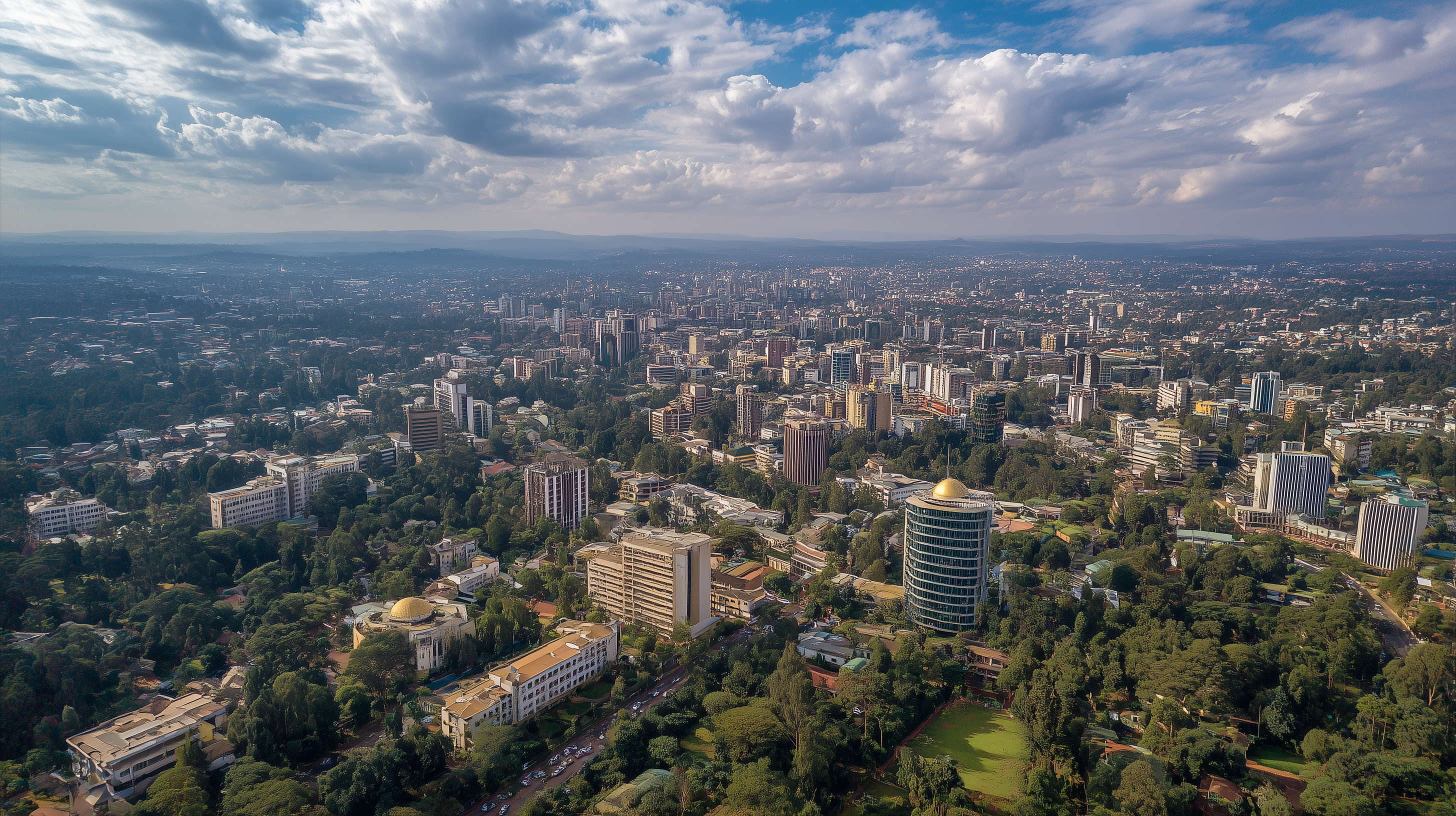
Westlands Property Guide: Prices, Lifestyle & Investment (2026)
Complete guide to Westlands real estate. Apartments from KES 8M, rental yields 6-8%, plus lifestyle amenities. Browse verified Westlands listings today.
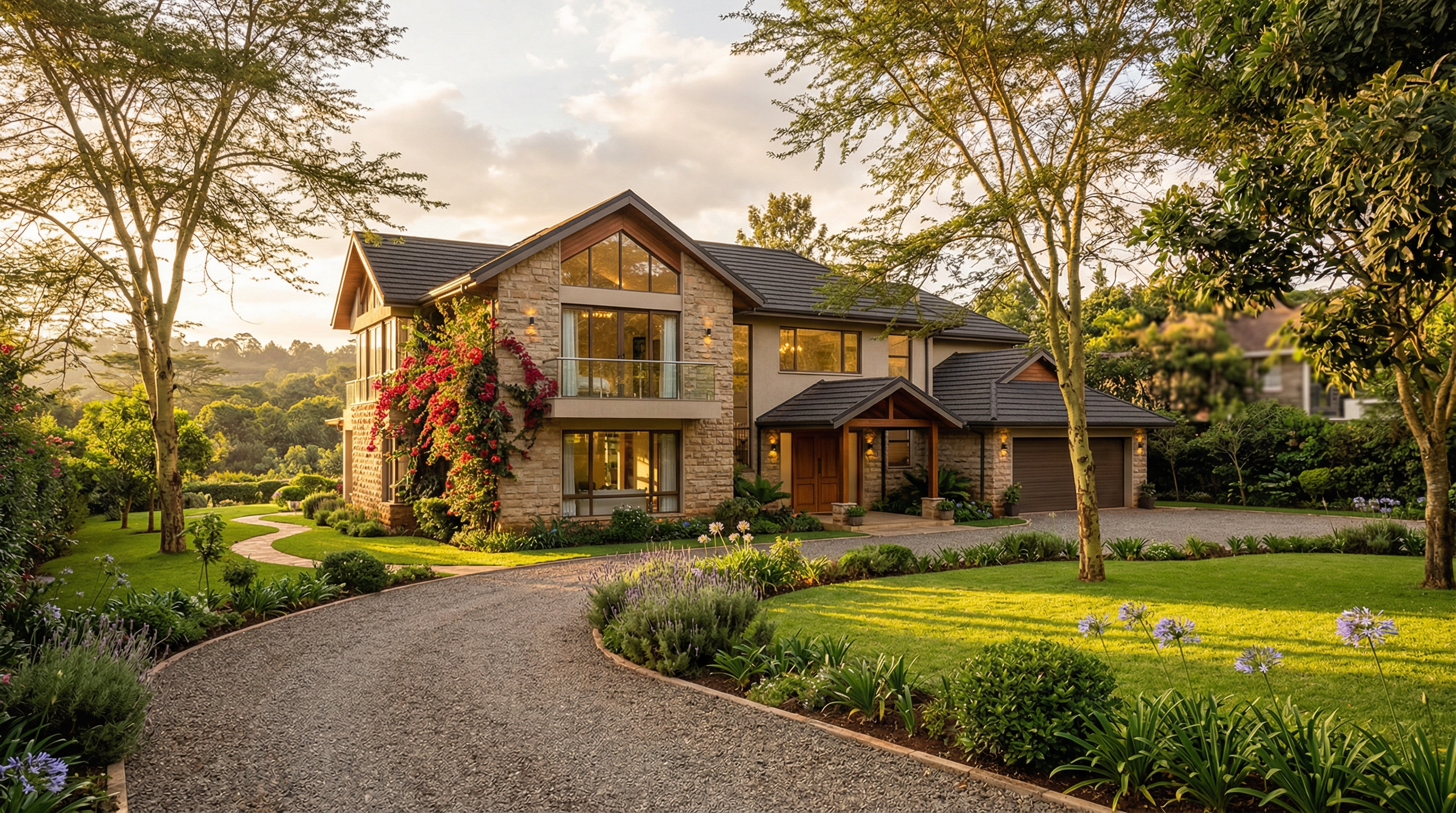
Houses for Sale in Karen: Price Guide 2026
Karen house prices from KES 35M–250M+. 4-bedroom, 5-bedroom, villas. Karen Hardy, Ndege Road, budget breakdown. Updated March 2026.