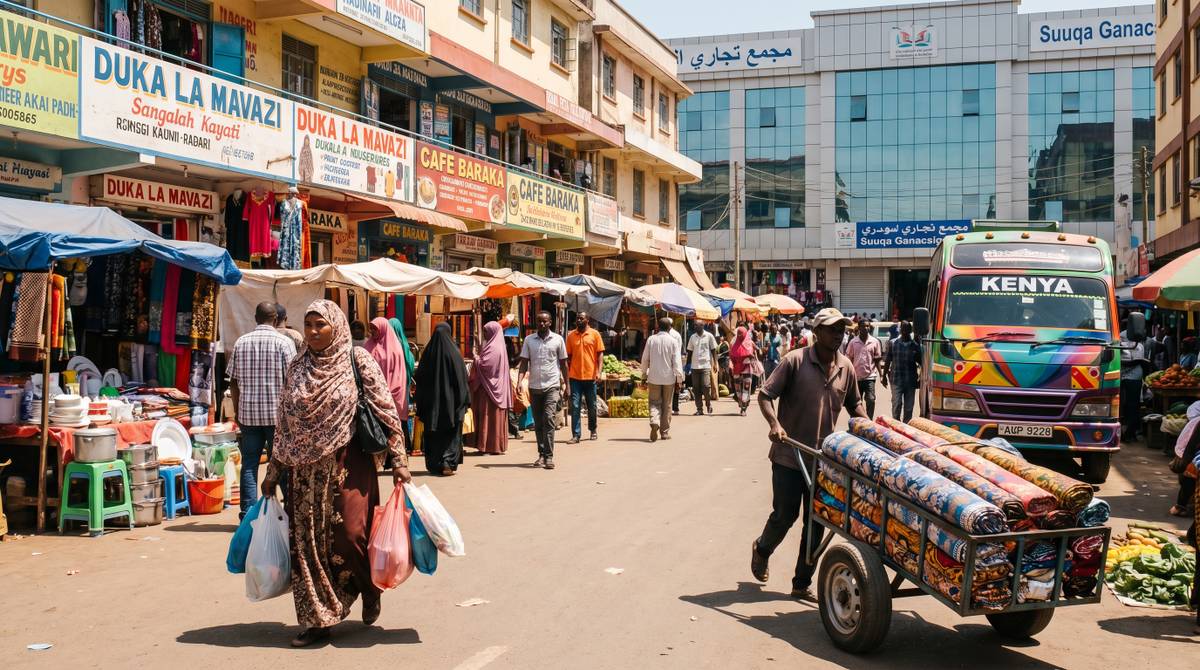
Living in Eastleigh, Nairobi: Prices, Malls, Safety & 2026 Guide
Eastleigh rent from KES 5,000/month. 72+ malls, 25,000 shops, 8-12% yields. Honest guide: prices, pros & cons, safety, transport, and investment outlook.
Eastleigh at a Glance
Eastleigh is a densely populated, commercially driven neighbourhood located approximately 3 kilometres east of Nairobi's CBD. Often called "Little Mogadishu," it is the largest Somali business and residential hub outside of Somalia. With an estimated 200,000 to 500,000 residents, at least 72 shopping malls, and more than 25,000 shops, Eastleigh accounts for an estimated 35–40% of KRA tax collection in Nairobi — a remarkable figure for a neighbourhood that covers roughly 2,000 acres.
Eastleigh is not a typical Nairobi residential neighbourhood. It is first and foremost a commercial engine, powered by wholesale trade, diaspora capital, and cross-border networks stretching from Dubai and Mogadishu to Kampala, Juba, and beyond. Living here means living inside that engine — with all the energy, opportunity, congestion, and complexity that comes with it.
This guide covers what it actually costs to live here, what the area offers, what to watch for, and who Eastleigh works best for in 2026.
Quick Facts
Detail | Information |
|---|---|
Location | East of Nairobi CBD, across River Nairobi. Sub-county: Kamukunji |
Administrative wards | Eastleigh North, Eastleigh South, Airbase |
Sub-neighbourhoods | California, Maina Wanjigi, Section I–III |
Distance to CBD | ~3 km (15–30 min by matatu depending on traffic) |
Population | Estimated 200,000–500,000 |
Dominant community | Ethnic Somali (Kenyan Somalis and Somali nationals) |
Key economic activity | Wholesale and retail trade (textiles, clothing, electronics, jewellery) |
Bedsitter rent | KES 5,000 – 10,000/month |
1-BR apartment rent | KES 8,000 – 15,000/month |
2-BR apartment rent | KES 12,000 – 25,000/month |
Major malls | BBS Mall, Garissa Lodge (original), Amal Plaza, Al-Fatah Plaza, Nomad Centre |
Transport | Matatu routes 6, 9 (from CBD), 17, 28 (from Gikomba) |
Apartment and Rental Prices in Eastleigh (2026)
Eastleigh is one of the most affordable rental markets within Nairobi's inner city. Prices are low compared to Kilimani, Westlands, or even South B — but the quality and character of housing here is different.
Property Type | Monthly Rent (KES) | Notes |
|---|---|---|
Bedsitter | 5,000 – 10,000 | Most common entry point; widely available |
1-Bedroom | 8,000 – 15,000 | Standard in both older and newer buildings |
2-Bedroom | 12,000 – 25,000 | Newer buildings with lifts command higher rents |
3-Bedroom | 20,000 – 40,000 | Available in newer developments; some with DSQ |
Furnished 1-BR (short-term) | 25,000 – 45,000 | Growing segment; business travellers and diaspora visitors |
Property for Sale
Eastleigh's commercial property market is significantly more expensive than its residential rental market suggests. Land in Eastleigh North — the commercial heart — commands some of the highest prices per square metre in Nairobi outside the CBD. A 50x100 plot in a prime Eastleigh location can cost KES 50–100 million+ due to the commercial redevelopment potential.
Apartment blocks for sale (income-generating rental buildings) range from KES 30 million for older blocks with smaller units to KES 250 million+ for newer multi-storey commercial-residential developments. Individual apartment units in newer developments start from approximately KES 3–6 million for 1–2 bedroom units.
For a broader Nairobi price comparison, see our apartment prices guide.
Streets and Micro-Areas
Eastleigh North (The Commercial Heart)
This is where the economic action is. First Avenue (1st Street) is the main commercial artery — a dense corridor of malls, wholesale shops, and street vendors. Eastleigh North contains the majority of the 72+ malls, including the massive Business Bay Square (BBS) mall — modelled on a Dubai-style shopping experience with 3,500 shops, residential apartments, and commercial space. Other notable malls include Garissa Lodge (the original catalyst for Eastleigh's commercial transformation), Amal Plaza, and Al-Fatah Plaza.
Eastleigh South
More residential than the north, though commercial activity spills over. California and Maina Wanjigi neighbourhoods sit within Eastleigh South. Housing is generally older and more affordable. Street markets and small restaurants line the main roads.
Airbase
Named after the Moi Air Base (formerly RAF Eastleigh) that occupies the northern section. This area is quieter than the commercial core, with a mix of residential blocks and open space near the base perimeter.
California
A sub-neighbourhood that has seen significant high-rise development in recent years. New apartment blocks with lifts, backup generators, and borehole water are changing the housing stock. This area bridges Eastleigh proper and the Pangani/Ngara area to the west.
What It's Like to Live in Eastleigh
Eastleigh is not a quiet residential suburb. It is a working neighbourhood where commerce and daily life are deeply intertwined. The pace is fast, the streets are crowded, and the energy is unmistakable.
Daily Life
The neighbourhood operates on a commercial rhythm. Streets fill early with delivery trucks, hawkers, and shoppers. Somali restaurants and cafes serve as social hubs — expect freshly roasted coffee (shaah), lahoh (Somali pancakes), and suqaar (meat stew) at any hour. The Islamic call to prayer from the numerous mosques provides the daily soundtrack. Arabic and Somali signage is common alongside Swahili and English.
Food and Dining
Eastleigh has some of the best Somali and East African cuisine in Nairobi. Restaurants like Kilimanjaro Food Court, Nomad Palace, Sakina Hotel, and Hashkies serve authentic Somali dishes at prices well below equivalent Westlands restaurants. Camel milk — a Somali staple — is readily available. The dining scene is vibrant and affordable.
Walkability
The commercial core is highly walkable — in fact, walking is often faster than driving due to chronic traffic congestion. However, sidewalks are narrow and often occupied by vendors. Pedestrian safety requires standard urban awareness, particularly at night.
Amenities
Shopping
This is Eastleigh's defining feature. The 72+ malls and 25,000+ shops offer wholesale and retail goods — primarily textiles, clothing, shoes, jewellery, electronics, and accessories — imported from Dubai, China, and Mogadishu. Prices are typically 30–50% lower than equivalent goods in Nairobi's CBD malls. BBS Mall is the largest, with a Dubai-style layout across multiple floors.
Healthcare
Eastleigh has several private clinics and dispensaries. Pumwani Maternity Hospital (one of Kenya's largest) is located on the neighbourhood's edge. For specialist care, residents typically travel to Nairobi's main hospitals (Kenyatta National Hospital, Aga Khan, Nairobi Hospital) — all within 15–30 minutes.
Schools
Schools in and around Eastleigh include Eastleigh High School, Maina Wajingi High School (girls' public secondary), and numerous private and Islamic schools. Kenya Christian Training Institute offers technical courses. For international-standard schools, residents look to nearby areas like Parklands and Westlands.
Worship
Eastleigh has numerous mosques, reflecting the predominantly Muslim community. The Eastleigh Jamia Mosque is a major religious and cultural landmark. Christian churches are also present, including Deliverance Church on Sergeant Kahande Street.
Pros and Cons of Living in Eastleigh
Pros
Advantage | Detail |
|---|---|
Affordable rent | Some of the lowest rents within inner Nairobi — bedsitters from KES 5,000 |
Proximity to CBD | 3 km from the city centre; multiple matatu routes |
Commercial opportunity | If you are in trade — wholesale clothing, electronics, textiles — there is no better base in East Africa |
Cultural richness | Authentic Somali cuisine, strong community networks, unique character |
New developments | High-rise residential blocks with modern amenities (lifts, generators, boreholes) are improving housing stock |
Strong rental yields | High demand for affordable housing drives yields of 8–12% for well-located apartment blocks |
Cons
Disadvantage | Detail |
|---|---|
Congestion | Traffic and pedestrian congestion are severe, especially in Eastleigh North. Roads are narrow relative to the volume of commercial activity |
Infrastructure strain | Drainage, waste management, and road quality lag behind the pace of development. Flooding is a recurring issue |
Noise | This is not a quiet neighbourhood — commercial activity, traffic, and construction create a consistently high noise level |
Security perception | Eastleigh has faced security incidents linked to broader regional issues. While day-to-day safety has improved significantly, the area still carries a stigma that does not always match current reality |
Limited green space | Almost no parks or open recreational areas within the neighbourhood |
Building quality variance | Older buildings may have poor structural standards. Always verify NCA approval before buying or renting in a high-rise |
Comparison: Eastleigh vs Nearby Neighbourhoods
Factor | Eastleigh | South B / South C | Pangani / Ngara |
|---|---|---|---|
1-BR rent | KES 8,000 – 15,000 | KES 20,000 – 35,000 | KES 12,000 – 25,000 |
Character | Commercial, Somali-dominated, high-energy | Residential, mixed Kenyan communities | Mixed commercial-residential, transitioning |
Distance to CBD | ~3 km | ~5 km | ~2 km |
Shopping | Wholesale hub — unmatched for trade goods | Standard malls (South B Centre) | Limited — Ngara Market for bargains |
Congestion | Severe | Moderate | Moderate to heavy |
New development | High — commercial-residential high-rises | Moderate — some apartment projects | High — Pangani regeneration ongoing |
Getting Around
Destination | Mode | Time (Off-Peak) | Cost |
|---|---|---|---|
Nairobi CBD | Matatu (Route 6/9) | 15 – 25 min | KES 30 – 50 |
Nairobi CBD | Uber / Bolt | 10 – 20 min | KES 200 – 400 |
Westlands | Uber / Bolt | 20 – 35 min | KES 400 – 700 |
JKIA Airport | Uber / Bolt | 25 – 40 min | KES 800 – 1,500 |
Thika Road (via Pangani) | Matatu | 20 – 30 min | KES 50 – 80 |
Gikomba Market | Walking / Matatu 17/28 | 10 – 15 min | KES 0 – 30 |
Eastleigh's main challenge is internal traffic. First Avenue and the surrounding commercial streets are frequently gridlocked during business hours. If you work outside Eastleigh, plan commute times conservatively.
Investment Outlook
Eastleigh's investment story is unique in Nairobi. The neighbourhood combines extremely high commercial demand with relatively affordable entry points for residential rental investment.
Rental Yields
Apartment blocks in Eastleigh can generate gross yields of 8–12% — significantly above the Nairobi average of 5.4% (Cytonn 2025 data). This is driven by consistently high occupancy rates and affordable rents that attract a deep pool of tenants — traders, workers, and families connected to the area's commercial ecosystem.
Capital Appreciation
Commercial land prices in Eastleigh North have appreciated dramatically over the past two decades, driven by the area's transformation into a regional trade hub. However, residential property appreciation is more modest and depends heavily on the specific micro-location and building quality.
Risks
Building quality is the primary risk. Some developers have built quickly to meet demand without adequate structural engineering. Always verify NCA approval and engage a structural engineer before purchasing any apartment unit or block. Eastleigh's association with security concerns — while often overstated — can also affect perception among some buyers and lenders.
For Diaspora Investors
Eastleigh is particularly interesting for Somali diaspora investors who understand the community, the commercial dynamics, and the rental demand. A well-located, well-built apartment block in Eastleigh can generate consistent rental income at yields that outperform most other Nairobi neighbourhoods. Work with a verified agent on Afriqahome and an independent lawyer for any purchase.
For broader diaspora buying guidance: USA · UK · UAE · Canada
Frequently Asked Questions
How much does it cost to rent an apartment in Eastleigh in 2026?
Bedsitters start from KES 5,000–10,000 per month. 1-bedroom apartments rent for KES 8,000–15,000. 2-bedroom units range from KES 12,000–25,000. Newer buildings with lifts and backup power command the higher end of these ranges. Eastleigh remains one of the most affordable inner-city rental markets in Nairobi.
Is Eastleigh safe to live in?
Day-to-day safety in Eastleigh has improved significantly in recent years. The commercial core is busy and populated throughout the day, which provides a degree of natural security. Like any dense urban neighbourhood, standard precautions apply — particularly at night and in less-trafficked side streets. Security incidents linked to broader regional issues have occurred historically, but these should not be conflated with everyday neighbourhood safety.
What is Eastleigh known for?
Eastleigh is known as Nairobi's — and arguably East Africa's — largest wholesale trade hub. Over 72 malls and 25,000+ shops sell imported goods (textiles, clothing, electronics, jewellery) at wholesale prices. The area is also the cultural heart of Kenya's Somali community, with authentic restaurants, mosques, and strong diaspora connections. It contributes an estimated 35–40% of KRA tax collection in Nairobi.
Is Eastleigh a good area for property investment?
For rental apartments, Eastleigh offers some of the highest yields in Nairobi (8–12% gross) due to strong tenant demand and affordable rents. Commercial property commands premium prices given the area's trade activity. The key risk is building quality — always verify NCA approval and structural integrity before buying. For investors who understand the market dynamics, particularly Somali diaspora investors, Eastleigh offers compelling returns.
How do I get to Eastleigh from the CBD?
Matatu routes 6 and 9 run directly from the CBD to Eastleigh, taking 15–25 minutes off-peak at a fare of KES 30–50. Uber and Bolt are widely available, costing KES 200–400. From Gikomba market, matatu routes 17 and 28 connect. During peak hours, traffic congestion can significantly extend travel times — walking from the CBD edge takes approximately 20–30 minutes.
Can I buy an apartment in Eastleigh as a diaspora investor?
Yes. Individual apartment units in newer developments start from approximately KES 3–6 million. Full apartment blocks for rental income range from KES 30–250 million+ depending on size and location. Follow the standard due diligence process, including title search on Ardhisasa, NCA building approval verification, and engagement of an independent lawyer. Work with a verified agent on Afriqahome.
Explore Further
Browse apartments for sale in Nairobi — all listings from verified agents
Best Areas to Live in Nairobi — neighbourhood comparison guide
Other Guides
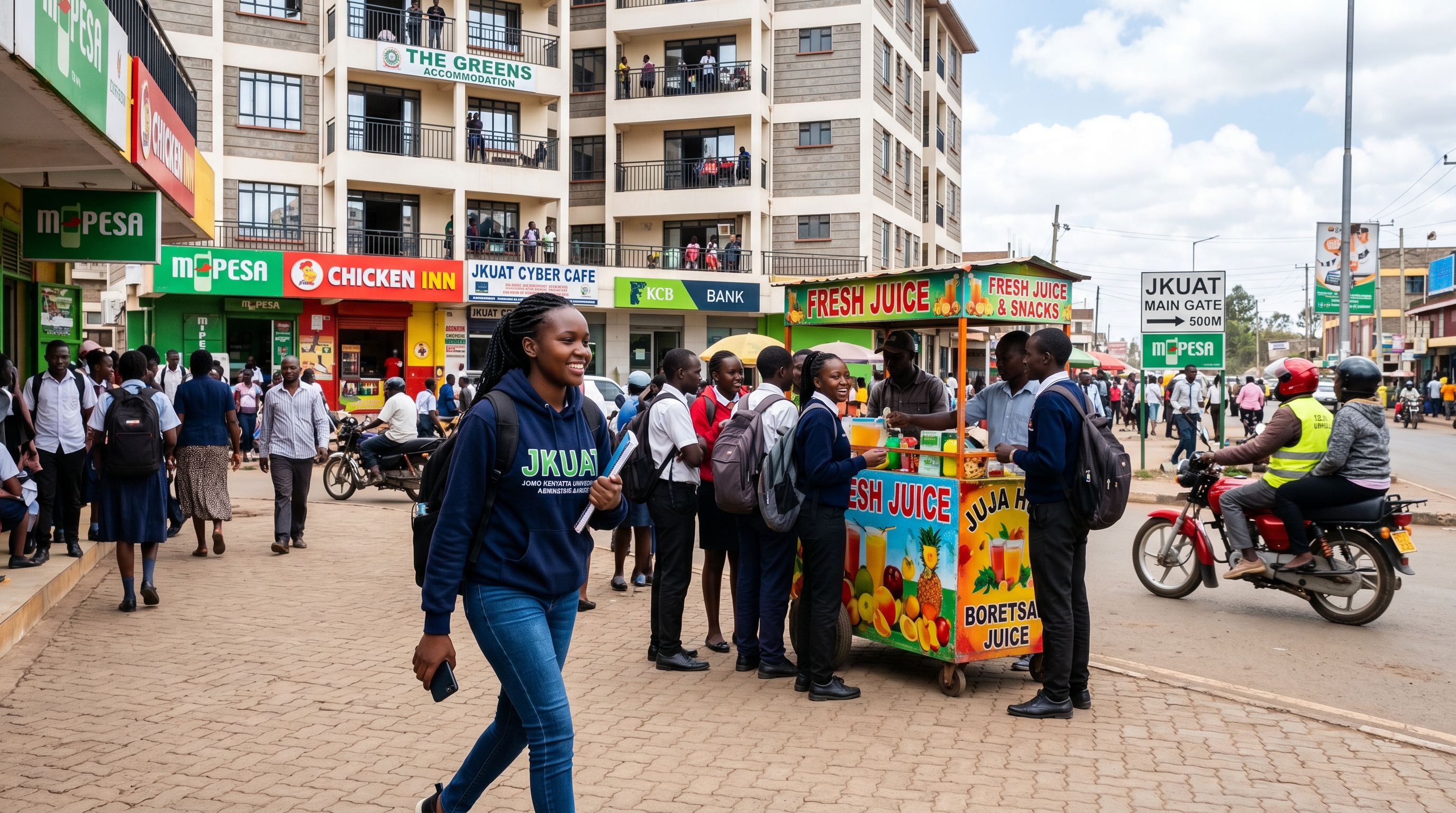
Living in Juja, Kiambu: The University Town That Became a Satellite City — Prices, Estates & Honest Guide (2026)
Juja houses from KSh 1.2M, rent from KSh 2.5K. JKUAT area, Kenyatta Road estates, Kalimoni, Witeithie. Student yields 9-15%.
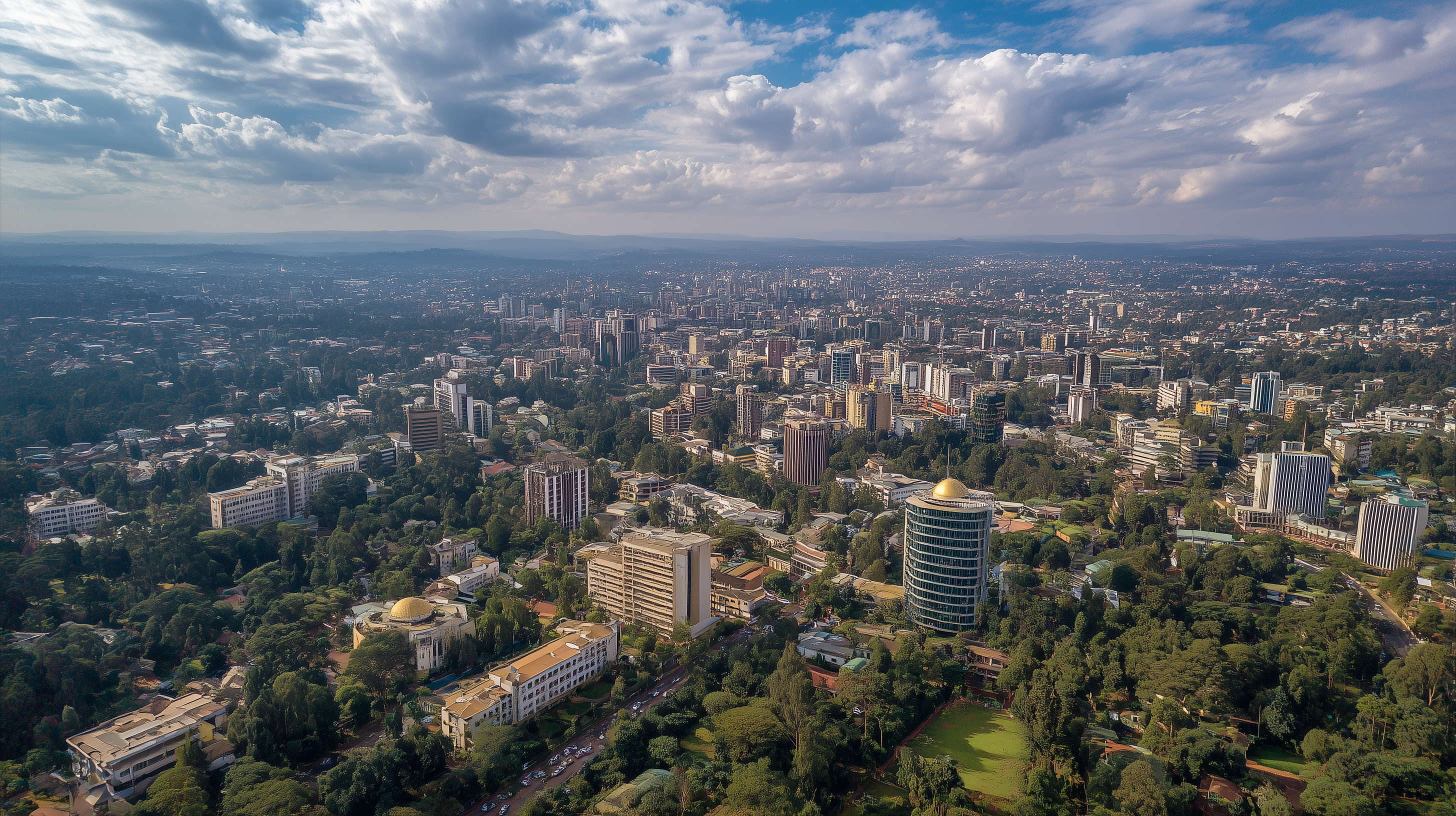
Westlands Property Guide: Prices, Lifestyle & Investment (2026)
Complete guide to Westlands real estate. Apartments from KES 8M, rental yields 6-8%, plus lifestyle amenities. Browse verified Westlands listings today.
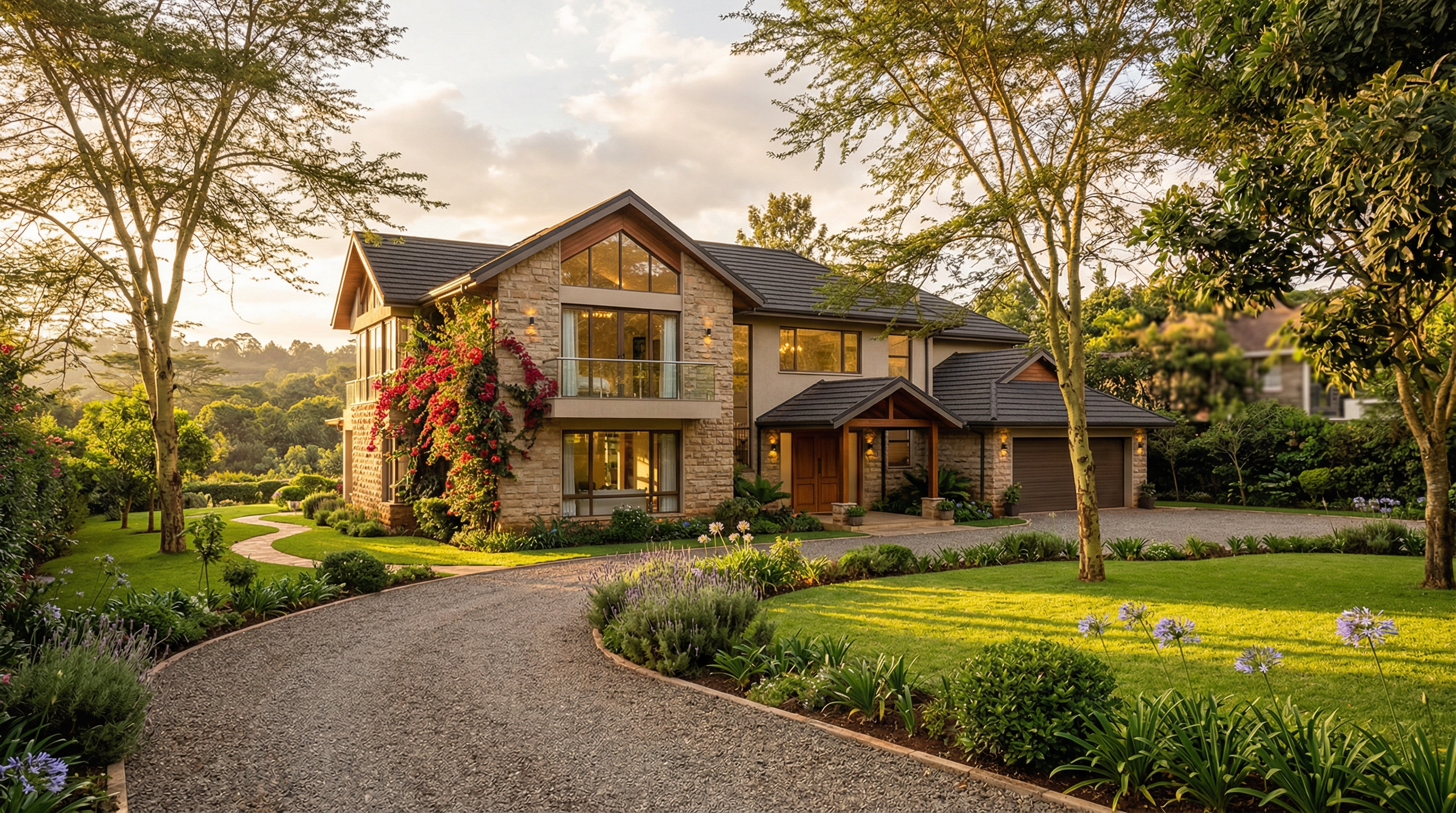
Houses for Sale in Karen: Price Guide 2026
Karen house prices from KES 35M–250M+. 4-bedroom, 5-bedroom, villas. Karen Hardy, Ndege Road, budget breakdown. Updated March 2026.