
Apartment Prices in Nairobi 2026: What Every Buyer Needs to Know
Nairobi apartment prices from KES 2.5M to 40M+. Prices by neighbourhood, bedroom count, off-plan vs ready, rental yields, and buying steps. April 2026 data.
What Does an Apartment in Nairobi Actually Cost in 2026?
The short answer: between KES 2.5 million and KES 40 million, depending on where you buy, how many bedrooms you need, and whether the unit is off-plan or ready to move into. The average sale price across Nairobi sits around KES 11.2 million for a completed apartment, according to BuyRentKenya listing data from early 2026.
But averages hide more than they reveal. A studio in Embakasi and a 3-bedroom in Westlands are both "Nairobi apartments" — yet they occupy entirely different markets. This guide breaks down apartment prices in Nairobi by neighbourhood, bedroom count, and property condition so you can set a realistic budget and avoid overpaying.
If you are buying from outside Kenya, start with our diaspora property investment guide for the legal and financial framework before comparing prices.
Nairobi Apartment Prices by Neighbourhood (2026)
Nairobi's apartment market splits roughly into four pricing tiers. Within each tier, prices vary based on building age, developer quality, floor level, and amenities. The table below uses asking prices from BuyRentKenya, Kenya Property Centre, and Sarabi Realty as of Q1 2026.
Neighbourhood | Studio / 1-BR | 2-BR | 3-BR | Rental Yield (Gross) | Tier |
|---|---|---|---|---|---|
Westlands | KES 6.5M – 9M | KES 13M – 18M | KES 19M – 30M+ | 6 – 9% | Premium |
Kilimani | KES 4.5M – 8M | KES 8.5M – 14M | KES 12M – 25M | 5 – 7% | Upper-mid |
Kileleshwa | KES 5.5M – 7.5M | KES 8M – 13M | KES 12M – 22M | 5 – 7% | Upper-mid |
Lavington | KES 5M – 7M | KES 9M – 14M | KES 14M – 25M | 5 – 6% | Upper-mid |
Parklands | KES 4M – 6.5M | KES 7M – 11M | KES 10M – 18M | 5 – 7% | Upper-mid |
South B / South C | KES 3.5M – 5.5M | KES 6.5M – 9M | KES 8M – 14M | 5 – 6% | Mid-market |
Ruaka | KES 2.5M – 4.5M | KES 4.5M – 7M | KES 6.5M – 10M | 5 – 7% | Mid-market |
Embakasi / Pipeline | KES 2.5M – 4M | KES 4M – 6M | KES 5.5M – 8M | 6 – 8% | Affordable |
Syokimau / Mlolongo | KES 2.5M – 4M | KES 3.8M – 6M | KES 5M – 8M | 6 – 8% | Affordable |
Kahawa West / Kasarani | KES 2.5M – 4M | KES 4M – 6.5M | KES 5.5M – 9M | 7 – 9% | Affordable |
Sources: BuyRentKenya, Kenya Property Centre, Sarabi Realty, Cytonn NMA Residential Report 2025. Prices are asking prices and may differ from final transaction prices by 5–15%.
For street-level detail on specific areas, see our neighbourhood guides: Kilimani, Kileleshwa, Westlands, Karen, and Lavington.
What Drives Apartment Prices in Nairobi?
Nairobi apartment prices do not move randomly. Understanding the main drivers helps you assess whether a listing is fairly priced or inflated.
Location and Accessibility
Proximity to the CBD, major employment hubs (Westlands, Upper Hill, Gigiri), and transport corridors remains the single biggest price factor. Apartments along the Nairobi Expressway corridor — including Syokimau, Mlolongo, and Athi River — have seen notable price growth since the expressway opened, as commute times dropped significantly. Neighbourhoods within 5 km of the CBD (Kilimani, Westlands, Kileleshwa) consistently command the highest prices per square metre.
Building Quality and Amenities
Two apartments on the same street can differ by KES 3–5 million depending on the developer. Premium developments typically include backup generators covering individual units, borehole water supply, swimming pools, gyms, smart home features, and high-speed lifts. Budget developments may only offer shared security and basic common area lighting. The quality gap has widened in 2025–2026, with newer projects in Kilimani and Westlands competing on amenity packages to attract tenants and buyers.
Off-Plan vs Ready Units
Off-plan apartments — purchased before or during construction — are typically 10–30% cheaper than ready units in the same location. In Nairobi's prime areas (Westlands, Kilimani, Kileleshwa, Lavington), completed apartments regularly sell at a 15–25% premium over their off-plan launch price. The trade-off is construction risk: delays, developer insolvency, or specification changes. Only buy off-plan from developers with a verified track record and clear title documentation.
Floor Level and Views
In high-rise developments (10+ floors), upper-floor apartments command 5–15% premiums over ground-floor units, driven by views, security perception, and reduced street noise. Penthouse units in premium Westlands towers can exceed KES 40 million.
Macroeconomic Conditions
The Central Bank of Kenya held the CBR at 8.75% in its April 2026 meeting, after ten consecutive rate cuts from 12.75% in mid-2024. Inflation stands at 4.4% (March 2026). Average commercial bank lending rates have fallen to around 14.78%, and mortgage rates range from approximately 9% to 18% depending on the lender and borrower profile. These improving credit conditions are expected to gradually increase buyer activity, although only about 11% of Kenyans currently earn enough to qualify for a standard mortgage.
For a detailed look at what you will pay beyond the purchase price, use our stamp duty calculator and read our full closing costs breakdown.
Off-Plan Apartment Prices in Nairobi (2026)
Off-plan purchases account for a significant share of apartment transactions in Nairobi, particularly in Kilimani, Westlands, Kileleshwa, and along Thika Road. Developers typically offer structured payment plans — 20–30% deposit followed by staged instalments — making off-plan attractive for buyers who cannot pay the full amount upfront.
Area | 1-BR Off-Plan | 2-BR Off-Plan | 3-BR Off-Plan | Typical Completion |
|---|---|---|---|---|
Kilimani | KES 6M – 8M | KES 8.5M – 12M | KES 12M – 18M | 12 – 24 months |
Westlands | KES 8M – 10M | KES 13M – 16M | KES 18M – 28M | 18 – 30 months |
Kileleshwa | KES 5.5M – 7.5M | KES 8M – 12M | KES 12M – 18M | 12 – 24 months |
Ruaka / Thika Rd | KES 2.5M – 4.5M | KES 4M – 6.5M | KES 6M – 9M | 12 – 18 months |
Syokimau / Athi River | KES 2.5M – 3.8M | KES 3.5M – 5.5M | KES 5M – 7.5M | 12 – 18 months |
Warning: Off-plan carries real risk. Always verify the developer's track record, confirm the land title is clean through an independent search on Ardhisasa, and ensure your sale agreement includes penalty clauses for late delivery. Read our property due diligence checklist before committing any deposit.
Most Affordable Areas to Buy an Apartment in Nairobi
If your budget is under KES 6 million, you still have viable options — but you are looking at satellite towns and outer estates rather than the central suburbs.
Ruaka
Studios from KES 2.5 million, 1-bedrooms from KES 3.5 million. Ruaka has emerged as one of Nairobi's most active mid-market apartment corridors, driven by proximity to Westlands (15–20 minutes off-peak) and a large supply of new developments. Rental yields are competitive at 5–7%, though some pockets show signs of oversupply.
Syokimau and Mlolongo
Entry prices from KES 2.5 million for studios. The SGR commuter rail link to CBD has transformed Syokimau into a practical commuter option. Apartment prices along the expressway corridor have outperformed broader Nairobi averages since the Nairobi Expressway opened.
Embakasi and Pipeline
Studios and 1-bedrooms from KES 2.5–4 million. High-density residential area with strong rental demand from working-class tenants. Yields tend to be higher (6–8%) but tenant turnover is also higher.
Kahawa West and Kasarani
Apartments from KES 2.5 million. Kahawa West recorded the highest total returns (12%) among all apartment nodes in Cytonn's NMA Residential Report 2025, driven by infrastructure investment, proximity to Thika Road, and demand from middle-class families near Kenyatta University and Garden City Mall.
Apartment Rental Prices in Nairobi (2026)
Whether you are buying to let or renting before you buy, rental price data helps you evaluate yields and affordability. Nairobi's rental market in 2026 shows clear segmentation:
Area | Studio / Bedsitter | 1-BR | 2-BR | 3-BR |
|---|---|---|---|---|
Westlands | KES 25K – 45K | KES 45K – 80K | KES 80K – 150K | KES 120K – 250K |
Kilimani | KES 20K – 35K | KES 35K – 65K | KES 65K – 120K | KES 90K – 200K |
Kileleshwa | KES 18K – 30K | KES 30K – 55K | KES 55K – 100K | KES 80K – 160K |
Lavington | KES 20K – 35K | KES 35K – 60K | KES 60K – 110K | KES 85K – 180K |
South B / South C | KES 12K – 20K | KES 20K – 35K | KES 35K – 60K | KES 50K – 90K |
Ruaka | KES 10K – 18K | KES 18K – 30K | KES 28K – 50K | KES 40K – 70K |
Embakasi / Pipeline | KES 5K – 12K | KES 12K – 22K | KES 20K – 35K | KES 30K – 55K |
Syokimau | KES 8K – 15K | KES 15K – 25K | KES 25K – 40K | KES 35K – 60K |
Note: Furnished apartments command 30–60% premiums over unfurnished in prime areas. Serviced apartments (Westlands, Kilimani) can yield up to 14% gross but require active management.
For a full rental breakdown in specific areas, read our guides on Westlands rentals and Kilimani living costs.
Nairobi Apartment Market Outlook: What the Data Says
The Nairobi apartment market in 2026 is best described as cautiously optimistic. Here is what the major data sources show:
Price Appreciation
HassConsult's data shows Kenya's residential property prices rose 7.8% year-on-year in the period to June 2025 — the highest capital appreciation among nine international markets they tracked. However, appreciation is uneven. Some nodes (Kahawa West, Syokimau) have outperformed, while others (parts of Kilimani, Kileleshwa) have experienced price corrections of up to 10% due to localised oversupply.
Rental Yields
Cytonn's NMA Residential Report 2025 recorded an average residential rental yield of 5.4% across Nairobi, with the upper-mid segment (Westlands, Kilimani, Kileleshwa, Parklands) delivering average total returns of 7.1%. The best-performing node was Kahawa West at 12% total returns. Overall, yields decreased marginally by 0.1 percentage points from the previous year.
Housing Deficit
Kenya's housing deficit remains massive — over 2 million units, according to Cytonn's 2026 Markets Outlook. Annual delivery of approximately 50,000 homes falls far short of the estimated 250,000-unit annual demand. This structural undersupply supports long-term price appreciation, particularly in areas with strong infrastructure and employment access.
Interest Rate Environment
The CBR at 8.75% (held steady in April 2026) represents a significant improvement from the 12.75% peak in 2024. Average commercial lending rates have dropped to 14.78%. While mortgage uptake remains low — only about 11% of Kenyans can qualify — the easing cycle is slowly broadening the buyer pool. Most Kenyan mortgages carry variable rates, so buyers should stress-test affordability against a potential 2% rate increase.
Risks to Watch
Risk | Impact | Severity |
|---|---|---|
Oversupply in mid-tier Kilimani / Kileleshwa | Price stagnation, higher vacancies | Medium |
Rising global oil prices (Middle East conflict) | Construction cost inflation, possible rate hikes | Medium-High |
Developer quality variance | Poor finishes, late delivery, fraud | High |
KES depreciation risk | Affects diaspora purchasing power | Medium |
Variable-rate mortgage exposure | Monthly payments could rise if CBR increases | Medium |
Title deed fraud | Complete loss of investment | High |
Always verify any property through a title search on Ardhisasa and check our guide on property scams in Kenya before committing funds.
For Diaspora Investors: Nairobi Apartments in USD
If you are buying from the US, UK, UAE, or Canada, here is how Nairobi apartment prices translate at the April 2026 exchange rate of approximately KES 129 per USD:
Apartment Type | KES Range | USD Equivalent |
|---|---|---|
Studio (affordable area) | KES 2.5M – 4M | $19,000 – $31,000 |
1-BR (mid-market) | KES 4.5M – 7M | $35,000 – $54,000 |
2-BR (upper-mid: Kilimani) | KES 8.5M – 14M | $66,000 – $109,000 |
2-BR (premium: Westlands) | KES 13M – 18M | $101,000 – $140,000 |
3-BR (upper-mid) | KES 12M – 22M | $93,000 – $170,000 |
3-BR (premium) | KES 19M – 30M+ | $147,000 – $233,000+ |
At roughly $1,200 per square metre in desirable areas, Nairobi remains one of the most affordable major African capitals for apartment buyers. For comparison, similar quality in Lagos, Accra, or Dar es Salaam typically costs 20–40% more.
Diaspora buyers should pay particular attention to:
Transfer costs: Use our stamp duty calculator to estimate the full cost including stamp duty (4% urban), legal fees (1–2%), and valuation fees.
Money transfer: Read our guide on sending money to Kenya for property to minimise transfer fees and ensure compliance.
Agent verification: Work only with EARB-registered agents. On Afriqahome, agents with the verified badge have been identity-checked. Find a verified agent.
Property management: Budget 8–12% of rental income for professional management if you will not be in Nairobi.
Country-specific buying guides: USA · UK · UAE · Canada
How to Buy an Apartment in Nairobi: Quick Steps
Whether you are a first-time buyer or a returning investor, the purchase process follows a consistent pattern:
Set your budget. Include stamp duty (2–4%), legal fees (1–2%), valuation, and agent commission in addition to the purchase price.
Choose your area. Use the price tables above to match your budget to realistic locations. Do not stretch into a premium area at the expense of proper due diligence.
Find a verified agent. Check EARB registration. On Afriqahome, every listed agent has been verified. Browse verified agents.
View properties. Visit in person or arrange a trusted contact to view. Check water supply, generator coverage, parking, and building management quality.
Conduct due diligence. Independent title search on Ardhisasa, land rates clearance, verify building approvals, check for encumbrances. See our complete checklist.
Negotiate and agree terms. Off-plan: confirm payment schedule, penalties, completion date. Ready: agree price, deposit, and completion timeline.
Engage a lawyer. Have your lawyer review the sale agreement before signing. Never pay the full amount before title transfer.
Complete transfer. Stamp duty payment, registration at the Lands Registry, and collection of your new title deed.
For a full walkthrough, read our first-time buyer guide or land buying process guide.
Frequently Asked Questions
How much does a 2-bedroom apartment cost in Nairobi in 2026?
A 2-bedroom apartment in Nairobi costs between KES 4 million and KES 18 million depending on location. In affordable areas like Ruaka, Syokimau, and Embakasi, expect KES 4–7 million. In upper-mid suburbs like Kilimani and Kileleshwa, the range is KES 8.5–14 million. Premium Westlands developments start from KES 13 million.
What is the best area to buy an apartment in Nairobi for investment?
It depends on your investment strategy. For highest total returns, Kahawa West led with 12% in FY2024/25 (Cytonn data). For premium rental demand and lower vacancy risk, Westlands and Kilimani remain the safest bets. For capital appreciation on a budget, satellite towns along the Expressway corridor (Syokimau, Mlolongo) offer strong value. Always balance yield against tenant quality and vacancy risk.
Are apartment prices in Nairobi going up or down in 2026?
The broad trend is upward. HassConsult data shows a 7.8% year-on-year price increase nationally to mid-2025, and lower interest rates in 2026 are expected to support continued demand. However, specific pockets — particularly mid-tier apartments in Kilimani and Kileleshwa — have experienced price corrections of up to 10% due to localised oversupply. The market is not uniform; location and developer quality matter more than ever.
What rental yield can I expect from a Nairobi apartment?
Average gross rental yields for Nairobi apartments sit around 5.4% (Cytonn 2025 data). Upper-mid areas like Westlands deliver 6–9% for unfurnished units and up to 14% for furnished or serviced apartments. Affordable areas like Kahawa West and Embakasi can yield 7–9%. Furnished and serviced units yield more but require active management and higher capital outlay.
Is it a good time to buy an apartment in Nairobi?
The conditions are arguably the most favourable in several years. The CBR has dropped from 12.75% to 8.75%, reducing borrowing costs significantly. Mortgage rates are trending downward. Some previously overheated areas have corrected to more realistic prices. Kenya's structural housing deficit (over 2 million units) provides long-term price support. The main risks are potential oil-driven inflation, continued oversupply in certain corridors, and variable-rate mortgage exposure. If you have a 3–5 year horizon and can secure a unit in a well-located, well-managed development, the market fundamentals are solid.
How do I avoid scams when buying an apartment in Nairobi?
Three non-negotiable steps: (1) Conduct an independent title search on Ardhisasa — do not rely on documents provided by the seller alone. (2) Verify the agent's EARB registration. On Afriqahome, agents with the verified badge have been checked. (3) Engage a lawyer to review the sale agreement before paying any deposit. Also read our guide on common property scams in Kenya and how to spot fake title deeds.
Explore Further
Ready to start looking? Here are your next steps:
Browse apartments for sale in Nairobi — all listings from verified agents
Find a verified agent — every agent on Afriqahome is EARB-checked
Kenya Real Estate Market Report 2026 — full market overview including land, houses, and commercial
Best Areas to Live in Nairobi — neighbourhood comparison with lifestyle data
Stamp Duty and Closing Costs Kenya 2026 — know the full cost before you buy
How to Verify a Real Estate Agent in Kenya — protect yourself from unlicensed operators
Other Guides

Living in Juja, Kiambu: The University Town That Became a Satellite City — Prices, Estates & Honest Guide (2026)
Juja houses from KSh 1.2M, rent from KSh 2.5K. JKUAT area, Kenyatta Road estates, Kalimoni, Witeithie. Student yields 9-15%.
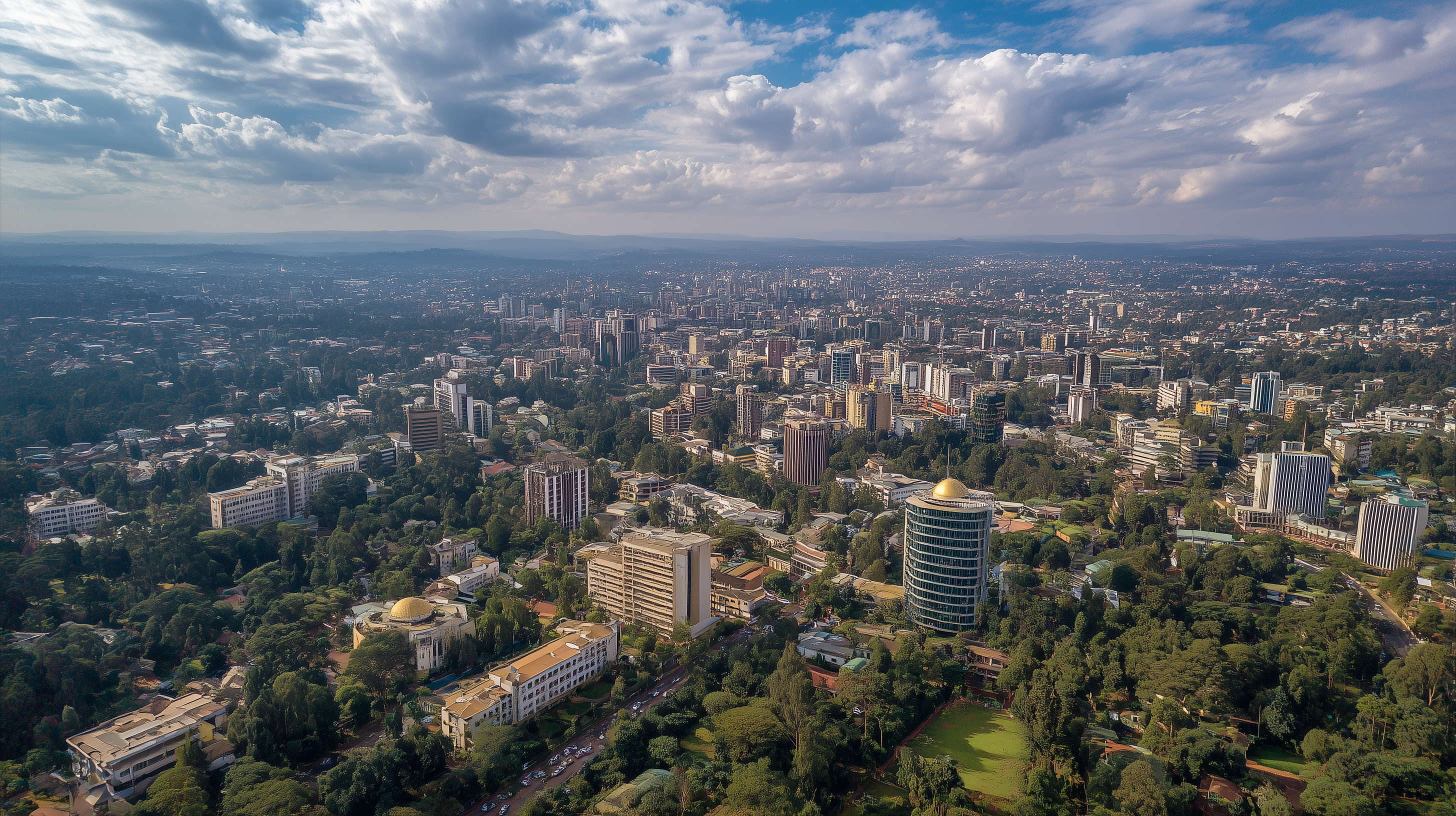
Westlands Property Guide: Prices, Lifestyle & Investment (2026)
Complete guide to Westlands real estate. Apartments from KES 8M, rental yields 6-8%, plus lifestyle amenities. Browse verified Westlands listings today.
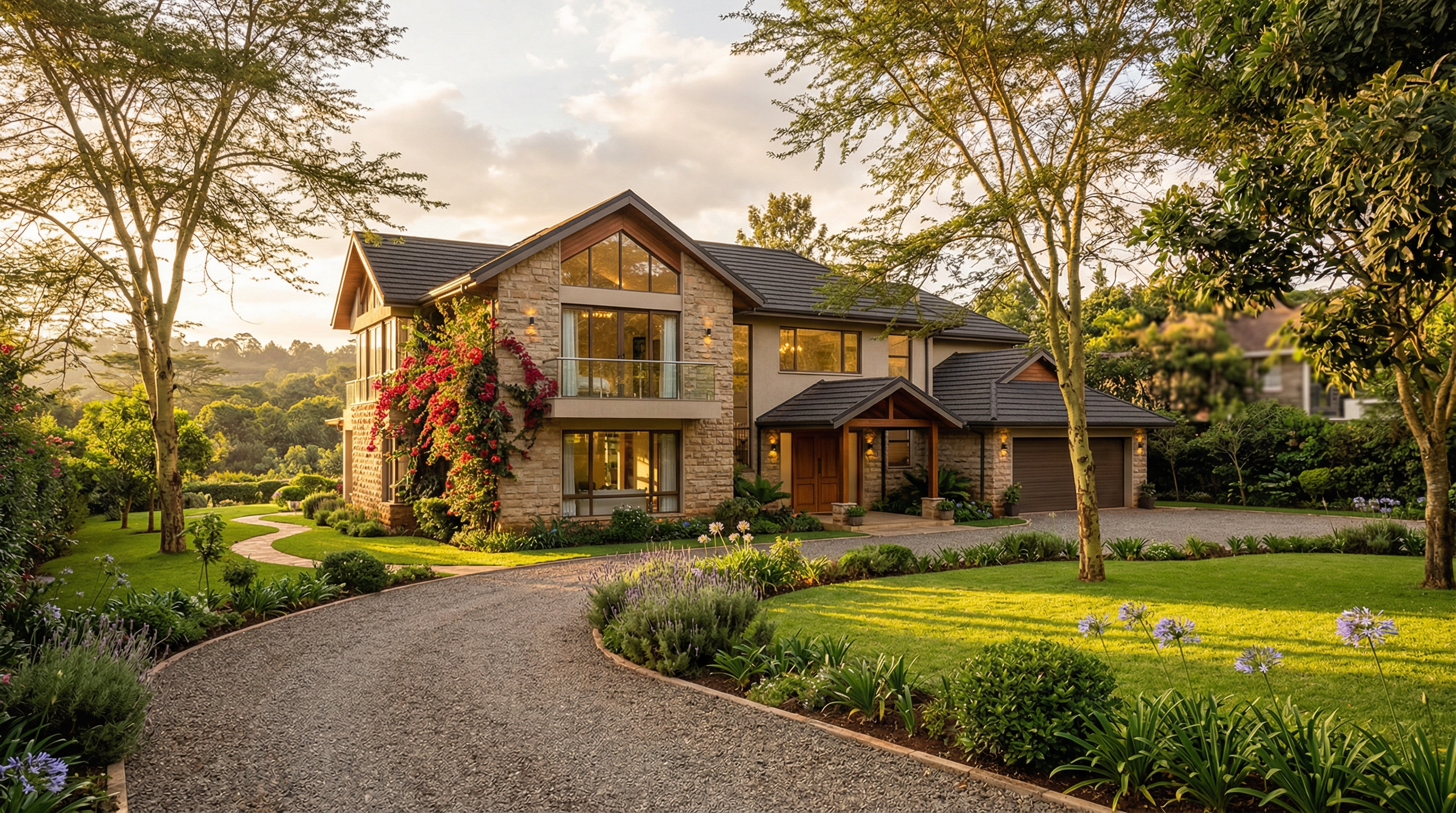
Houses for Sale in Karen: Price Guide 2026
Karen house prices from KES 35M–250M+. 4-bedroom, 5-bedroom, villas. Karen Hardy, Ndege Road, budget breakdown. Updated March 2026.