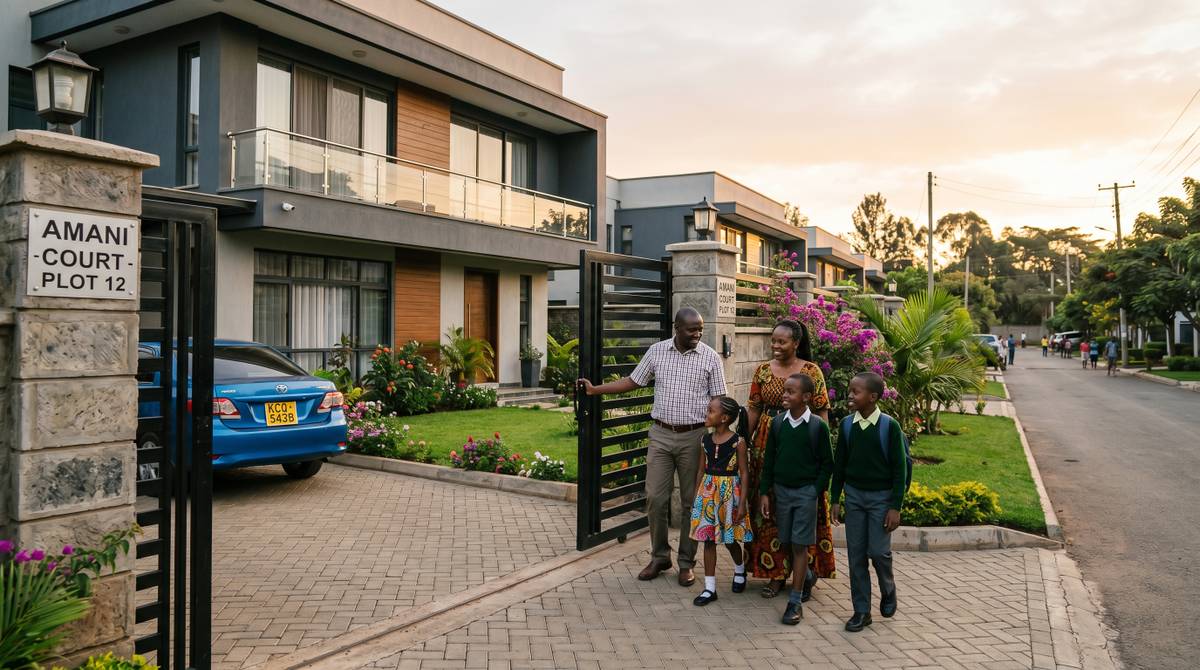
Living in Ruiru: Nairobi's Fastest-Growing Satellite Town — Prices, Estates & Honest Guide (2026)
Ruiru houses from KSh 3.65M, rent from KSh 12K. Tatu City, Membley, Kamakis estates. Commute times, investment yields, honest pros and cons.
Living in Ruiru: Nairobi's Fastest-Growing Satellite Town — Prices, Estates & Honest Guide (2026)
Ruiru is a municipality in Kiambu County, approximately 20 kilometres northeast of Nairobi's CBD along the Thika Superhighway. Once a small agricultural town surrounded by coffee and sisal estates, Ruiru has transformed into one of Kenya's fastest-growing urban centres — the 4th largest by population according to the 2019 census, with over 300,000 residents and expanding rapidly. Houses for sale start from KSh 3.65M for basic 3-bed bungalows and reach KSh 80M+ for premium villas in Tatu City's Kijani Ridge. The average house price across all segments sits at approximately KSh 9.2M, with the average for modern estates closer to KSh 15–20M. Apartment rentals start from KSh 12,000 per month for a 1-bed, while a 4-bed maisonette in Membley rents for KSh 100,000–150,000.
What makes Ruiru compelling is the intersection of affordability, infrastructure, and scale. The Thika Superhighway — completed in 2012 — cut commute times to the CBD dramatically, and Tatu City, a 5,000-acre mixed-use development, is positioning Ruiru as a self-contained urban centre rather than a mere dormitory suburb. For buyers priced out of Nairobi's established neighbourhoods like Kilimani or Parklands, Ruiru offers significantly more house for the money — with the trade-off being a longer commute and less mature urban infrastructure.
Quick Facts: Ruiru at a Glance
Detail | Ruiru |
|---|---|
Location | 20 km northeast of Nairobi CBD, along Thika Superhighway |
County | Kiambu County (Ruiru sub-county) |
Area | 292 km² |
Population | 300,000+ (2019 census, growing rapidly) |
Elevation | ~1,565 metres above sea level |
Character | Satellite town; mixed affordable-to-premium residential |
House prices (sale) | KSh 3.65M–80M+ (avg KSh 9.2M) |
Apartment rent | KSh 12,000–55,000/month |
House rent | KSh 25,000–150,000/month |
Key developments | Tatu City, Membley Estate, Kamakis, Kijani Ridge |
Commute to CBD | 30–60 min (Thika Superhighway, traffic-dependent) |
Ruiru Property Prices in 2026
Houses for Sale
Type | Price Range (KSh) | Notes |
|---|---|---|
3-bed bungalow (basic) | 3.65M–7M | Flat-roof designs, 40×80 plots, Mugutha/Matangi areas |
3-bed bungalow + DSQ | 6.5M–10M | Gated estate, own compound, freehold title |
4-bed maisonette | 10M–18.5M | Membley, Kamakis; most popular segment. Modern finishes |
4-bed maisonette (premium) | 15M–25M | Corner units, extra-large plots, gated with amenities |
5-bed villa | 18M–35M | Gated communities, pool access, Membley/Kamakis |
Tatu City (3-bed) | 43M | Unity Homes / Kijani Ridge; clubhouse, gym, landscaped |
Tatu City (4-bed, Kijani Ridge) | 60M–80M+ | Premium villa estate overlooking dam; fully integrated |
Rental Prices
Property Type | Rent (KSh/month) | Notes |
|---|---|---|
1-bed apartment | 12,000–20,000 | Kimbo, Toll area; basic finish |
2-bed apartment | 20,000–30,000 | Standard; master ensuite from ~KSh 55,000 |
3-bed apartment | 35,000–45,000 | Modern builds; Kamakis area from KSh 40,000+ |
3-bed bungalow | 35,000–50,000 | Own compound, gated estates |
4-bed maisonette (Membley) | 100,000–150,000 | Premium gated community; all ensuite + DSQ |
4-bed maisonette (Kamakis) | 85,000–110,000 | Eastern Bypass proximity; modern finish |
Tatu City (Unity Homes) | 65,000–100,000 | 2-3 bed apartments with clubhouse access |
Land Prices
Plot Size | Price Range (KSh) | Location |
|---|---|---|
40×80 (residential) | 1.5M–4M | Outer Ruiru, Mwalimu Farm, Gatongora |
50×100 (residential) | 3M–8M | Near Thika Road; higher near Eastern Bypass |
50×100 (commercial, Kamakis) | 8M+ | Frontage on Thika Rd or Eastern Bypass |
¼ acre | 5M–15M | Varies significantly by proximity to tarmac road |
Context: A 4-bed maisonette in Membley at KSh 15M buys more space than a 2-bed apartment in Kilimani at the same price. This value proposition — more house, more land, own compound — is what drives the middle-class migration to Ruiru. The trade-off is distance from the CBD and commuting time.
Ruiru's Estates and Neighbourhoods
Membley Estate
Ruiru's premier upper-middle-class suburb, located 1.5 km from Thika Road near Kenyatta University. Membley represents the gated community model that has attracted Nairobi's middle class seeking security and exclusivity over apartment living. Round-the-clock security guards, high perimeter walls, tarmacked internal roads, manicured lawns. 4-bed maisonettes from KSh 10M–18.5M; rent from KSh 100,000–150,000. Schools include Danjose Academy, Focus Academy, Top Talents Academy, and Membley High School. Churches (Membley Baptist, St. Lucia Catholic, ACK St. Matthew's) anchor community life. This is the estate most comparable to Nairobi's established middle-class suburbs — at significantly lower prices.
Kamakis
The commercial and entertainment hub of greater Ruiru, located at the junction of Thika Superhighway and the Eastern Bypass. Bustling with restaurants, banks (Equity, Co-op, KCB, NCBA, Sidian, Diamond Trust), petrol stations, and small businesses. Newer residential developments target young professionals with 3-4 bed houses from KSh 12M–15M. Luxury maisonettes rent from KSh 85,000–110,000. Kamakis is where Ruiru feels most urban — nightlife, dining options, and commercial energy. The Eastern Bypass provides alternative routing to Mombasa Road and JKIA, bypassing CBD traffic.
Tatu City
A 5,000-acre mixed-use development that aims to be a self-contained city within Ruiru. Tatu City includes residential estates (Kijani Ridge, Unity Homes, Lifestyle Heights), an industrial park (Sea Gas, Davis & Shirtliff, Copia, Forward Freighters), schools (Crawford International), and commercial infrastructure. Kijani Ridge — 350+ acres overlooking a scenic dam — offers premium 4-bed villas from KSh 60M–80M. Unity Homes provides more accessible 2-3 bed apartments from KSh 5.9M, renting at KSh 65,000–100,000. Tatu City is the most ambitious development in Ruiru and the primary driver of its premium segment. Infrastructure within the estate is self-managed and superior to surrounding areas.
The scale of Tatu City's ambition is worth understanding. At 5,000 acres, it is larger than many Nairobi suburbs. The development includes its own road network, water treatment plant, power distribution, and waste management. Companies setting up in the Tatu Industrial Park bring employment directly to Ruiru, reducing the commuter dependency on Nairobi. For the broader Ruiru property market, Tatu City acts as an anchor — its infrastructure spending raises values in adjacent areas and attracts services that benefit the wider municipality.
A Brief History
Ruiru's transformation is one of the most dramatic in Kenya's recent urban history. Before independence, the area was administered under Nairobi City Council as the "Western Rural District" — a landscape of sisal plantations and coffee estates with four main manager houses on the south side of the Ruiru River. After independence, the land was given over to an African consortium for smallholding development. The town was elevated from council status to municipality in 1997. The completion of the Thika Superhighway in 2012 was the catalyst for everything that followed — suddenly, Ruiru was 30 minutes from the CBD instead of 90, and the land rush began. Coffee estates were converted to residential developments, gated communities replaced farms, and the population surged from under 100,000 to over 300,000 in barely a decade.
Ruiru Town Centre
The original commercial core around Ruiru railway station. Dense, busy, and affordable. Bedsitters from KSh 5,000/month; 1-bed apartments from KSh 12,000. Spur Mall and Ruiru Plaza provide shopping. This area suits budget-conscious renters who prioritise proximity to transport and services over space and quiet. Not recommended for owner-occupiers seeking long-term value.
Kimbo / Toll Area
Located near the Thika Road toll station. Affordable housing — 2-bed apartments from KSh 12,000–15,000/month. Toll Estate offers a variety of housing options for rent and sale. Proximity to the proposed Greater Eastern Bypass connection will improve access to Mombasa Road and the CBD. Currently an affordable entry point with strong infrastructure upside.
Mugutha / Matangi
Emerging residential areas slightly off the main Thika Road corridor. More affordable land and houses — 3-bed bungalows from KSh 6.5M on individual plots. The character is more rural, with newer gated developments gradually replacing agricultural land. Roads are improving but some internal access roads remain murram. Best for buyers who prioritise plot size and price over immediate infrastructure quality.
Mwihoko / Githurai 45
Denser, more established residential areas on Ruiru's Nairobi-facing border. More affordable but with higher population density and traffic congestion. These areas are functionally part of Nairobi's urban fabric despite being administratively in Kiambu County. Budget rentals from KSh 8,000–15,000 for 1-bed. Not covered in detail in this guide as they serve a different market segment.
What It Is Like to Live in Ruiru
Living in Ruiru means trading central Nairobi's convenience for space, affordability, and an own-compound lifestyle. Where KSh 15M buys a 2-bed apartment in Kilimani, the same budget gets a 4-bed maisonette with DSQ, garden, and parking in Membley — a fundamentally different quality of life for families with children.
The commute defines the Ruiru experience. Peak-hour travel to the CBD via Thika Superhighway takes 45–60 minutes (sometimes longer during heavy traffic or rain). Off-peak, the same journey is 30–40 minutes. The Nairobi Commuter Rail service — with a station in Ruiru — provides an alternative, though service frequency and reliability remain inconsistent. Most residents drive or use matatus (fare KSh 100–150 to CBD). Ride-hailing (Uber/Bolt) is available but more expensive for daily commuting at this distance.
Infrastructure within Ruiru is uneven. Tatu City and Membley have excellent internal roads, water systems, and security. Outer areas like Mugutha and Gatongora have improving but still patchy road quality. Water supply from Ruiru Dam is under pressure from rapid population growth — most modern developments supplement with boreholes and tanks. Electricity supply is generally reliable along the Thika Road corridor, with newer estates providing generator backup.
The social scene is centred on Kamakis — the de facto social and commercial hub. Rainbow Ruiru Resort, Club LaViva (Spur Mall), The Stable Lounge & Grill, and numerous restaurants along the Eastern Bypass provide dining and entertainment. Spur Mall and Mountain Mall handle grocery shopping (Naivas, Quickmart). Garden City Mall — technically in Thome/Kasarani but accessible within 15 minutes — adds a larger retail option. Ruiru lacks the cultural institutions, cinemas, and upscale dining of central Nairobi, but the gap is narrowing as population growth drives commercial investment.
Security varies by estate. Gated communities like Membley, Tatu City, and newer Kamakis developments have 24/7 security, CCTV, and controlled access — comparable to Nairobi's established suburbs. Open estates and Ruiru town centre require standard urban precautions. The Kiambu County security apparatus covers the area with police posts distributed across the municipality. Membley Estate specifically requires management approval and gate passes for moving trucks, reflecting the level of access control residents expect and receive.
Amenities in Ruiru
Education
Zetech University — main campus along Thika Superhighway; courses in IT, business, and finance. Kenyatta University (main campus bordering Ruiru; plus Ruiru campus). Kiriri Women's University of Science and Technology. St. Paul's University Ruiru Campus. Crawford International School (Tatu City) — international curriculum. SABIS International accessible via Thika Road. Danjose Academy, Membley High School, Ruiru High School for local curriculum. The university presence generates consistent student rental demand — a key driver for apartment investors.
Healthcare
Ruiru Sub-County Hospital — Level 4 government facility in Ruiru town. Plainsview Hospital — along Thika Superhighway; inpatient, maternity, outpatient. Nazareth Hospital — Catholic mission hospital on Alpha Knits Road. For specialist and emergency care, Aga Khan University Hospital (Parklands, 30 min), Kenyatta National Hospital (40 min), and Nairobi Hospital are accessible via Thika Superhighway. Healthcare is Ruiru's most significant infrastructure gap — there is no major private hospital within the municipality comparable to what Nairobi offers.
Shopping
Spur Mall — Ruiru's primary retail destination, with supermarket, restaurants, and services. Mountain Mall. Ruiru Plaza. Kamakis Business Centre — banks, restaurants, small retail. Naivas and Quickmart branches serve grocery needs. Garden City Mall (15 min drive toward Nairobi) adds cinema, larger retail, and dining. Within Tatu City, commercial retail is developing alongside the residential estates.
Recreation
Rainbow Ruiru Resort — conference facilities, swimming, dining. Kamakis restaurant strip along Eastern Bypass — diverse dining. BTL Christian Conference Center (Membley area). Karura Forest accessible via Kiambu Road (30 min). Club LaViva at Spur Mall for nightlife. Kenyatta University sports facilities accessible to the community.
Pros and Cons of Living in Ruiru
Pros
Affordability is transformative. A 4-bed maisonette with DSQ, garden, and own compound for KSh 12M–15M is a lifestyle upgrade that central Nairobi simply cannot match at that price point. For families, the value proposition is clear.
Tatu City is a game-changer. A 5,000-acre development with its own schools, industrial park, commercial zones, and premium residential estates means Ruiru is building self-sufficiency rather than remaining purely dependent on Nairobi. This infrastructure investment supports long-term property value appreciation.
Land prices have appreciation runway. Property values in Ruiru have more than doubled over the past decade, and the combination of infrastructure upgrades, population growth, and Tatu City's gravitational pull suggests continued growth. Entry prices remain accessible compared to Nairobi proper.
Thika Superhighway provides reliable connectivity. The dual carriageway with grade-separated interchanges is one of Kenya's best roads. Off-peak travel to the CBD is genuinely 30 minutes — competitive with many Nairobi neighbourhoods during congestion.
The gated community model works. Membley, Tatu City, and newer Kamakis estates deliver security, road maintenance, and community management at a standard that compensates for gaps in municipal services. Residents do not need to wait for county government to improve infrastructure.
Student and commuter rental demand is strong. Kenyatta University, Zetech University, and the working population commuting to Nairobi create a deep and consistent tenant pool, particularly for apartments in the KSh 15,000–40,000 range.
Cons
The commute is real. Peak-hour travel of 45–60+ minutes to the CBD is a daily grind that affects quality of life. If both partners work in central Nairobi, the cumulative commuting time is significant. Remote workers and those employed along the Thika Road corridor (Kasarani, Roysambu, Ruiru itself) fare much better.
Healthcare infrastructure lags. No major private hospital within Ruiru. For specialist care, maternity emergencies, or complex procedures, you are driving 30–40 minutes to Nairobi hospitals. This is a genuine risk factor for families with young children or elderly household members.
Water supply is under pressure. Ruiru Dam serves a population that has outgrown its capacity. Boreholes and tank storage are essential — budget KSh 2,000–5,000/month for supplementary water in developments that rely on council supply. Modern gated estates mitigate this with private infrastructure, but it adds to running costs.
Infrastructure quality is inconsistent. While Thika Road is excellent, internal roads in outer Ruiru vary from tarmac to murram. Drainage in some newer developments is inadequate during heavy rains. Always visit during the wet season before committing to a purchase in areas away from established estates.
The town lacks cultural and lifestyle amenities. No cinema (Garden City Mall is 15 min), limited dining variety compared to Nairobi, no significant cultural venues. Social life centres on Kamakis restaurants and estate-level entertaining. If you value urban culture, Ruiru will feel limited.
Developer quality varies dramatically. The building boom has attracted developers of all quality levels. Some gated communities have excellent construction; others cut corners on foundations, waterproofing, and finishing. Always verify the developer's track record, visit completed projects, and hire an independent building surveyor before purchasing, especially off-plan.
Ruiru Compared to Other Satellite Towns
Factor | Ruiru | Kitengela | Syokimau |
|---|---|---|---|
Distance to CBD | 20 km | 30 km | 18 km |
3-bed house (sale) | KSh 6.5M–10M | KSh 4M–8M | KSh 5M–9M |
4-bed maisonette (sale) | KSh 10M–18M | KSh 8M–14M | KSh 9M–15M |
2-bed apartment rent | KSh 20K–30K | KSh 15K–25K | KSh 20K–30K |
Major highway | Thika Superhighway | Namanga Road | Mombasa Road + SGR |
Anchor development | Tatu City (5,000 acres) | EPZ / Athi River | Gateway Mall / SGR station |
Water supply | Under pressure | Challenged | Moderate |
Best for | Families, Thika Rd workers, investors | Budget buyers, light industry | JKIA workers, SGR commuters |
Getting Around: Commute from Ruiru
Destination | Mode | Estimated Time |
|---|---|---|
Nairobi CBD | Car / matatu | 30–60 min |
Westlands | Car | 35–50 min |
Thika town | Car / matatu | 15–25 min |
JKIA (airport) | Car (via Eastern Bypass) | 40–60 min |
Kasarani | Car | 15–20 min |
Garden City Mall | Car | 10–15 min |
Public transport is robust along Thika Superhighway — matatus and buses to the CBD run frequently (fare KSh 100–150). The Nairobi Commuter Rail has a station in Ruiru, though service frequency is inconsistent. Taxi to the CBD costs approximately KSh 500. Ride-hailing (Uber/Bolt) is available but adds up for daily commuting. Within Ruiru, boda-bodas (motorcycle taxis) are the primary last-mile transport for internal estate access.
Investment Outlook for Ruiru
What is working
Ruiru is arguably the most compelling satellite town investment in the Nairobi Metropolitan Area. The combination of Tatu City (attracting premium buyers and corporate tenants), Kenyatta University (generating consistent student rental demand), Thika Superhighway (reliable connectivity), and the Eastern Bypass (alternative routing) creates multiple demand drivers rather than dependence on a single factor.
Property values have appreciated strongly — land prices in some areas have more than doubled in the past decade. The apartment segment (KSh 3.65M–7M) targeting students and young professionals delivers rental yields of 7–9% gross, among the highest in the metropolitan area. The maisonette segment (KSh 10M–18M) delivers lower yields (5–6.5%) but stronger capital appreciation as Membley and Kamakis mature into established middle-class suburbs.
What to watch
Oversupply risk in the apartment segment is real. The building boom has produced significant new apartment supply, particularly along the Thika Road corridor. If supply outpaces demand growth, rents will compress. Focus on locations with specific demand anchors (near universities, near Tatu City, near Eastern Bypass junction) rather than generic apartment blocks on secondary roads.
Water infrastructure is the binding constraint. Until Ruiru's water supply capacity catches up with population growth, all property values — especially in areas without private water infrastructure — are discounted relative to their potential. Developments with boreholes and dedicated storage are worth the premium.
The 2027 election cycle affects construction activity and transaction volumes. Budget for a slowdown in 2027.
For Diaspora Investors
Ruiru is well-suited for diaspora investors in the $30K–$100K range (approximately KSh 3.9M–13M). A 3-bed bungalow + DSQ at KSh 7M ($54K) generates KSh 35,000–45,000/month in rent — approximately 6–7.7% gross yield. A 4-bed maisonette at KSh 14M ($108K) in Kamakis generates KSh 85,000–100,000/month — approximately 7.3–8.6% gross yield. These yields, combined with capital appreciation, make a strong total-return case.
Key steps: engage a verified agent on Afriqahome, verify the title on Ardhisasa (critical — Ruiru has historically had land ownership disputes in some areas), hire a lawyer for due diligence, and use professional property management. Verify that the development has individual freehold titles (not just a mother title) before committing.
For country-specific buying guidance: USA · UK · UAE · Canada. Note that stamp duty in Kiambu County is 2% (vs 4% in Nairobi), which reduces total acquisition costs — a meaningful saving on a KSh 14M purchase (KSh 280K vs KSh 560K). Factor this into your comparative cost analysis when choosing between Ruiru and Nairobi locations.
Frequently Asked Questions
How much does a house cost in Ruiru?
Houses for sale in Ruiru range from KSh 3.65M (basic 3-bed bungalow) to KSh 80M+ (premium Tatu City villa). The most popular segment — 4-bed maisonettes in Membley or Kamakis — sells for KSh 10M–18M. Rentals range from KSh 12,000/month (1-bed apartment) to KSh 150,000 (4-bed Membley maisonette). Land plots start from KSh 1.5M (40×80, outer Ruiru) to KSh 8M+ (50×100, commercial Kamakis).
How long is the commute from Ruiru to Nairobi CBD?
Expect 30–60 minutes by car via Thika Superhighway, depending on traffic. Peak hours (7–9 AM, 5–7 PM) tend toward 45–60 minutes. Off-peak travel is 30–40 minutes. Matatu fare is KSh 100–150. The Nairobi Commuter Rail station in Ruiru provides an alternative, though service frequency is inconsistent. The Eastern Bypass offers routing to Mombasa Road/JKIA without passing through the CBD.
What is Tatu City and is it worth buying there?
Tatu City is a 5,000-acre mixed-use development within Ruiru featuring residential estates (Kijani Ridge, Unity Homes, Lifestyle Heights), an industrial park, schools (Crawford International), and commercial infrastructure. It offers superior internal infrastructure — roads, water, security — compared to surrounding Ruiru. Prices reflect this: 3-bed from KSh 43M, 4-bed villas KSh 60M–80M. Unity Homes apartments from KSh 5.9M are the most accessible entry point. Worth it if you value integrated infrastructure and are buying for long-term appreciation; expensive relative to other Ruiru options if yield is the priority.
Is Ruiru safe to live in?
Gated communities like Membley, Tatu City, and newer Kamakis estates have 24/7 security, CCTV, and controlled access — comparable to Nairobi's established suburbs. Ruiru town centre and open estates require standard urban precautions. The Kiambu County security apparatus covers the area with police posts distributed across the municipality. Overall, Ruiru is safe when you choose the right estate — the gated community model has become the standard for new developments.
Is Ruiru a good property investment in 2026?
Yes — Ruiru offers some of the strongest risk-return profiles in the Nairobi Metropolitan Area. Apartment yields of 7–9% gross, maisonette yields of 5–6.5% plus capital appreciation, and land that has doubled in value over the past decade. Key risks: oversupply in the apartment segment, water infrastructure strain, and developer quality variance. Focus on established estates with individual titles, private water infrastructure, and proximity to demand anchors (Tatu City, universities, Eastern Bypass).
What schools and hospitals are in Ruiru?
Universities: Zetech University, Kenyatta University (main + Ruiru campus), Kiriri Women's University, St. Paul's University. International schools: Crawford International (Tatu City). Local schools: Danjose Academy, Membley High School, Ruiru High School. Hospitals: Ruiru Sub-County Hospital (Level 4), Plainsview Hospital, Nazareth Hospital. For specialist care, Aga Khan University Hospital and Kenyatta National Hospital are 30–40 minutes away in Nairobi.
Explore Ruiru on Afriqahome
Browse houses for sale in Kiambu or apartments for sale in Nairobi from verified agents.
Compare Ruiru with other satellite towns and Nairobi areas: Living in Juja · Living in Kasarani · Living in Kilimani · Westlands Property Guide · Best Areas to Live in Nairobi.
For buying process guidance: How to Buy Land in Kenya · First-Time Buyer Guide · Stamp Duty & Closing Costs · Due Diligence Checklist · Verify an Agent.
For diaspora investors: Diaspora Investment Hub · Buy from USA · Buy from UK · Buy from UAE · Buy from Canada.
Other Guides
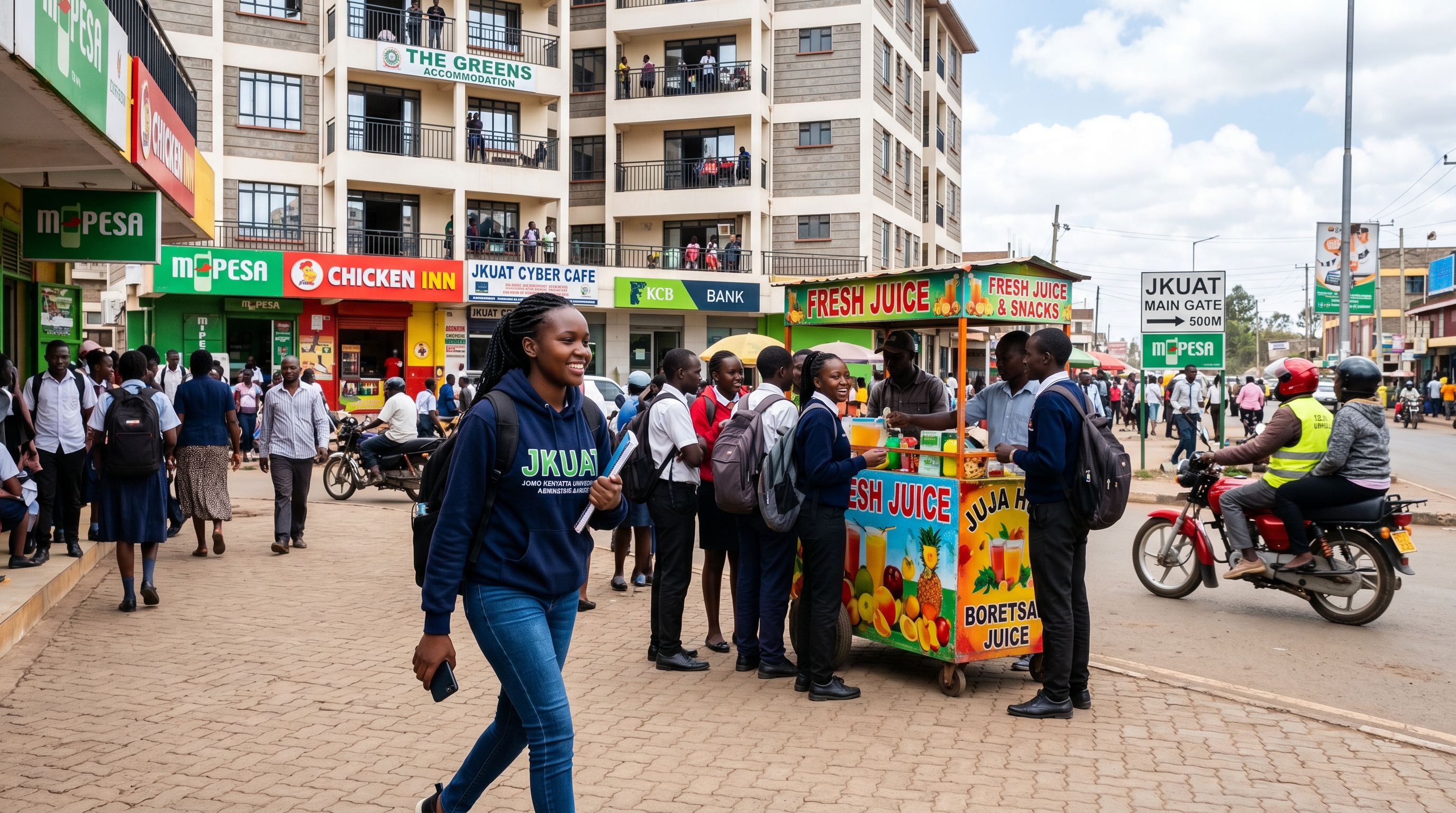
Living in Juja, Kiambu: The University Town That Became a Satellite City — Prices, Estates & Honest Guide (2026)
Juja houses from KSh 1.2M, rent from KSh 2.5K. JKUAT area, Kenyatta Road estates, Kalimoni, Witeithie. Student yields 9-15%.
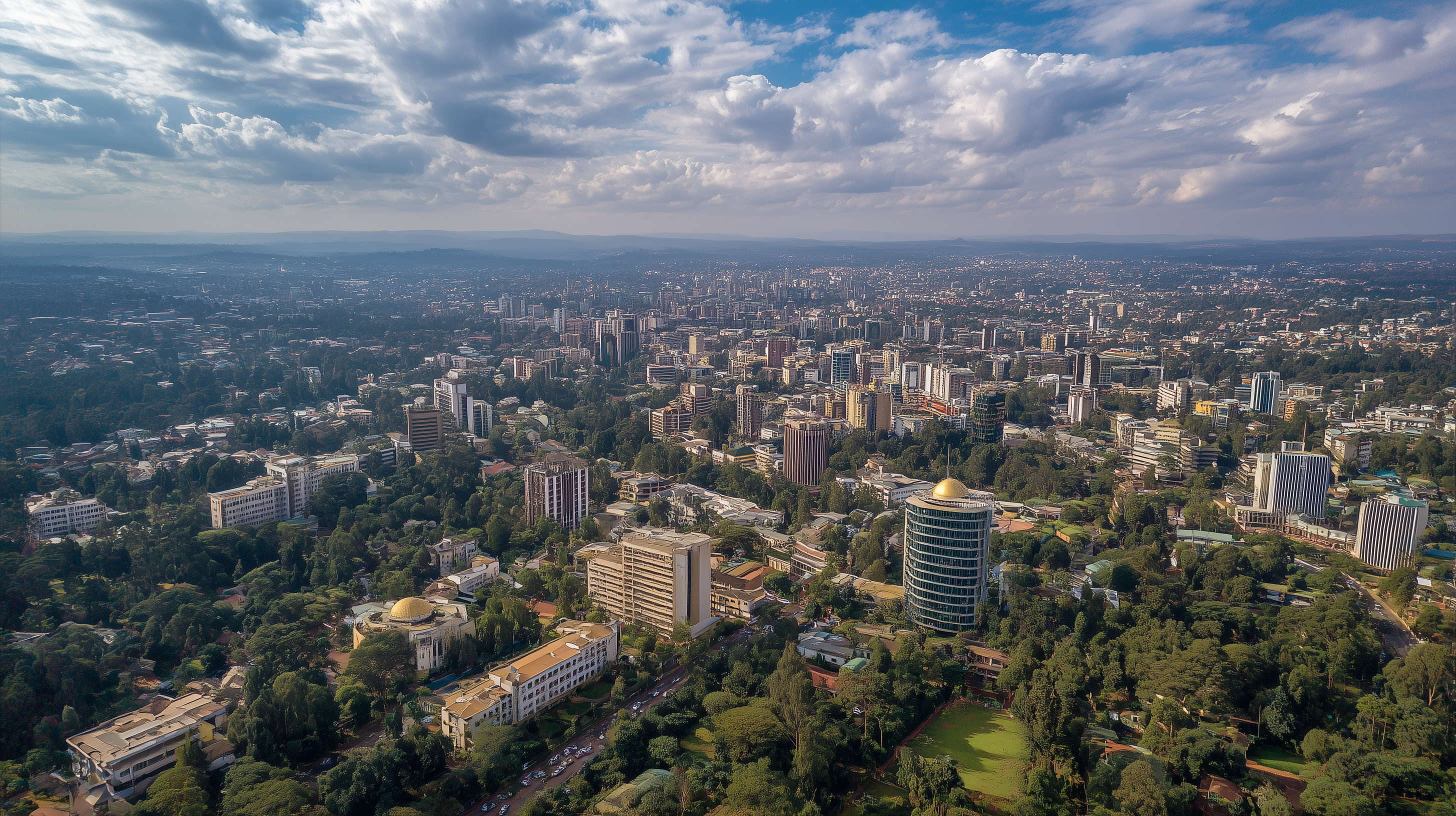
Westlands Property Guide: Prices, Lifestyle & Investment (2026)
Complete guide to Westlands real estate. Apartments from KES 8M, rental yields 6-8%, plus lifestyle amenities. Browse verified Westlands listings today.
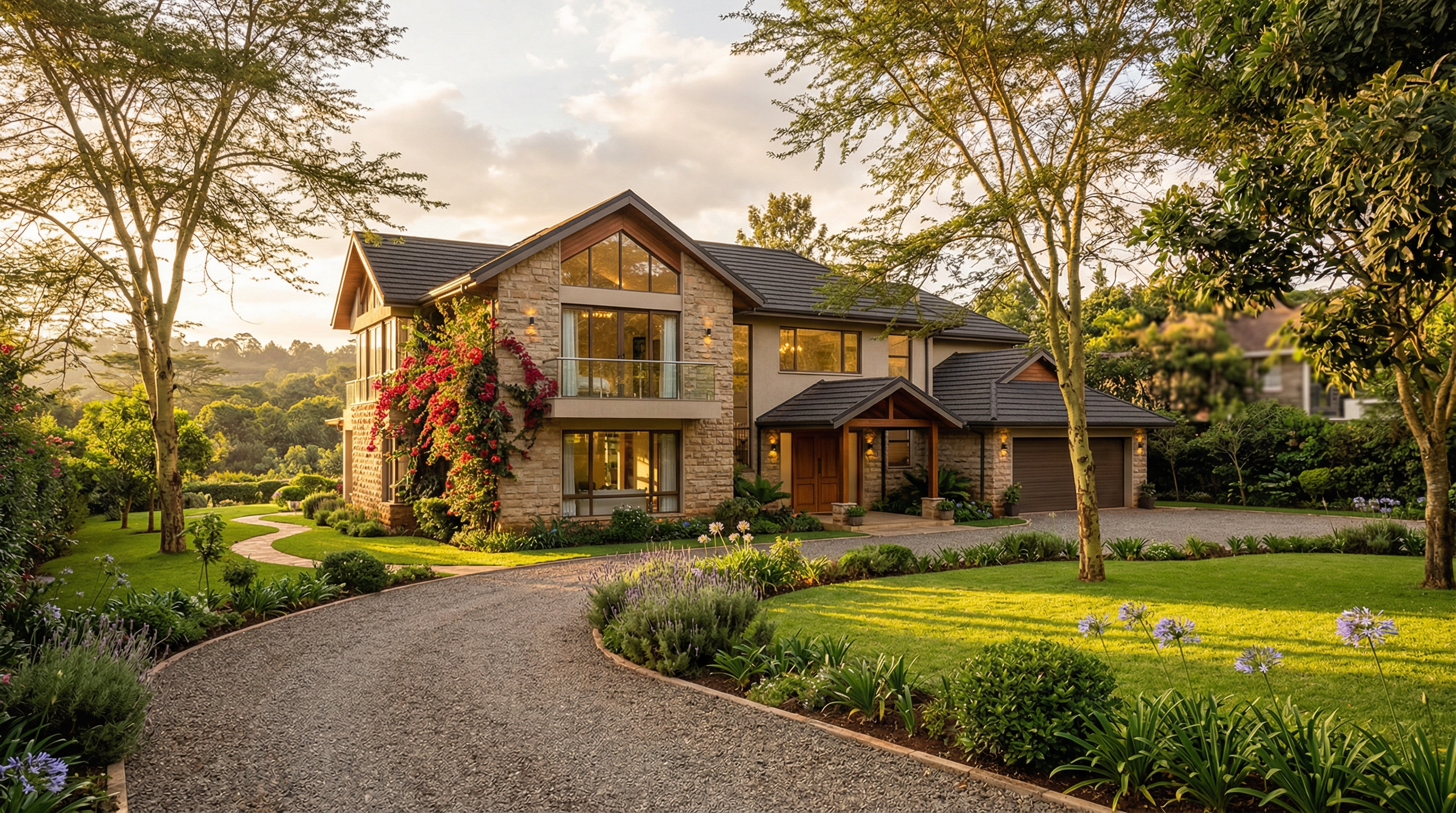
Houses for Sale in Karen: Price Guide 2026
Karen house prices from KES 35M–250M+. 4-bedroom, 5-bedroom, villas. Karen Hardy, Ndege Road, budget breakdown. Updated March 2026.