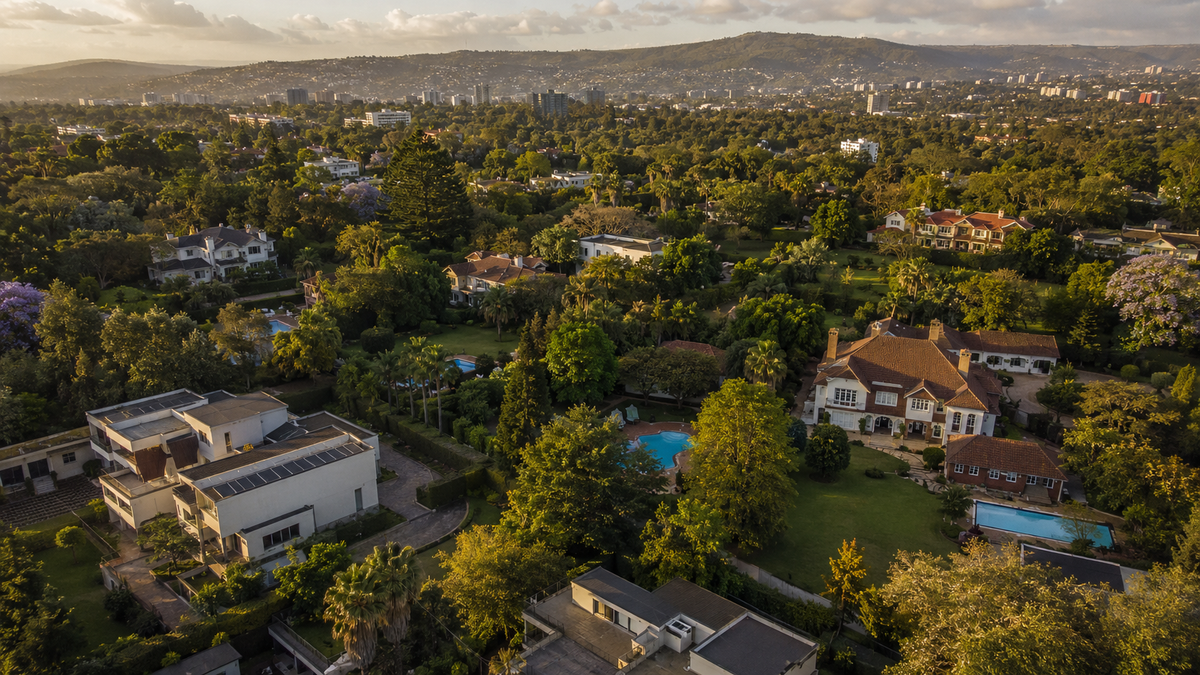
Most Expensive Neighborhoods in Nairobi 2026: Where Premium Property Starts and What It Costs
Nairobi’s 10 priciest suburbs ranked by land per acre. Upper Hill KES 561M, Runda houses from KES 25M–300M+. Apartment correction creates buying window.
Most Expensive Neighborhoods in Nairobi 2026: Where Premium Property Starts and What It Costs
Nairobi's most expensive suburb — Upper Hill — now commands KES 561 million per acre of land. That is more than 30 times the price of an acre in Kitengela. An apartment in Westlands starts at KES 7 million; a mansion in Runda starts at KES 100 million. Kenya's capital contains wildly different property markets separated by a few kilometres of road — and the premium end is where fortunes are preserved, diplomatic tenants pay institutional rents, and a single land transaction can exceed KES half a billion.
This guide ranks Nairobi's most expensive neighborhoods by land price per acre (the most objective comparison), then breaks down what houses, apartments, and rent actually cost in each. Data is sourced from the HassConsult Q1 2026 Land Price Index — the most widely cited benchmark — supplemented by listing data and our own published guides.
The 10 Most Expensive Neighborhoods by Land Price Per Acre
Rank | Neighborhood | Land Per Acre (KES M) | QoQ Change | Primary Market |
|---|---|---|---|---|
1 | Upper Hill | 561.1 | — | Commercial/mixed-use towers |
2 | Westlands | 501.6 | — | Commercial + premium apartments |
3 | Parklands | 469.7 | — | Residential apartments, community-driven |
4 | Kilimani | 437.8 | +1.4% | High-density apartments |
5 | Kileleshwa | 336.2 | +1.6% | Residential apartments |
6 | Nyari | 125.0 | +3.1% | Diplomatic/luxury residential |
7 | Ridgeways | 92.5 | — | Mixed-use residential |
8 | Lang'ata | 90.9 | +2.4% | Residential houses + townhouses |
9 | Karen | 77.0 | +1.3% | Luxury residential houses |
10 | Muthaiga | ~75–100 (est.) | — | Ultra-exclusive residential |
Source: HassConsult Q1 2026 Land Price Index (suburbs 1–9). Muthaiga rarely transacts and is not tracked in the standard index; estimate based on comparable data. Runda/Nyari corridor included as the tracked proxy for Runda-area pricing.
A critical distinction: expensive land does not always mean expensive houses. Upper Hill at KES 561M/acre is dominated by commercial developers building office towers. You cannot buy a house in Upper Hill. The neighborhoods where wealthy Nairobians actually live — Karen, Runda, Muthaiga, Nyari — have lower land prices per acre but far more expensive houses, because the land is developed into sprawling estates rather than high-rise towers.
What Houses Cost in Nairobi's Premium Suburbs
Neighborhood | Typical House Price Range (KES M) | Average | House Type |
|---|---|---|---|
Runda | 25M (townhouse) – 300M+ (mansion) | ~116M | Standalone houses, ambassadorial residences |
Muthaiga | 80M – 400M+ | ~150M+ | Standalone villas, old-money estates |
Karen | 25M (townhouse) – 250M+ (mansion) | ~88M | Standalone houses on large plots |
Nyari | 60M – 200M | ~100M | Diplomatic-grade houses |
Lavington | 35M – 150M | ~70M | Mix of houses and townhouses |
Spring Valley | 40M – 120M | ~65M | Residential houses, some townhouses |
Kitisuru | 30M – 100M | ~55M | Family houses, quieter enclave |
Loresho | 25M – 80M | ~45M | Established residential houses |
Prices from HassConsult, BuyRentKenya, Afriqahome listings, and developer data. Averages are indicative — individual properties vary significantly by plot size, house condition, and specific location within the suburb.
The price leaders are Muthaiga and Runda. Muthaiga is Nairobi's oldest money — the neighbourhood of presidents, industrialists, and inherited wealth. It trades on exclusivity and extreme privacy; new houses rarely come to market, and when they do, prices are non-negotiable. Runda is newer money — diplomatic, corporate, and NGO-driven. Its pricing reflects security infrastructure and the embassy tenant pool. For detailed comparisons, see our Karen vs Runda 2026 guide.
What Apartments Cost in Nairobi's Premium Corridors
Corridor | 2-Bed Apartment (KES M) | 3-Bed Apartment (KES M) | Gross Rental Yield |
|---|---|---|---|
Westlands (premium new-build) | 12M – 18M | 18M – 25M+ | 6.5–9% |
Upper Hill | 12M – 20M | 18M – 30M | 5–7% |
Kilimani | 9M – 14M | 14M – 22M | 5.5–7.5% |
Kileleshwa | 7M – 12M | 10M – 18M | 5–7% |
Parklands | 6M – 14M | 10M – 18M | 5.5–7% |
Lavington | 8M – 15M | 12M – 20M | 5–6% |
A premium Westlands 3-bedroom in a new-build with amenities (pool, gym, concierge, backup power) now competes with small houses in Karen on price — KES 25M buys either. The choice between them is fundamentally a lifestyle decision: high-rise urban convenience versus suburban space and nature. See our Westlands vs Parklands comparison and Kilimani vs Kileleshwa comparison for data-driven guidance.
What Premium Rent Looks Like
Neighborhood | 2-Bed Apartment (KES/mo) | 4-Bed House (KES/mo) | Tenant Profile |
|---|---|---|---|
Runda | 150,000 – 250,000 | 250,000 – 500,000+ | Ambassadors, UN officials, senior corporate |
Muthaiga | N/A (few apartments) | 300,000 – 600,000+ | Ultra-HNW, diplomatic, inherited wealth |
Karen | N/A (few apartments) | 150,000 – 350,000 | Senior expats, upper-income families |
Westlands | 75,000 – 200,000 | N/A (few houses) | Corporate expats, professionals, Airbnb |
Kilimani | 65,000 – 150,000 | N/A | Young professionals, expats |
Lavington | 60,000 – 120,000 | 150,000 – 250,000 | Families, senior professionals |
Spring Valley | N/A | 150,000 – 300,000 | Expats, corporate families |
At the very top of the market — Runda mansions at KES 500,000+/month — tenants are typically embassies renting residences for their ambassadors. These are institutional transactions, not individual tenant decisions. The rent is set by diplomatic housing budgets, not by market negotiation.
Capital Appreciation: Where Premium Property Is Growing (and Where It Is Not)
HassConsult's Q1 2026 data reveals a bifurcated premium market:
Segment | YoY Price Change | What Is Happening |
|---|---|---|
Karen houses | +13.2% | Strongest suburb — supply-constrained, large plots, Southern Bypass effect |
Lavington houses | +12.7% | Second-strongest — central location, family demand |
Spring Valley houses | +4.0% QoQ | Consistent growth, quiet premium enclave |
Runda houses | +0.2–4.3% | Premium bracket stabilised — ambassadorial market does not boom |
Westlands apartments | -7.9% | Oversupply correction — worst-performing apartment market |
Upper Hill apartments | -6.8% | Commercial market slowdown, planning uncertainty |
Lavington apartments | -6.4% | Supply exceeding demand in new builds |
Source: HassConsult Q1 2026 via Business Daily.
The pattern is clear: standalone houses in premium suburbs are appreciating strongly. Apartments in the same suburbs are correcting. The reason is supply — developers have built thousands of new apartment units in Westlands, Upper Hill, and Kilimani over the past 3 years, creating oversupply. Nobody is building new standalone houses in Karen or Lavington because the land is already occupied. Scarcity drives house appreciation; oversupply suppresses apartment values.
For investors, this means 2026 is a better year to buy apartments (discounted) than houses (at peak pricing). For homebuyers who want a house, the appreciation trend means waiting will cost more. See our Kenya Land Prices 2026 for the complete data.
Who Buys in These Neighborhoods
Buyer Profile | Typical Neighborhood | Budget Range |
|---|---|---|
Kenyan ultra-HNW families | Muthaiga, Runda, Karen | KES 100M–400M+ |
Diplomatic missions (ambassador residences) | Runda, Nyari, Muthaiga | KES 150M–300M+ (or rent KES 300K–600K/mo) |
Senior corporate expats | Karen, Runda, Spring Valley, Lavington | KES 50M–150M (or rent KES 200K–400K/mo) |
Upper-income Kenyan families | Karen, Lavington, Loresho, Kitisuru | KES 30M–80M |
Young professionals (apartments) | Kilimani, Westlands, Kileleshwa | KES 7M–18M (or rent KES 50K–150K/mo) |
Diaspora investors | Westlands (apartments), Karen (townhouses) | KES 10M–50M |
For diaspora buyers, the premium apartment market (Westlands, Kilimani) offers the best combination of yield, liquidity, and remote manageability. The house market (Karen, Runda) requires on-ground management and is harder to exit quickly. See our diaspora investment guide for practical guidance.
The Hidden Cost: What It Actually Costs to Live in Premium Nairobi
The purchase price or rent is only the beginning. Premium neighborhoods come with premium running costs that many buyers underestimate:
Cost Item | Premium House (Karen/Runda) | Premium Apartment (Westlands/Kilimani) |
|---|---|---|
Monthly rent or mortgage | KES 200,000 – 500,000 | KES 75,000 – 200,000 |
Service charge / management fee | N/A (but estate levy KES 5,000–15,000) | KES 5,000 – 25,000 |
Security (guards, alarm, CCTV) | KES 15,000 – 40,000 (private + estate) | Included in service charge |
Staff (gardener, housekeeper, guard) | KES 30,000 – 80,000 | KES 0 – 15,000 |
Utilities (KPLC, water, internet) | KES 15,000 – 40,000 | KES 8,000 – 20,000 |
Generator fuel (backup power) | KES 5,000 – 15,000 | Included or KES 3,000 – 8,000 |
Garden and compound maintenance | KES 10,000 – 25,000 | N/A |
Insurance (property + contents) | KES 10,000 – 30,000/month equiv. | KES 3,000 – 8,000/month equiv. |
Total monthly running cost | KES 285,000 – 745,000 | KES 91,000 – 261,000 |
A Runda mansion rented at KES 400,000/month with staff, security, and maintenance costs of KES 200,000+ means a total monthly housing cost approaching KES 600,000. This is why the house market and the apartment market serve genuinely different buyers — it is not just purchase price but total cost of ownership that separates them.
The Honest Downsides of Premium Nairobi
Expensive does not always mean better. Each premium tier has trade-offs:
Ultra-luxury (Muthaiga, Runda): Extreme illiquidity at the top end — KES 200M+ properties can sit unsold for 2 years. Staff management is a full-time job. Social isolation — you live behind walls, not in a community. No walkable amenities.
Premium suburban (Karen, Lavington, Spring Valley): Car-dependent lifestyle. Karen commutes stretch to 60 minutes in peak traffic. Distance from hospitals and entertainment. Power cuts affect larger properties more severely.
Premium apartments (Westlands, Kilimani): Oversupply risk — your KES 18M apartment may be worth less next year if the building next door adds 100 competing units. Noise from construction and traffic. Neighbours above, below, and beside you. Service charge disputes with management companies.
The best neighborhood is not the most expensive one. It is the one that matches your lifestyle, commute, family needs, and financial reality. A KES 12M Kileleshwa apartment that fits your budget perfectly will give you a better quality of life than a KES 20M Westlands apartment that stretches you financially. See our Best Areas to Live in Nairobi for the complete cross-budget comparison.
Frequently Asked Questions
What is the most expensive area in Nairobi for land?
Upper Hill at KES 561.1 million per acre (HassConsult Q1 2026). However, Upper Hill is predominantly commercial — if you mean residential land, Westlands (KES 501.6M/acre), Parklands (KES 469.7M), and Kilimani (KES 437.8M) top the list. For luxury residential where people actually live in houses, the Nyari/Runda corridor at ~KES 125M/acre is the most expensive.
What is the most expensive house in Nairobi?
Individual sales are not publicly disclosed in Kenya, but ambassadorial-grade mansions in Muthaiga and Runda regularly list at KES 300M–400M+. The most expensive residential real estate in Nairobi is in Muthaiga, where properties on 2+ acre plots with mature gardens and historical significance can exceed KES 500M in private transactions.
Are premium Nairobi apartments overpriced in 2026?
In some areas, yes. HassConsult Q1 2026 shows apartment price declines in 10 of 18 tracked suburbs — led by Westlands (-7.9%), Upper Hill (-6.8%), and Lavington (-6.4%). This oversupply-driven correction makes 2026 a rare buying window for apartment investors. Standalone houses, conversely, are at peak prices in most premium suburbs.
Which premium suburb has the best rental yield?
Westlands leads at 6.5–9% gross for unfurnished apartments and up to 14% for furnished/serviced units. Kilimani follows at 5.5–7.5%. Houses in Karen and Runda yield 3–5% gross — lower, but offset by stronger capital appreciation and higher-quality tenants.
Is Karen or Runda a better investment?
Karen has shown stronger recent appreciation (5–8% annually vs Runda's 0.2–4.3%) and has wider buyer liquidity. Runda offers higher rental premiums from diplomatic tenants and stronger security infrastructure. See our full Karen vs Runda comparison for the complete data.
Can diaspora investors buy in Nairobi's premium market?
Yes. There are no restrictions on property ownership by Kenyan citizens living abroad. The main challenges are due diligence (verify titles on Ardhisasa), property management (houses need staff; apartments need a management firm), and currency conversion costs (1–3% on wire transfers). Work with a verified agent and a conveyancing lawyer. Budget 7–11% above purchase price for transfer costs.
Explore Further
Affordable Neighborhoods Nairobi 2026 — the budget counterpart to this guide
Karen vs Runda 2026 | Kilimani vs Kileleshwa 2026 | Westlands vs Parklands 2026
Browse Karen houses → | Browse Westlands apartments → | Browse Runda houses → | Find a verified agent →
Prices from HassConsult Q1 2026, Business Daily, BuyRentKenya, and Afriqahome listings. Ranges are indicative — individual properties vary by condition, specification, and exact location. Afriqahome connects buyers with verified agents — we do not buy, sell, or own property.
Other Guides

Living in Juja, Kiambu: The University Town That Became a Satellite City — Prices, Estates & Honest Guide (2026)
Juja houses from KSh 1.2M, rent from KSh 2.5K. JKUAT area, Kenyatta Road estates, Kalimoni, Witeithie. Student yields 9-15%.
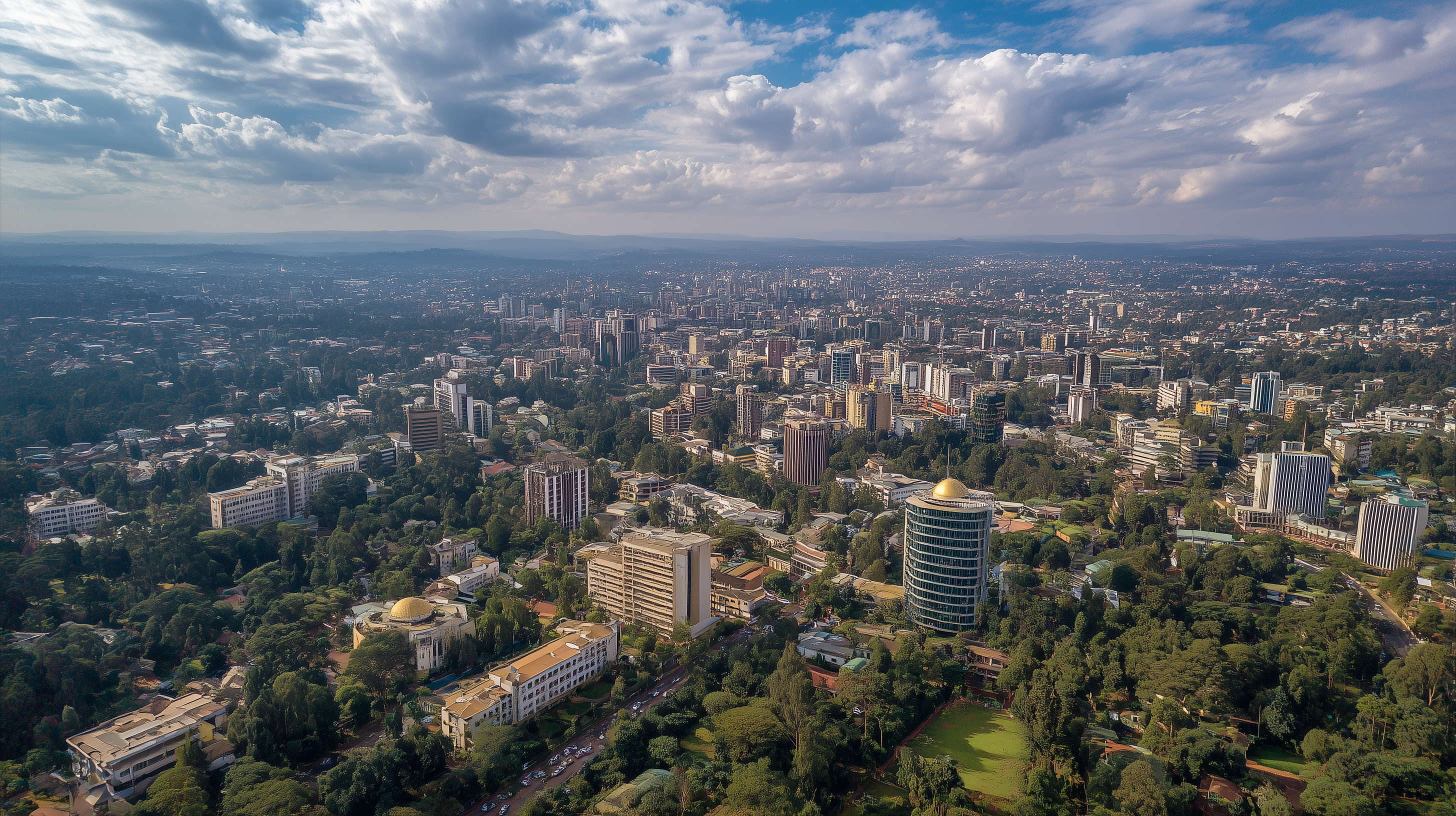
Westlands Property Guide: Prices, Lifestyle & Investment (2026)
Complete guide to Westlands real estate. Apartments from KES 8M, rental yields 6-8%, plus lifestyle amenities. Browse verified Westlands listings today.
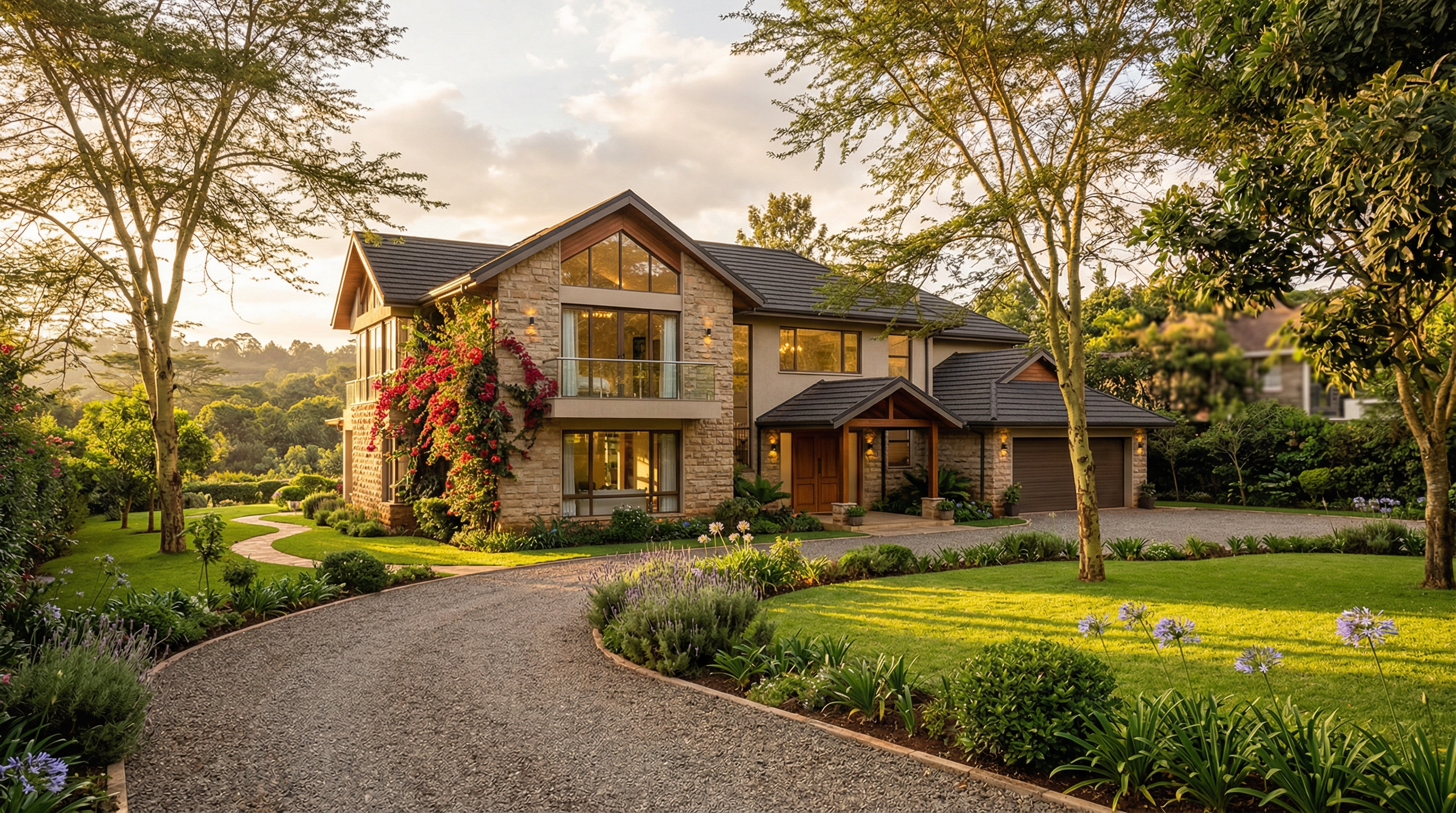
Houses for Sale in Karen: Price Guide 2026
Karen house prices from KES 35M–250M+. 4-bedroom, 5-bedroom, villas. Karen Hardy, Ndege Road, budget breakdown. Updated March 2026.